

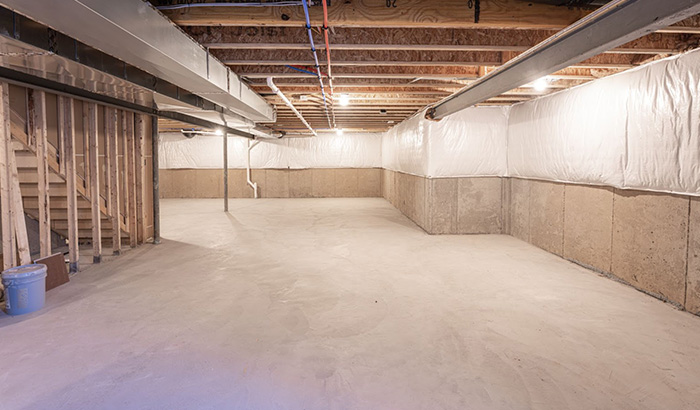
Basements are often overlooked when it comes to home insulation, yet they play a critical role in energy efficiency. Without proper insulation, basements can become a major source of heat loss in winter and heat gain in summer, leading to higher energy bills and an uncomfortable living space.
In this article, we’ll explore how basement insulation saves energy, the best insulation materials for basements, and why investing in proper insulation is a smart move for homeowners. If you’re considering basement insulation, Century Insulation offers professional solutions to help you maximize energy savings!
1. Why Basement Insulation Matters
Many homeowners assume that basements don’t need insulation because they are underground. However, basements are often responsible for significant energy loss due to:
❌ Cold concrete walls that absorb heat from your home.
❌ Air leaks around windows, doors, and foundation cracks.
❌ Moisture buildup that can make your HVAC system work harder.
By properly insulating your basement, you can reduce energy consumption, enhance comfort, and protect your home from moisture-related issues like mold and mildew.
2. How Basement Insulation Saves Energy
A. Prevents Heat Loss in Winter
During cold months, heat naturally escapes through uninsulated basement walls and floors, forcing your heating system to work harder. Proper insulation:
✅ Creates a thermal barrier, preventing heat from escaping.
✅ Keeps floors warmer, making the entire home feel more comfortable.
✅ Reduces strain on your furnace, lowering heating costs.
💡 Energy Savings: A well-insulated basement can reduce heat loss by up to 30%, significantly lowering your heating bills.
B. Reduces Heat Gain in Summer
In hot weather, basements can become stuffy and humid, making your home warmer. Insulation helps by:
✅ Blocking hot outdoor air from entering the basement.
✅ Reducing the need for air conditioning.
✅ Maintaining a cooler, more comfortable indoor temperature.
💡 Energy Savings: Insulating your basement keeps cool air inside, meaning your AC doesn’t have to run as often.
C. Eliminates Cold Drafts and Uneven Temperatures
If your basement feels cold in winter and too hot in summer, poor insulation is likely the cause. Adding insulation:
✅ Prevents cold drafts from rising into upper floors.
✅ Creates a more consistent indoor temperature throughout your home.
✅ Reduces the need to constantly adjust the thermostat.
💡 Comfort Benefit: You’ll eliminate cold floors and chilly rooms, making your home cozier year-round.
D. Reduces Moisture and Prevents Mold Growth
Basements are naturally prone to humidity and moisture, which can lead to mold growth and structural damage. Insulation helps by:
✅ Blocking moisture infiltration from the soil.
✅ Keeping humidity levels lower, preventing mold formation.
✅ Protecting walls and flooring from water damage.
💡 Health Benefit: A dry basement means better air quality, reducing allergy risks from mold and mildew.
3. Best Insulation Materials for Basements
Choosing the right insulation is key to maximizing energy efficiency. Here are the best materials for basement insulation:
A. Spray Foam Insulation
✅ Best For: Walls and rim joists
✅ Why?
✔ Seals gaps and cracks, preventing air leaks.
✔ Acts as a moisture barrier, reducing the risk of mold.
✔ Has a high R-value, providing excellent thermal insulation.
B. Rigid Foam Board Insulation
✅ Best For: Basement walls and floors
✅ Why?
✔ Moisture-resistant, ideal for damp basements.
✔ Easy to install with minimal maintenance.
✔ Provides high insulation value without taking up much space.
C. Fiberglass Insulation (With Vapor Barrier)
✅ Best For: Basement ceilings
✅ Why?
✔ Affordable and widely available.
✔ Good for insulating between floor joists.
✔ Must be installed with a vapor barrier to prevent moisture damage.
D. Mineral Wool Insulation
✅ Best For: Soundproofing and fire resistance
✅ Why?
✔ Excellent thermal and sound insulation.
✔ Naturally resistant to moisture and mold.
✔ Fire-resistant, adding extra safety to your home.
4. How Much Can You Save with Basement Insulation?
Proper basement insulation can lead to significant energy savings. Here’s how much you can expect to save:
💰 Up to 30% reduction in heating costs during winter.
💰 15-20% lower cooling costs in summer.
💰 Long-term ROI, as insulation pays for itself within a few years through energy savings.
5. Additional Benefits of Basement Insulation
Aside from energy savings, insulating your basement offers several other advantages:
✔ Increases Home Value – A well-insulated home is more energy-efficient, making it attractive to buyers.
✔ Creates Additional Living Space – A properly insulated basement is comfortable year-round, making it ideal for extra bedrooms, offices, or entertainment rooms.
✔ Reduces Noise – Insulation helps block outside noise, making your home quieter.
✔ Extends HVAC Lifespan – With less strain on your heating and cooling system, your HVAC equipment lasts longer.
6. Signs Your Basement Needs Better Insulation
If you’re unsure whether your basement needs insulation, look for these warning signs:
🚨 Cold basement walls and floors in winter.
🚨 High heating and cooling bills year-round.
🚨 Musty odors and mold growth due to excess moisture.
🚨 Drafts or cold air leaking into upper floors.
🚨 Condensation on basement walls.
If you notice any of these issues, upgrading your basement insulation can fix the problem and save you money.
Final Thoughts
Proper basement insulation is one of the best investments you can make for your home. It reduces heat loss, prevents moisture buildup, and lowers energy bills, making your home more comfortable and efficient.
💡 Ready to improve your basement’s insulation? Contact Century Insulation for expert spray foam insulation and start saving energy today! ✅