

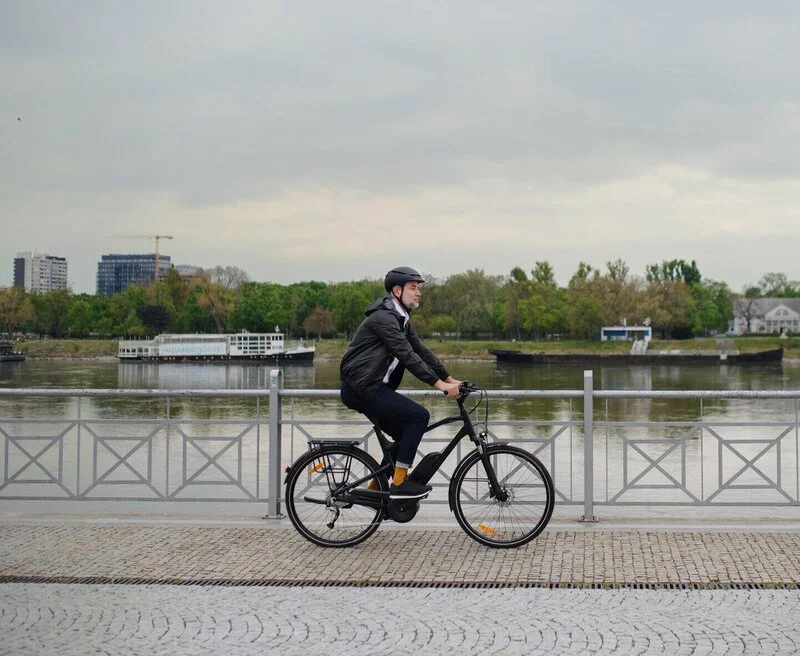
Cycling is becoming more popular in many cities across the U.S. Fort Collins, Colorado, is one of the top cities promoting safe cycling through thoughtful design. If you’re ever involved in a bike crash, speaking with a Fort Collins Personal Injury Lawyer is a smart first step.
How Bike-Friendly Design Changes the Legal Landscape
Cities that prioritize cycling often redesign streets to make them safer and more accessible for bicycles. This includes designated bike lanes, protected intersections, and traffic signals specific to cyclists. These changes can shift how fault is determined in collisions.
Cyclists and drivers must follow defined rules when roads are marked for bike use. If a driver veers into a protected bike lane, liability often leans toward the driver. However, if a cyclist ignores signs or rides the wrong way, that may affect how responsibility is assigned.
Because infrastructure is designed to reduce confusion, legal cases often focus on behavior. Who failed to yield? Who didn’t follow the signals? In Fort Collins, city planning helps clarify these issues.
Fort Collins: A Platinum Bicycle-Friendly Community
Fort Collins is one of only a few cities in the U.S. recognized by the League of American Bicyclists as a Platinum-level Bicycle Friendly Community. The city has demonstrated exceptional commitment to bike infrastructure, safety education, and enforcement. That status influences transportation patterns and the legal expectations placed on everyone using the roads.
With over 280 miles of bike lanes and trails, Fort Collins makes cycling a practical choice for commuting and recreation. Dedicated infrastructure provides cyclists with clear spaces, reducing ambiguity during collisions. Courts may consider the city’s advanced bike-friendly layout when determining if a cyclist or motorist acted unreasonably.
This emphasis on infrastructure raises the bar for responsible conduct. If the city provides clear and safe bike routes, ignoring them may harm a party’s credibility in a legal dispute. Judges and juries can reasonably expect more caution from both cyclists and drivers.
Vision Zero And Its Impact On Liability
Fort Collins has also adopted a Vision Zero Action Plan to eliminate traffic deaths and serious injuries. Vision Zero focuses on safer design, education, and enforcement, which directly impact how legal responsibility is evaluated.
A city committed to reducing collisions often uses data to redesign problem intersections or improve signage. If an accident occurs at an intersection that has been flagged and enhanced, the burden may shift toward the individuals involved. The city has done its part, and drivers and cyclists are expected to do theirs.
However, if the city failed to address known danger zones, that could open the door for municipal liability. Plaintiffs may argue that a design flaw contributed to the crash, especially if previous incidents occurred at the same location. Each case depends on the specifics, but the city’s role can’t be ignored.
Education And Public Expectations
A significant part of Fort Collins’ bike-friendly approach is public education. Programs like the “Bicycle Friendly Driver” course teach motorists how to share the road. These programs are essential because they raise awareness and set a higher standard for road behavior.
This public outreach becomes relevant in legal cases. If a driver has taken a safety course, they may be held to a higher level of awareness. Similarly, if a cyclist ignored local safety rules or acted unpredictably, it can influence the outcome of a case.
Education helps define what’s considered “reasonable” behavior. And in personal injury law, reasonableness is often at the heart of determining fault. Therefore, Fort Collins’ efforts may help courts establish clearer benchmarks for expected conduct.
What This Means For Cyclists And Drivers
In cities like Fort Collins, bike-friendly design increases both opportunity and accountability. With better infrastructure comes a greater duty to follow the rules. Drivers can no longer claim they didn’t expect bikes in certain areas, and cyclists can’t claim confusion about where they belong.
This also affects insurance claims and court rulings. When roads are designed for shared use, behavior that strays from those designs is more likely to be considered negligent. This can affect settlements, liability percentages, and damages awarded.
Being in a bike-forward city means being in a higher-responsibility environment. This applies to everyone who uses the roads, not just cyclists.
Conclusion
Bike-friendly cities like Fort Collins aim to reduce accidents through innovative design and education. These efforts also influence how liability is determined when accidents do happen. A Fort Collins Personal Injury Lawyer can help you understand your rights and responsibilities if you’re involved in a bicycle collision.