

Introduction
Panic attacks can feel terrifying. Your heart races, your chest tightens, breathing becomes shallow, and it feels like you’re losing control. These episodes often strike without warning, leaving people feeling helpless and exhausted.
If you’ve ever experienced a panic attack—or supported someone who has—you know how overwhelming it can be. While panic attacks are deeply uncomfortable, there are tools that can help manage them in the moment. One of the most effective and accessible tools is something we do every day without thinking: breathing.
In this article, we’ll explore how breathing exercises help during panic attacks, why they work, and how to practice them—even before a panic attack starts.
What Is a Panic Attack?
A panic attack is a sudden and intense surge of fear or anxiety. It usually lasts a few minutes, though it can feel much longer. Common symptoms include:
– Rapid heartbeat
– Shortness of breath
– Chest pain
– Dizziness or lightheadedness
– Sweating or chills
– Feeling detached from reality (derealization or depersonalization)
– A fear of dying or losing control
According to the Anxiety & Depression Association of America (ADAA), about 2–3% of Americans experience panic disorder, and many more experience occasional panic attacks (ADAA, 2022).
While panic attacks are not dangerous, they are incredibly distressing. That’s why having simple coping tools—like breathing techniques—can be a lifesaver.
Why Breathing Matters During a Panic Attack
When we feel threatened—whether from a real danger or internal fear—our bodies activate the “fight or flight” response. This response increases heart rate and breathing to prepare us to act quickly. But during a panic attack, the body overreacts, even when there’s no real danger.
Breathing becomes fast and shallow, which lowers carbon dioxide (CO₂) levels in the blood. This imbalance can make symptoms worse, leading to dizziness, numbness, or a sense of choking.
By slowing and deepening your breath, you can:
– Rebalance oxygen and CO₂ levels
– Calm your nervous system
– Reduce physical symptoms like chest tightness and lightheadedness
– Signal to your brain that you are safe
Controlled breathing is like hitting a “reset” button for your body and mind.
Best Breathing Exercises for Panic Attacks
Here are a few simple, science-backed breathing techniques that can help you manage panic attacks or even prevent them when practiced regularly.
1. Box Breathing (Square Breathing)
How it works:
– Inhale through your nose for 4 seconds
– Hold your breath for 4 seconds
– Exhale through your mouth for 4 seconds
– Hold your breath for 4 seconds
– Repeat for 4–5 cycles
Box breathing helps regulate your breath, calm your nervous system, and bring focus back to the present moment. It’s used by athletes, military personnel, and even therapists to reduce stress.
2. 4-7-8 Breathing
Developed by Dr. Andrew Weil, this technique is known to relax the body quickly.
How it works:
– Inhale through your nose for 4 seconds
– Hold your breath for 7 seconds
– Exhale slowly through your mouth for 8 seconds
– Repeat up to four times
This exercise activates the parasympathetic nervous system, which is responsible for rest and relaxation.
3. Belly Breathing (Diaphragmatic Breathing)
During a panic attack, people tend to breathe from their chest. Belly breathing encourages deeper, slower breaths.
How to practice:
– Sit or lie down comfortably
– Place one hand on your chest and one on your belly
– Inhale slowly through your nose. Let your belly rise (not your chest)
– Exhale through your mouth, feeling your belly fall
– Repeat for several minutes
This technique is especially helpful for grounding yourself during high-stress moments.
Practicing Before the Panic
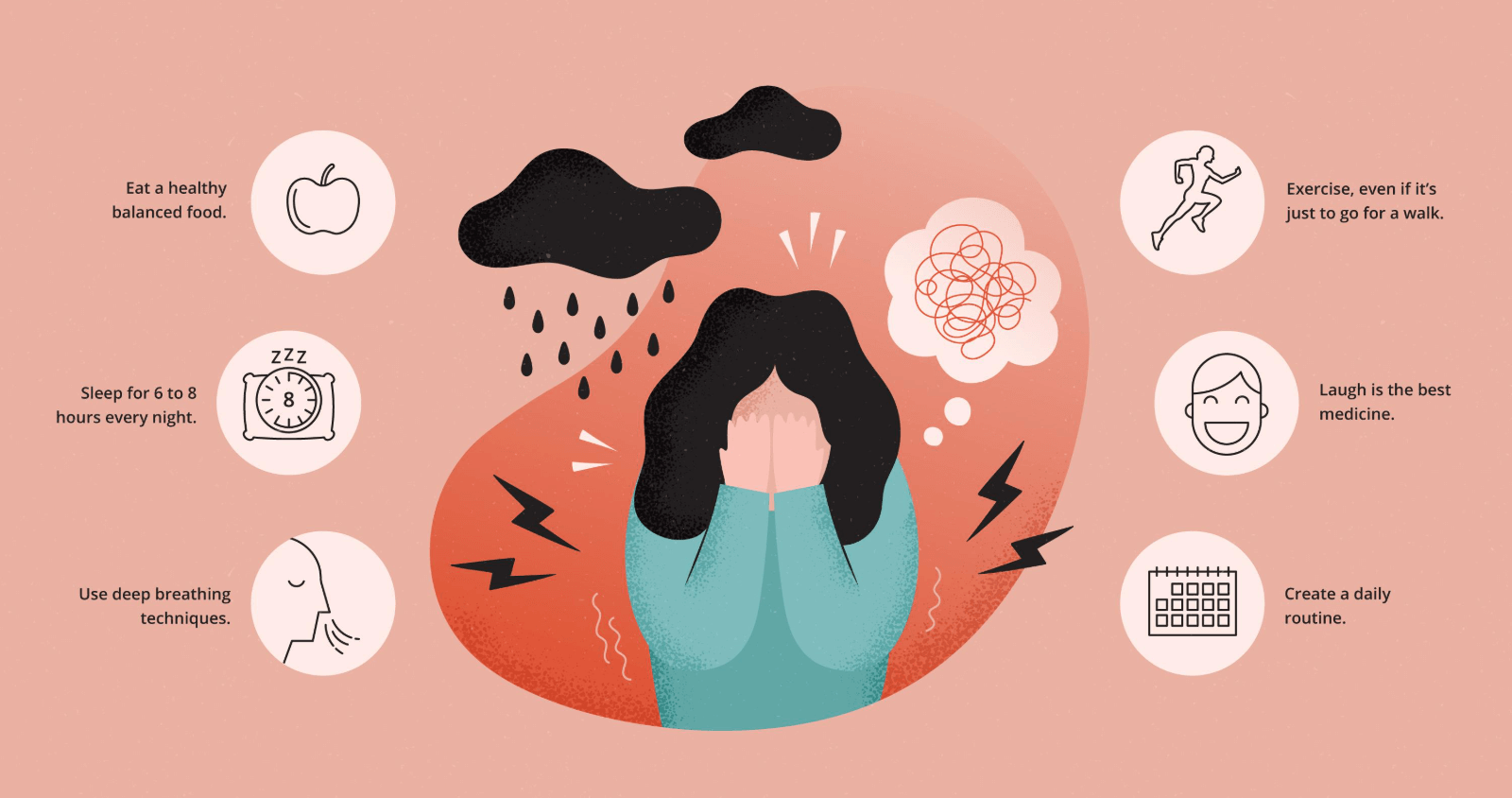
Breathing exercises are most effective when you practice them regularly, not just during a panic attack. Think of it like training your mind and body to respond more calmly under pressure.
Try incorporating 5–10 minutes of deep breathing into your daily routine:
– First thing in the morning
– During a lunch break
– Before bed
– When transitioning between tasks
The more you practice, the more natural these techniques will feel when you need them most.
Additional Tips for Managing Panic Attacks
While breathing is a key tool, it can be combined with other strategies:
– Grounding exercises (like the 5-4-3-2-1 method)
– Reassuring self-talk (“This will pass. I’m safe. I’ve gotten through this before.”)
– Progressive muscle relaxation
– Avoiding caffeine and alcohol, which can trigger anxiety
If panic attacks are frequent or interfering with your life, consider reaching out to a therapist or mental health professional. Cognitive Behavioral Therapy (CBT) is one of the most effective treatments for panic disorder.
Final Thoughts
Panic attacks can feel overwhelming, but you are not powerless. Your breath is always with you—and learning to use it mindfully can give you back a sense of control when everything feels out of control.
With regular practice, breathing exercises not only help manage panic attacks but also support overall emotional balance, focus, and resilience. They’re simple, free, and available anytime, anywhere.
You are not alone. You can breathe through this—and come out stronger on the other side.
References:
– Anxiety & Depression Association of America (ADAA). (2022). Understanding the Facts of Anxiety Disorders. [https://adaa.org](https://adaa.org)
– Weil, A. (n.d.). 4-7-8 Breathing: How It Works and Why It Helps.
[https://www.drweil.com](https://www.drweil.com)
– National Institute of Mental Health. (2023). Panic Disorder.
[https://www.nimh.nih.gov](https://www.nimh.nih.gov)