

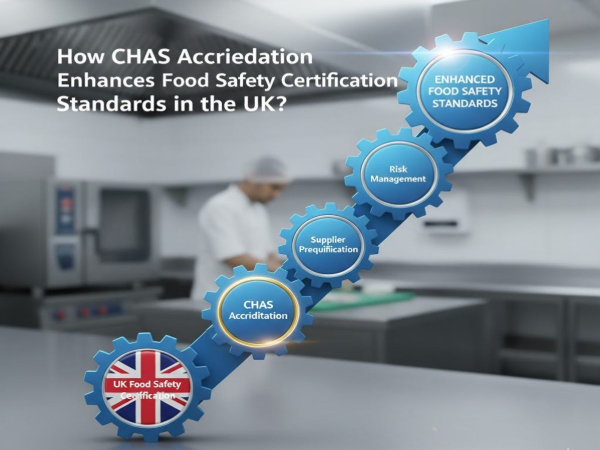
Food safety forms a vital pillar of public health in the United Kingdom, supported by rigorous hygiene and safety protocols that protect consumers. The Contractors Health and Safety Assessment Scheme (CHAS) strengthens these standards by ensuring food businesses comply with national regulations and maintain safe working environments. Through its accreditation, CHAS promotes operational excellence, accountability, and confidence across the food supply chain. This article will explore how CHAS accreditation enhances food safety and workplace compliance in the UK.
What is CHAS Accreditation?
CHAS accreditation provides a trusted standard for evaluating health and safety practices in the food industry. It ensures workplaces, equipment, and procedures meet strict hygiene and safety requirements. Accredited businesses show compliance with legal obligations and a commitment to continuous improvement. This recognition strengthens trust among employees, regulators, and partners.
In the food sector, chas accreditation promotes consistent safety and operational excellence. Regular assessments help companies stay aligned with evolving safety and hygiene regulations. By earning accreditation, food businesses demonstrate dedication to protecting workers and consumers. This structured approach enhances overall food quality and industry credibility.
Connection to Food Safety
Food safety certification focuses on hygiene, risk prevention, and traceability at every stage of production. CHAS accreditation supports these priorities by addressing the operational conditions under which food is processed and handled. A safe workplace contributes directly to the cleanliness and control required for food protection. Thus, the connection between CHAS and food safety certification becomes both practical and essential.
While traditional food certifications like HACCP and ISO 22000 emphasize hazard analysis, CHAS ensures the surrounding infrastructure supports these efforts. Proper staff training, maintenance, and compliance reduce the potential for contamination or error. This dual framework strengthens confidence among auditors and regulators. In turn, it ensures that certified food businesses maintain consistent safety and hygiene performance throughout their operations.
Raising Standards
CHAS accreditation plays a key role in raising safety expectations beyond minimal legal requirements. It encourages food organizations to adopt advanced safety procedures that cover every area of their facilities. These include cleanroom practices, machine safety checks, and employee protection measures. Together, these efforts help eliminate common causes of workplace and foodborne incidents.
By maintaining higher safety standards, accredited companies build resilience against inspection failures or customer complaints. Their operations remain organized, well-documented, and audit-ready. CHAS pushes companies to view food safety as part of an integrated system rather than a single certification task. This cultural shift leads to more consistent performance and improved compliance across departments.
Compliance Assurance
Legal compliance forms the backbone of every food safety program. CHAS accreditation ensures that companies continually meet UK safety regulations through structured documentation and verification. This system prevents oversight in areas such as sanitation, waste management, and emergency response. By maintaining compliance, food businesses safeguard both employees and consumers from health risks.
The accreditation process involves ongoing review to confirm that policies remain current with government updates. This approach minimizes exposure to penalties or reputational harm. It also gives certified organizations a competitive advantage when bidding for contracts that require verified safety credentials. With CHAS in place, companies can confidently demonstrate compliance to auditors, inspectors, and clients.
Workplace Safety
In food manufacturing and distribution, unsafe environments can easily compromise product quality. CHAS accreditation ensures that the working conditions supporting food production are properly controlled and hazard-free. This includes safe equipment operation, protective gear, and hygienic work areas. As a result, employees can perform their tasks efficiently without risking contamination or injury.
A strong safety culture directly benefits food integrity by preventing accidents that could introduce harmful substances into production areas. When staff feel secure, they work more carefully and follow hygiene protocols consistently. This reduces downtime from incidents and maintains continuous, clean operations. Ultimately, safer workplaces translate into safer food for the public.
Consumer Confidence
Consumers rely heavily on visible indicators of safety and reliability when purchasing food. CHAS accreditation gives companies a strong advantage by signaling their adherence to verified safety standards. It provides reassurance that every product has been handled in secure, compliant conditions. This visible trust factor enhances brand reputation and customer loyalty.
In competitive markets, such assurance differentiates responsible producers from those who rely solely on basic certification. The CHAS mark communicates a deeper level of care for public health. By upholding these standards, food companies strengthen relationships with clients, distributors, and consumers alike. Trust becomes a tangible part of their brand identity and long-term success.
Supplier Reliability
The food industry depends on complex supply chains involving multiple contractors and suppliers. CHAS accreditation simplifies collaboration by ensuring that every partner meets the same safety expectations. This shared framework creates uniform standards for hygiene, transport, and logistics. It eliminates weak links that could compromise food safety downstream.
Reliable suppliers reduce administrative burdens by minimizing the need for repeated safety checks. Businesses can trust that all accredited partners operate within approved guidelines. This consistency improves efficiency, reduces risk, and supports compliance with food certification audits. As a result, CHAS-accredited suppliers become valuable contributors to an integrated and transparent food system.
Risk Reduction
Every stage of food production involves potential hazards that must be managed carefully. CHAS accreditation reduces these risks through structured assessment, reporting, and preventive actions. It ensures that safety issues are identified early and addressed before affecting product integrity. This proactive approach protects both the workforce and the final consumer.
Accredited businesses benefit from improved awareness of their operational risks. Routine reviews encourage timely upgrades to equipment and facilities. In turn, these actions reduce accidents and contamination incidents. The result is a more dependable, compliant, and efficient organization capable of maintaining consistent food quality and safety performance.
Audit Readiness
Audits are an essential part of food safety certification, ensuring that companies adhere to standards continuously. CHAS accreditation simplifies audit preparation by requiring detailed safety documentation and performance records. These records demonstrate compliance to auditors, reducing stress and delays during inspections. With organized evidence, companies can achieve quicker approval results.
Audit readiness also means fewer interruptions to production. Since CHAS-accredited businesses already maintain continuous safety monitoring, they can pass audits with minimal disruption. This preparedness enhances credibility and builds confidence with regulators and clients. In the long term, consistent audit success contributes to stronger reputations and smoother certification renewals.
Employee Training
Employee awareness is one of the strongest defenses against food contamination. CHAS accreditation mandates regular safety training that covers hygiene, machinery operation, and hazard response. This equips staff with the knowledge to handle products responsibly and maintain a clean environment. Skilled employees become active participants in upholding certification standards.
When training becomes part of daily practice, mistakes and unsafe behaviors decrease dramatically. Workers understand their responsibilities and follow proper procedures automatically. Continuous learning also keeps teams updated with new laws and best practices. Over time, this culture of competence strengthens both workplace safety and overall food quality assurance.
Operational Efficiency
Beyond safety benefits, chas accreditation contributes to greater operational efficiency. Well-maintained facilities and trained staff reduce downtime caused by accidents or inspection failures. Efficient operations allow companies to meet deadlines and maintain consistent product flow. This reliability supports profitability while upholding food safety commitments.
When processes run smoothly, waste decreases, and quality control improves. These operational gains extend throughout the supply chain, benefiting partners and customers alike. CHAS helps businesses achieve a balance between compliance and productivity. In doing so, it proves that safety and efficiency can coexist within a competitive food production environment.
Cost Benefits
Achieving and maintaining chas accreditation can lead to significant cost savings over time. Safer workplaces experience fewer accidents, which lowers insurance and compensation expenses. Efficient safety management reduces losses from spoiled goods or halted production. These financial benefits contribute directly to stronger business sustainability.
Furthermore, accredited companies often gain access to new contracts requiring verified safety credentials. This expanded market reach offsets initial accreditation costs. By reducing operational risks and improving reputation, CHAS helps businesses achieve both economic and ethical success. The long-term return on investment makes accreditation a valuable strategic asset.
Industry Consistency
The UK food sector benefits from uniformity in safety practices and accountability. CHAS accreditation promotes consistency by applying clear, measurable standards across all participating organizations. From small caterers to major manufacturers, every business follows the same safety framework. This equality strengthens overall industry credibility and consumer protection.
Consistent practices also simplify regulatory oversight and public trust. Authorities can rely on CHAS documentation as evidence of compliance, reducing administrative burdens. For businesses, this alignment enhances communication and efficiency. As more companies adopt CHAS, the industry moves toward greater transparency and collective safety excellence.
Why Trust Compliancy Group?
Compliancy Group is a recognized leader in CHAS accreditation and construction compliance throughout the UK. With unmatched industry experience, the firm helps organizations achieve certification quickly and efficiently. Its guidance ensures that all documentation, safety policies, and training meet official standards. This expert support simplifies complex compliance processes for food and construction businesses alike through their team of chas accreditation consultants.
Partnering with Compliancy Group gives companies a structured, tailored approach that aligns safety goals with overall business objectives. Their consultants provide ongoing updates on changing regulations and audit requirements. This proactive support helps organizations maintain long-term compliance and readiness. With proven reliability and precision, the firm remains a trusted partner in achieving CHAS excellence.
Conclusion
CHAS accreditation is more than a compliance symbol; it represents a cultural shift toward safer, cleaner, and more transparent food production. By aligning occupational safety with food certification, it strengthens the UK’s reputation for quality and integrity. Accredited organizations demonstrate that protecting people and maintaining food safety go hand in hand.
Through continuous improvement, training, and accountability, CHAS ensures that food businesses operate responsibly at every level. The result is a stronger, safer, and more sustainable food industry capable of meeting global standards. As public expectations rise, chas accreditation will remain vital to ensuring lasting trust, regulatory confidence, and the consistent delivery of safe, high-quality food.