

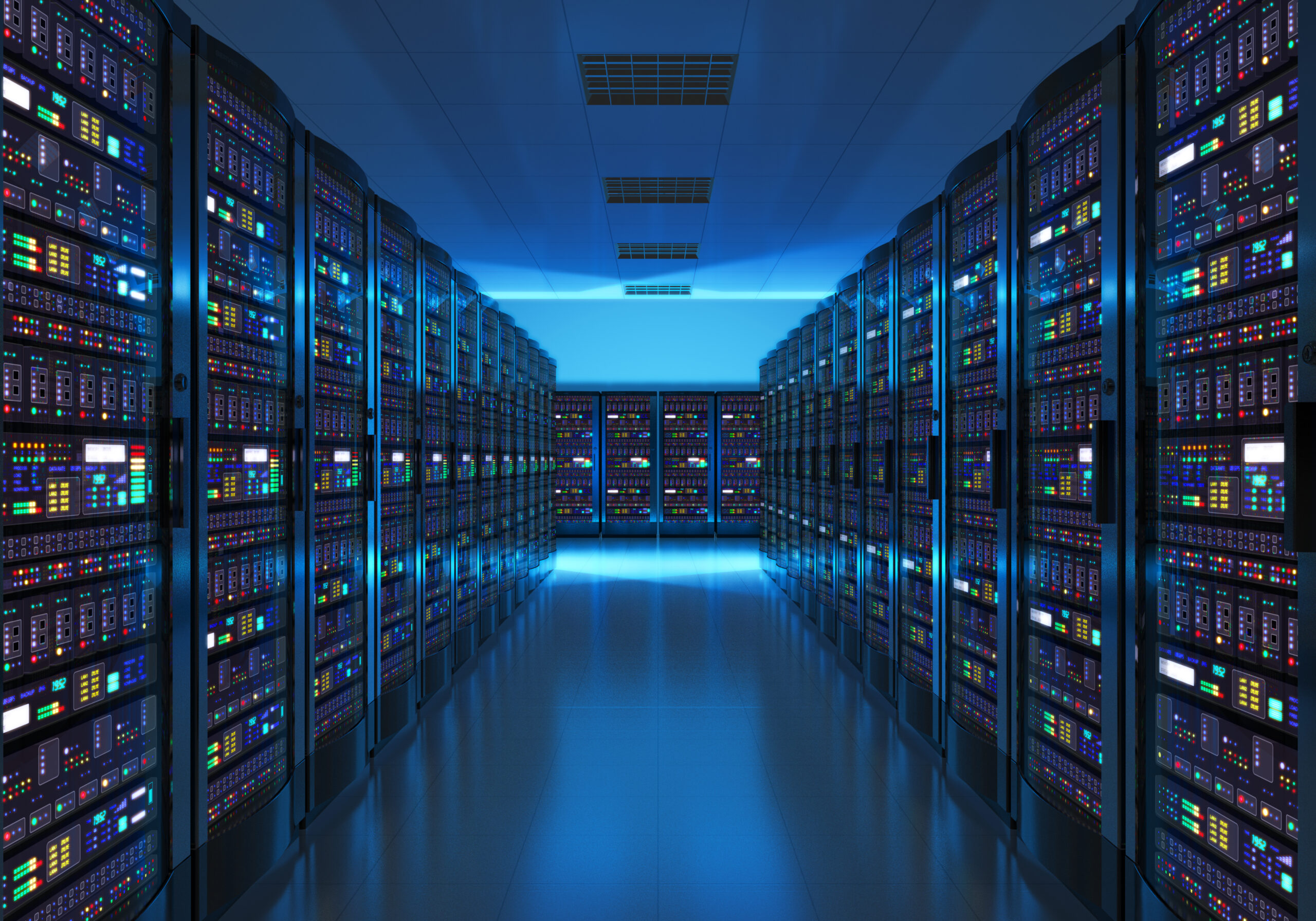
Data centers are the backbone of modern technology, housing the servers that fuel everything from online shopping to cloud computing. But have you wondered how these servers remain safe, organized, and efficient in such environments? This is where Data Center Racks come into play.
Designed to securely hold and protect servers, data center racks are essential components of any well-functioning data center. They not only keep things organized but also ensure maximum performance and safety for your critical IT equipment.
In this article, we’ll explore why data center racks are a must-have, what features make them effective, and how they contribute to seamless operations in data centers. Whether you’re setting up a new data center or upgrading an existing one, understanding the role of data center racks offers valuable insights for making better choices.
Why Data Center Racks Are Important?
Data center racks are not just metal enclosures; they are highly engineered structures built to house servers and other IT hardware. Without proper racks, the efficiency of servers and the infrastructure as a whole could be compromised. Here’s why they are essential:
Physical Protection
Servers are delicate pieces of equipment. Data center racks shield them from physical damage, such as accidental bumps or mishandling. These racks are typically made from durable materials like steel or aluminum to withstand heavy loads and protect against wear and tear.
Organization and Accessibility
Imagine trying to manage hundreds of servers stacked haphazardly on top of each other. It’s not just inefficient; it’s chaotic. Racks impose order by organizing servers in a systematic manner. With defined slots and accessible layouts, IT teams can easily identify, install, or replace components.
Improved Cooling and Airflow
Overheating is one of the biggest threats to server performance. Proper racks are designed with optimized airflow systems to prevent overheating. By managing the flow of cool air and exhausting heat effectively, racks reduce the risk of server failures caused by temperature issues.
Scalability and Customization
As businesses grow, so do their IT needs. Racks that support scalability allow for more servers to be added without requiring disruptive changes. Customizable racks enable data centers to accommodate various server sizes and configurations, creating a future-ready setup.
Key Features of Effective Data Center Racks
When choosing data center racks, certain features should be non-negotiable. Here’s a closer look at what defines a high-quality rack:
1. Durability and Security
Data center racks must be sturdy enough to hold heavy servers while maintaining structural integrity over time. Look for racks made from industrial-grade materials like steel to ensure long-term durability. Security features, such as lockable panels and tamper-proof designs, also protect your equipment from unauthorized access.
2. Efficient Cable Management
Messy cables are more than just unsightly; they can interfere with equipment performance and complicate troubleshooting efforts. High-quality racks are equipped with efficient cable management systems, including routing channels, clips, and Velcro straps, to keep everything neat and organized.
3. Ventilation and Cooling Support
Cooling is crucial in any data center. Advanced racks prioritize airflow with perforated doors, side panels, and intelligent designs that promote ventilation. For larger setups, compatibility with liquid cooling systems or enhanced thermal management features can be a game-changer.
4. Modularity and Flexibility
No two data centers are alike, and IT needs evolve over time. Modular racks offer the flexibility to adjust their size, layout, or configuration according to changing requirements. This is particularly useful for businesses planning to expand their infrastructure in the future.
5. Ease of Maintenance
Features like 180-degree door openings and removable panels make it easier for technicians to access the servers. Some racks even include sliding rails or pull-out trays to facilitate maintenance without disrupting surrounding equipment.
How Data Center Racks Contribute to Operational Efficiency?
Beyond protection and organization, data center racks play a direct role in streamlining operations. Here’s how they contribute to the overall functionality and efficiency of a data center:
Optimized Space Utilization
Modern data centers operate in confined spaces where every square inch matters. Vertical racks allow servers to be stacked efficiently, maximizing space while leaving room for cables, cooling systems, and future upgrades. By optimizing the use of available real estate, racks contribute to cost savings without compromising performance.
Enhanced Safety Standards
Safety is a critical consideration in environments managing sensitive data. Racks ensure that heavy equipment is securely anchored, preventing hazards like toppling or disconnections. Additionally, lockable rack designs improve physical security, ensuring that only authorized personnel can access your systems.
Reduced Downtime
Organized racks reduce the risk of errors during maintenance or upgrades. With clear layouts and accessible components, technicians can quickly identify and resolve issues. Better airflow management also reduces the likelihood of equipment failures caused by overheating, contributing to higher uptime and reliability.
Energy Efficiency
Well-designed data center racks support energy-efficient cooling strategies, such as hot and cold aisle containment. By directing airflow in a targeted manner, these racks reduce the workload on cooling systems, thereby lowering power consumption and operating costs.
Future Trends in Data Center Racks
With the ongoing evolution of technology, data center racks are also advancing to meet new demands. Here are some trends worth keeping an eye on:
- Integration with Edge Computing: Edge computing, which involves processing data closer to the source, is growing rapidly. Data center racks are adapting to integrate edge devices seamlessly while maintaining the same level of protection and performance.
- Smart Racks with IoT Features: Future-ready racks are being equipped with IoT sensors for real-time monitoring of temperature, humidity, and power usage. These smart racks provide valuable data to optimize the performance of data centers and reduce energy costs.
- Sustainability Focus: Modern racks are being designed with eco-friendly materials and energy-efficient features to support sustainable data center initiatives. These green racks cater to businesses looking to minimize their environmental impact.
- Greater Customization Options: Manufacturers are offering more customization options, ensuring racks can cater to a wide variety of server sizes, power requirements, and organizational preferences.
Final Thoughts
Investing in the right Data Center Racks is more than just a logistical decision; it’s a crucial part of safeguarding and optimizing your IT infrastructure. By offering physical protection, efficient cooling, and seamless organization, these racks ensure that servers can perform at their best while reducing risks and operating costs.
From durable materials to modular designs, racks are built to adapt to the dynamic demands of modern data centers. Whether your business is managing a small server room or a large-scale data center, understanding the importance of choosing the right racks will set the foundation for reliable and future-proof operations.