

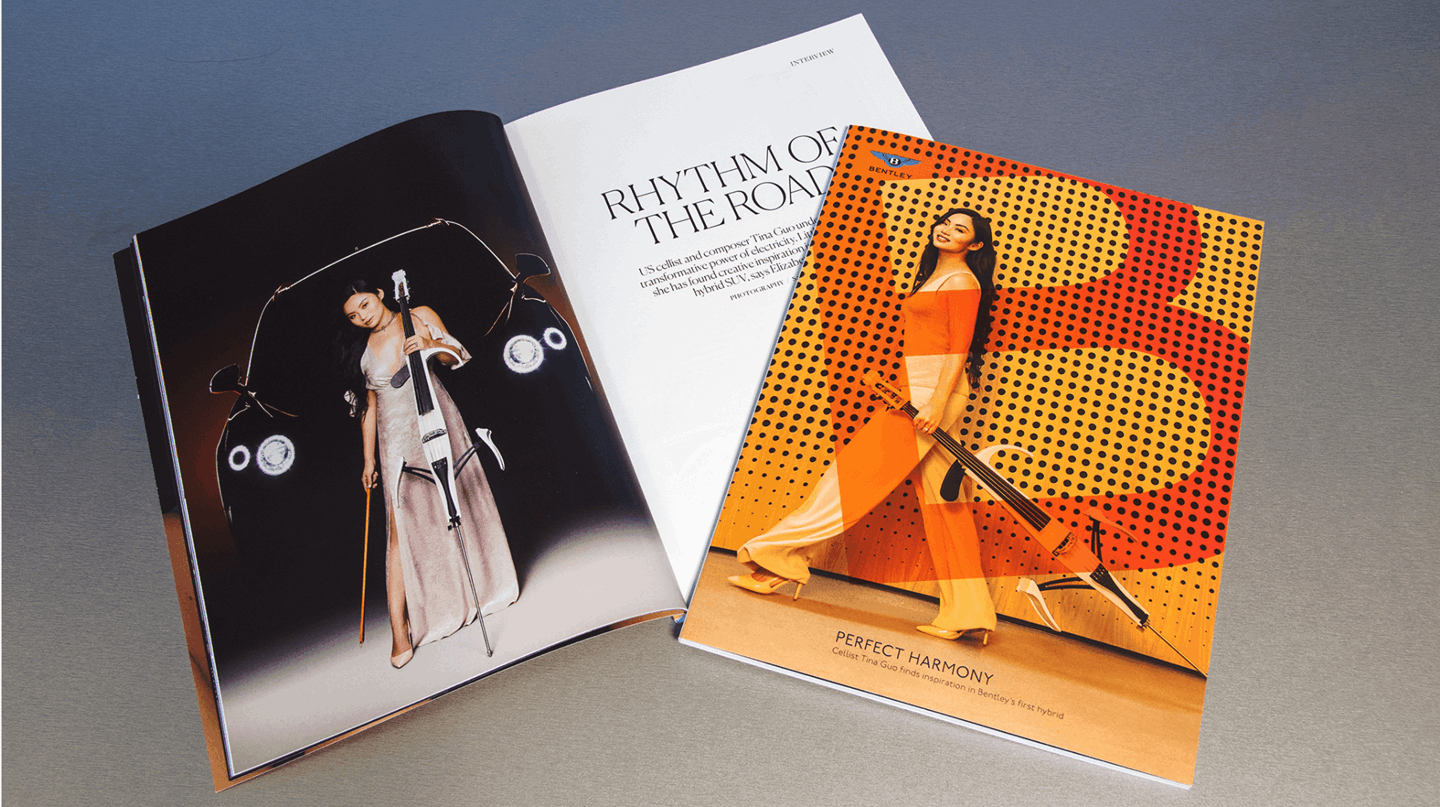
The world of luxury advertising has traditionally been the realm of glossy print magazines, opulent billboards, and exclusive events. For decades, luxury brands relied on high-end print publications like Vogue, Harper’s Bazaar, and GQ to position their products as symbols of prestige and exclusivity. However, the digital revolution has transformed this landscape, and digital magazines are now rewriting the rules of luxury advertising. These new platforms blend innovation, interactivity, and personalization to create immersive experiences that resonate with today’s affluent and digitally savvy consumers.
In this article, we will explore how digital magazines have reshaped luxury advertising by redefining storytelling, enhancing audience engagement, integrating e-commerce, and embracing sustainability—all while maintaining the allure and exclusivity that define the luxury sector. Start your knowledge journey on Buddy Magazine
The Digital Shift in Luxury Advertising
The luxury market has seen a rapid digital transformation driven by changing consumer behaviors, particularly among younger generations. Millennials and Gen Z consumers, who represent a growing share of luxury buyers, expect seamless digital experiences alongside the traditional hallmarks of luxury. They seek authenticity, personalization, and meaningful brand stories delivered through engaging digital content.
Digital magazines cater to these expectations by combining editorial excellence with cutting-edge technology. They offer a dynamic platform for luxury brands to showcase craftsmanship, heritage, and innovation in ways that print cannot match.
Storytelling Elevated: Immersive and Interactive Content
Luxury advertising is no longer about static images or one-dimensional slogans. Digital magazines elevate storytelling by using immersive multimedia formats—videos, 360-degree product views, virtual reality (VR) experiences, and interactive lookbooks. This approach allows luxury brands to convey the craftsmanship, heritage, and artistry behind their products in compelling and memorable ways.
For example, a digital magazine may feature a video series documenting the making of a bespoke watch or an interactive tour of a luxury fashion house’s atelier. These rich narratives build emotional connections, transporting consumers into the brand’s world and fostering deeper appreciation.
Personalization: Tailoring the Luxury Experience
One of the defining advantages of digital magazines is their ability to deliver personalized content. Leveraging data analytics and artificial intelligence, digital platforms curate articles, advertisements, and product recommendations tailored to individual preferences and browsing behaviors.
This personalized approach aligns with the luxury market’s emphasis on exclusivity and bespoke service. Consumers feel valued when brands anticipate their tastes and interests, which strengthens loyalty and drives sales. Digital magazines often offer customizable newsletters, personalized landing pages, and exclusive online events that heighten this sense of privilege.
Seamless Integration of E-Commerce
Digital magazines blur the lines between inspiration and purchase. Unlike traditional print, which required consumers to visit stores or call sales representatives, digital magazines integrate shoppable content directly within editorial pages.
Readers can click on featured products to view detailed information, explore complementary items, and make purchases without leaving the platform. This seamless integration accelerates the customer journey, increasing conversion rates and enhancing convenience—a critical factor for busy luxury consumers.
Additionally, digital magazines may offer virtual personal shopping services, AI-powered style assistants, or augmented reality (AR) try-ons, further enhancing the shopping experience. You’ll love the fresh content on Boring Magazine
Expanding Reach While Preserving Exclusivity
A paradox in luxury advertising is balancing wide reach with exclusivity. Digital magazines navigate this by creating tiered access to content. Some features, such as behind-the-scenes footage or limited-edition product launches, are gated for subscribers or loyal customers.
Exclusive virtual events, private chat sessions with designers, and early access sales are examples of how digital magazines foster exclusivity online. These experiences reward brand advocates while attracting new consumers who aspire to be part of the luxury community.
Sustainability and Ethical Storytelling
Modern luxury consumers increasingly prioritize sustainability and ethical practices. Digital magazines provide a powerful platform for luxury brands to communicate their commitment to responsible sourcing, environmental stewardship, and social impact.
By featuring in-depth editorial content that highlights sustainable materials, artisan collaborations, and corporate social responsibility initiatives, digital magazines help brands align with contemporary values without compromising luxury status.
This transparent storytelling builds trust and differentiates brands in a competitive market, resonating especially with younger, socially conscious luxury buyers.
Leveraging Influencers and User-Generated Content
Influencer marketing is integral to digital luxury advertising. Digital magazines collaborate with fashion icons, celebrities, and micro-influencers who embody the brand’s image to create authentic and aspirational content.
User-generated content (UGC) also plays a growing role. Encouraging customers to share their experiences and styling of luxury products fosters community and provides genuine social proof. Digital magazines often curate this content within their platforms, blending professional and real-world perspectives.
The Role of Data and Analytics
Behind the polished content of digital magazines lies a wealth of data. Brands and publishers analyze reader behavior, engagement metrics, and purchasing patterns to refine advertising strategies and content creation.
This data-driven approach ensures that luxury advertising campaigns are highly targeted and efficient, maximizing ROI. It also enables continuous optimization of content formats, messaging, and timing based on real-time feedback.
Challenges and Considerations
While digital magazines offer numerous advantages, luxury brands and publishers must navigate challenges:
- Maintaining Brand Integrity: The immediacy and shareability of digital content can dilute exclusivity if not carefully managed.
- Content Saturation: With a growing number of digital platforms, standing out requires innovative and high-quality content.
- Privacy Concerns: Personalization relies on data collection, which must be balanced with consumer privacy expectations and regulations.
- Technology Adoption: Implementing cutting-edge technologies like AR, VR, and AI demands significant investment and expertise.
Looking Ahead: The Future of Luxury Advertising in Digital Magazines
The evolution of digital technology promises exciting innovations for luxury advertising:
- Metaverse and Virtual Luxury: Brands are exploring digital showrooms and virtual fashion in metaverse environments, providing immersive experiences to global consumers.
- AI-Driven Creativity: Artificial intelligence will increasingly assist in content creation, predictive trend analysis, and personalized marketing.
- Sustainability Metrics: Digital platforms will incorporate sustainability scores and impact indicators into product features, empowering informed consumer choices.
- Blockchain and Authenticity: Blockchain technology will enhance transparency and authenticity in luxury goods, reassuring consumers of provenance and exclusivity.
Conclusion
Digital magazines are undeniably rewriting the rules of luxury advertising. By leveraging immersive storytelling, personalization, e-commerce integration, and ethical communication, they offer luxury brands new ways to connect with discerning consumers in a digital-first world.
As the luxury market evolves, embracing digital magazines is essential for brands seeking to maintain relevance, exclusivity, and emotional resonance. The future of luxury advertising is dynamic, interactive, and inclusive—and digital magazines are leading the charge.
FAQs
How do digital magazines differ from print in luxury advertising?
Digital magazines offer real-time updates, interactive content, personalized experiences, and direct shopping options that print cannot provide.
Can digital magazines maintain luxury exclusivity?
Yes, through gated content, exclusive events, and personalized services, digital platforms preserve exclusivity while reaching wider audiences.
Why is sustainability important in luxury advertising today?
Modern consumers value ethical practices, and transparency on sustainability builds brand trust and aligns with contemporary values.
How do influencers enhance luxury advertising in digital magazines?
Influencers provide authentic endorsements and aspirational content that resonate deeply with target audiences.
What technological trends will shape future luxury advertising?
Metaverse experiences, AI creativity, blockchain for authenticity, and enhanced sustainability metrics will be key drivers.