

In today’s hyper-competitive market, operational efficiency is no longer optional—it’s a necessity. Whether you’re in construction, manufacturing, healthcare, or field services, poorly managed equipment can lead to downtime, unexpected expenses, and lost productivity.
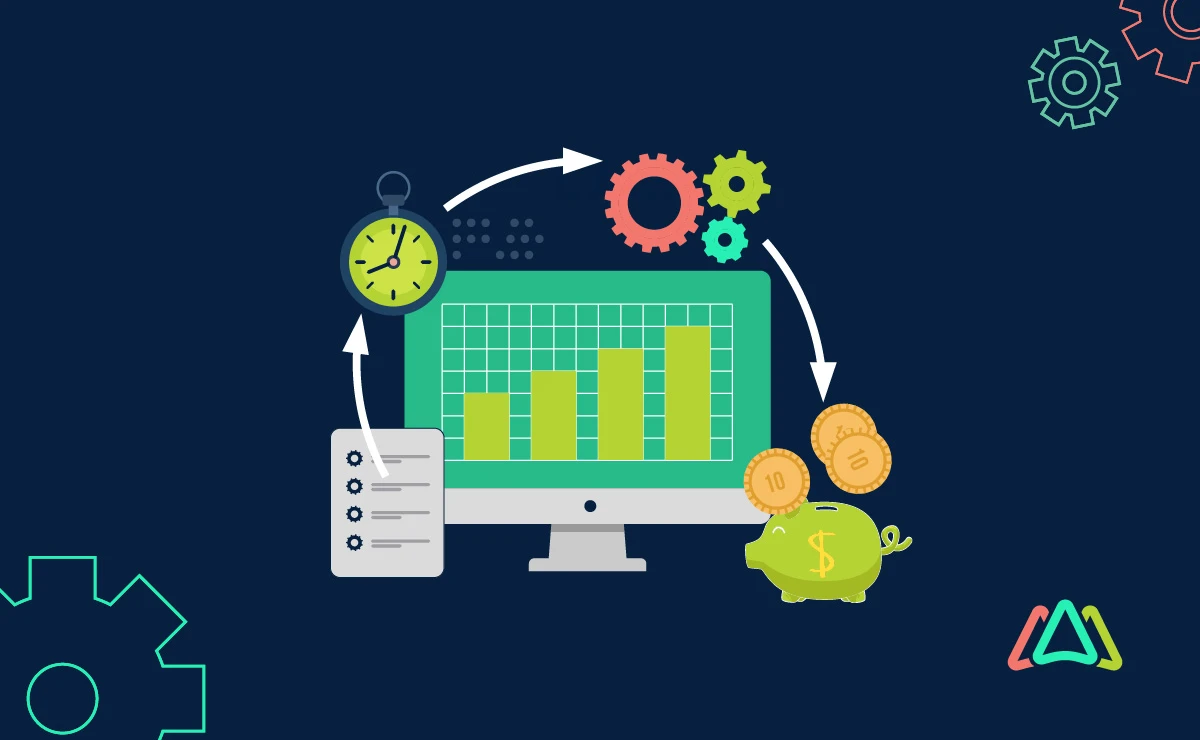
That’s where equipment management software comes into play. By digitizing and automating equipment tracking, maintenance scheduling, and asset utilization, businesses can significantly cut down operational costs.
In this blog, we’ll explore how equipment management software helps reduce operational expenses and increase overall efficiency.
1. Minimizes Unplanned Downtime
One of the most significant contributors to operational costs is unplanned equipment downtime. When machinery or tools break down unexpectedly, it halts operations, affects project timelines, and often leads to expensive emergency repairs.
Equipment management software helps eliminate this issue by:
- Providing predictive maintenance alerts based on usage data
- Tracking the health and performance of each asset
- Ensuring timely servicing to prevent breakdowns
By proactively managing maintenance schedules, organizations can avoid costly disruptions and extend the life of their equipment.
2. Enhances Asset Utilization
Many organizations struggle with underused or idle assets, which are essentially sunk costs. Equipment management solutions offer real-time insights into equipment availability and usage, enabling businesses to allocate resources more effectively.
Some ways this helps reduce costs include:
- Identifying underutilized assets that can be reassigned
- Preventing unnecessary equipment purchases
- Ensuring better return on investment (ROI) for existing assets
A robust equipment maintenance platform ensures optimal utilization of each piece of equipment, thereby improving cost-efficiency.
3. Reduces Maintenance Costs
Traditional maintenance approaches are often reactive and inconsistent. Emergency repairs are usually more expensive than preventive measures and can result in higher labor costs and longer downtimes.
With equipment management software, businesses benefit from:
- Automated maintenance scheduling
- Streamlined work orders
- Consistent record-keeping for audits and compliance
This level of automation helps companies shift from a reactive to a preventive or predictive maintenance model, significantly lowering ongoing maintenance costs.
4. Improves Labor Productivity
When equipment is maintained properly and tracked accurately, employees spend less time dealing with breakdowns or locating missing tools. This leads to higher productivity and better time management across the workforce.
For instance:
- Technicians can quickly access service history and manuals
- Admin teams can automate inventory and procurement workflows
- Managers can monitor performance and assign tasks efficiently
By eliminating inefficiencies, the software helps reduce labor-related operational costs.
5. Ensures Compliance and Reduces Penalties
Non-compliance with safety and industry regulations can result in heavy penalties and legal costs. Equipment management software provides a centralized system to store inspection reports, certifications, and compliance checklists.
This helps businesses:
- Stay compliant with industry standards
- Pass audits with minimal risk
- Avoid legal penalties and insurance complications
Streamlined compliance management not only saves money but also protects a company’s reputation.
6. Lowers Inventory Carrying Costs
Carrying excess inventory of spare parts and tools ties up capital and storage resources. An intelligent equipment management system helps monitor spare parts inventory levels, forecast future needs, and automate reordering processes.
This enables businesses to:
- Maintain optimal stock levels
- Avoid overstocking and stockouts
- Reduce warehousing and holding costs
For organizations aiming to align inventory strategies with broader operational goals, exploring custom inventory management solutions offered by technology consulting experts can provide the right foundation for long-term cost savings and efficiency.
7. Offers Actionable Insights Through Analytics
Modern equipment management software comes equipped with advanced reporting and analytics tools. These help decision-makers track KPIs like maintenance costs, equipment downtime, and asset lifecycle.
Such insights lead to:
- Better budget planning
- Informed purchasing decisions
- Identification of cost-saving opportunities
Data-driven decisions ensure that operational expenditures are continuously optimized.
Final Thoughts
The operational costs associated with managing equipment can spiral out of control without a proper system in place. By implementing reliable equipment management software, companies can take a proactive approach to asset maintenance, streamline operations, and significantly reduce expenses.