

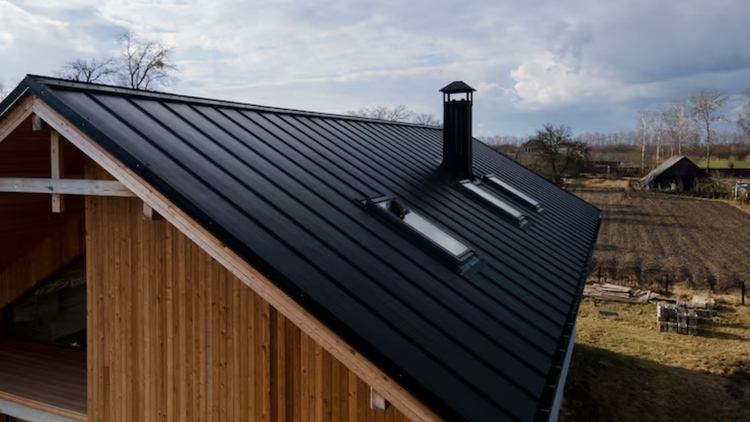
Roof slope plays a vital role in both the safety and durability of a building. While steep roofs efficiently shed water and snow, low-sloped roofs can sometimes pose challenges.
But how low is too low? At what point does a gentle slope start to increase risks like leaks or structural strain?
Understanding the low slope roof ratio is key for homeowners and builders who want both functionality and style. A poorly designed low slope can trap water, cause material deterioration, or even lead to costly repairs over time.
Fortunately, there are proven techniques to manage these risks and ensure long-lasting performance.
By combining the right materials, drainage solutions, and regular inspections, low-sloped roofs can remain safe and effective without compromising aesthetics.
Recognising Risk Factors
Roofs with minimal pitch face unique challenges compared to traditional steep roofs. Common issues include:
- Water accumulation: Flat or low-sloped roofs may retain rainwater longer, increasing leak risks.
- Material strain: Roofing materials may deteriorate faster due to standing water or ice formation.
- Structural pressure: Excess weight from snow or debris can stress the supporting framework.
Identifying these factors early allows homeowners to choose the right slope, materials, and protective measures.
Recommended Low Slope Range
Experts typically consider a roof low-sloped if the pitch is less than 3:12 (3 inches of vertical rise for every 12 inches of horizontal run). Below this threshold, the roof becomes more susceptible to problems. The low slope roof ratio provides a clear guideline for design and safety:
- 3:12 to 2:12: Generally safe with proper materials and waterproofing.
- 2:12 to 1:12: Requires advanced drainage and reinforced roofing systems.
- Below 1:12: Considered very risky; specialized flat roof techniques are necessary.
Knowing this range helps in planning repairs, renovations, or new construction.
Choosing the Right Materials
Material selection is crucial for low-sloped roofs. Certain types are better suited to handle minimal pitch:
- Single-ply membranes: Durable and flexible, ideal for low slope applications.
- Built-up roofing (BUR): Layers of waterproof material offer extra protection.
- Modified bitumen: Strong and resistant to weathering, suitable for gentle slopes.
Using appropriate materials in combination with proper slope ensures longevity and reduces potential damage.
Improving Drainage
Even with the correct slope and materials, water management is essential. Standing water is one of the main reasons low-sloped roofs fail. Effective solutions include:
- Strategic gutter placement: Ensures water is directed away from the roof quickly.
- Internal drains or scuppers: Helps prevent pooling in flat or nearly flat areas.
- Regular maintenance: Clearing debris from valleys and drains avoids blockages.
These measures complement the roof slope, making low-pitch designs much safer.
Signs a Low Slope Is Becoming Risky
Regular inspections help catch issues before they escalate. Homeowners should watch for:
- Water stains or leaks inside the building
- Sagging or uneven areas on the roof surface
- Cracks or blisters in roofing material
- Accumulation of debris that prevents drainage
Addressing these warning signs early prevents more serious damage and extends the roof’s lifespan.
Tips for Safer Low-Slope Roofs
- Reinforce structural support: Low-pitched roofs may need extra framing for snow-heavy regions.
- Use protective coatings: Waterproof coatings improve resistance to weather damage.
- Plan for regular cleaning: Remove leaves, dirt, and standing water frequently.
- Consult professionals: Roofing experts can recommend the best slope, materials, and drainage solutions.
Implementing these practices ensures a low-sloped roof is both functional and durable.
Final Thoughts
A low slope can be both stylish and practical, but safety should never be compromised. The low slope roof ratio serves as a key benchmark, helping determine when a gentle pitch remains safe and when additional precautions are required. By selecting suitable materials, improving drainage, and conducting regular inspections, homeowners can enjoy the benefits of a low-sloped roof without unnecessary risk.
Low-pitched roofs demand careful planning and maintenance, but with the right approach, they can perform just as well as steeper designs. Whether building new or renovating, knowing the ideal slope and taking proactive steps ensures your roof remains strong, efficient, and long-lasting. Every decision—from slope choice to drainage design—contributes to a secure and resilient roof that protects the home for years to come.