


eSIM technology is leading the way in the fast-changing world of mobile connections. People are finding that eSIMs are more flexible and convenient than regular SIM cards as devices get smarter. Providers like ESIMUSA.com in the US and EUROPEESIM.com in Europe are making it easier than ever for people who travel and work to use this technology without any problems. One of the most common questions consumers have when they think about moving to eSIM technology is how many eSIMs a single phone can use. You need to grasp what eSIM technology can and can’t achieve in order to make educated decisions about your mobile connectivity needs. If you travel a lot and have to deal with different carriers, or if you’re a business professional who needs to keep work and personal lines separate, or if you just want to get the most out of your mobile experience, knowing how many eSIMs your device can handle will help you plan your connectivity strategy.
This complete guide will cover all you need to know about eSIM capacity in modern smartphones, from simple features to more advanced management strategies. It will help you get the most out of this amazing new technology.
What is an eSIM?
A digital SIM card that is built into your smartphone is called an eSIM (embedded SIM). An eSIM is a programmable chip that can store numerous carrier profiles and be activated remotely by QR codes, carrier apps, or direct downloads. This is different from a regular SIM card, which needs a physical plastic chip.
The best thing about eSIM technology is that it is flexible. People can switch providers right away without having to go to a store or wait for delivery. You may save more than one profile on a single device, which is great for keeping track of business and personal numbers or utilizing various carriers while on the road.
eSIMs are great for tourists because they let them quickly connect to local networks without having to buy real SIM cards abroad. You won’t have to worry about losing little chips or carrying SIM ejector tools anymore. Just activate and connect.
eSIM technology is changing mobile connectivity around the world by making it easy to set up and switch between networks.
How Many eSIMs Can a Phone Hold?
The number of eSIM profiles that a smartphone can hold depends on both the hardware and the manufacturer’s specs. It’s crucial to know that storing eSIMs is not the same as having them all operational at the same time.
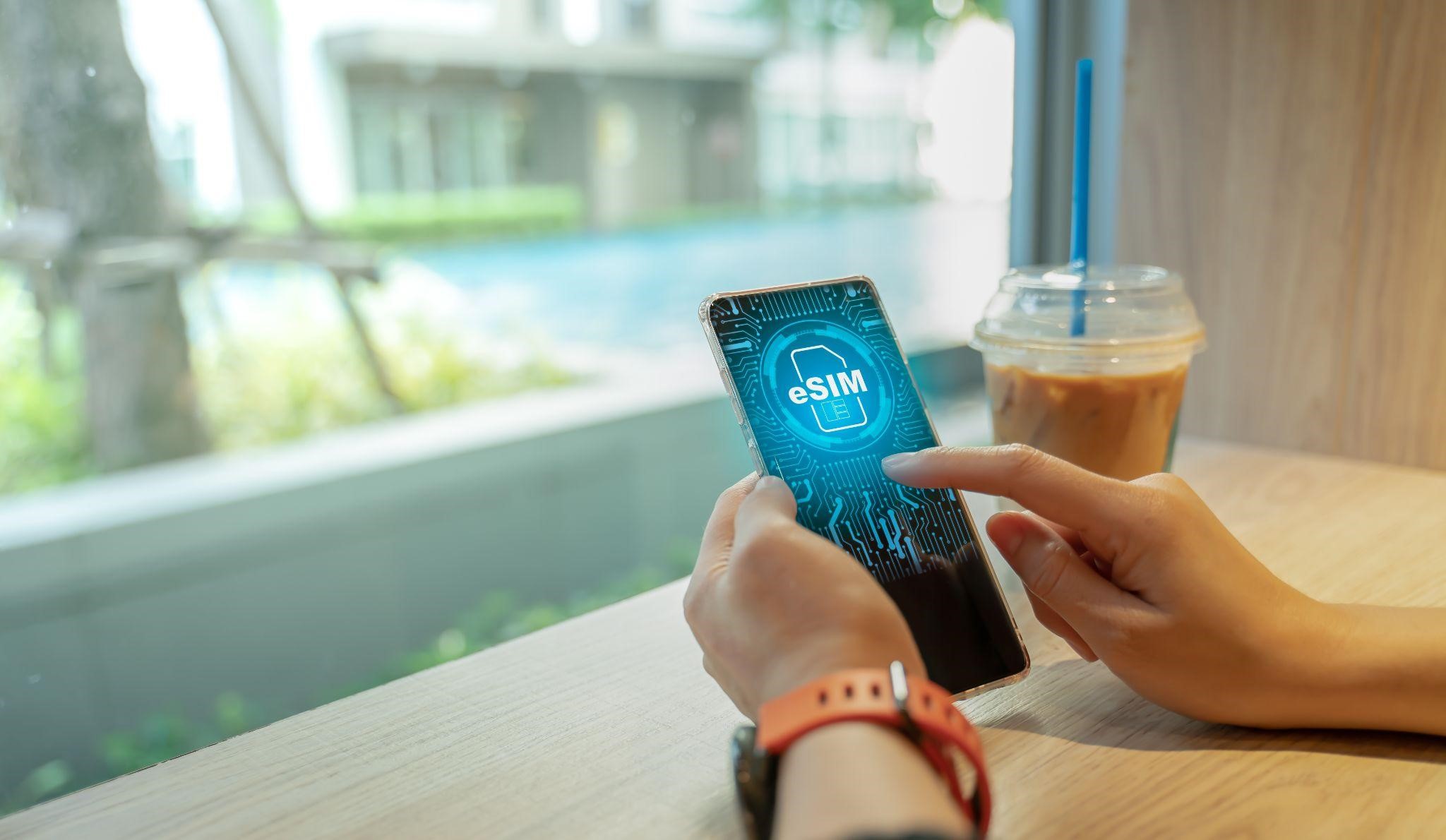
Most new phones that work with eSIMs can store 5 to 20 eSIM profiles, although usually only 1 or 2 eSIMs can be active at the same time, occasionally with a conventional SIM card.
Here is a list of how much storage and activation space different brands of eSIM have:
| Brand / Model | eSIM Storage Capacity | Active eSIMs Supported | Physical SIM Compatibility | Notes |
| Apple iPhone XS series and newer | Up to 20 profiles | 1 active eSIM + 1 physical SIM | Yes | Older models in this range support only 1 eSIM active at a time with a physical SIM. |
| Apple iPhone 14 series (U.S. models) | Up to 20 profiles | 2 active eSIMs | No (eSIM-only) | First iPhones sold without physical SIM slots in the U.S. |
| Samsung Galaxy (most flagship models) | 5–10 profiles | 1 active eSIM + 1 physical SIM | Yes | Newer models support 2 active eSIMs simultaneously. |
| Google Pixel 3 and newer | 4–5 profiles | 1 active eSIM + 1 physical SIM | Yes | Latest models offer enhanced multi-eSIM functionality. |
You can save numerous profiles for work or travel, but most devices can only connect to one or two at a time because of hardware and software limitations.
Factors Affecting the Number of eSIMs You Can Use
There are a few things that affect how many eSIMs your phone can use. Hardware is the most crucial thing. The chipset, antennae, and battery management system inside your phone determine how many eSIMs it can run at once without slowing down or exhausting the battery too quickly.
Some phones can do things that others can’t. Flagship versions from the same company frequently have greater eSIM storage and better multi-SIM functionality than cheap or mid-range phones. This has to do with the phone’s processor, memory, and radio parts.
Carrier rules and software rules are also important. Your phone’s operating system needs to be able to handle numerous eSIM profiles without any problems. Your mobile carrier may also set its limits at the same time. Some carriers only let you have a set number of eSIM profiles on your account, and others may not support all of the features of eSIM.
You should know the distinction between activating and storing eSIMs. Your phone may have 5 to 20 profiles saved, but you can only have one or two active for calls, messages, and data at the same time.
Many new smartphones may also use dual SIM mode, which lets you use both a physical SIM and an eSIM. This arrangement lets you keep two active lines and yet work with outdated SIM card setups.
Benefits of Using Multiple eSIMs on One Phone
Different kinds of users can benefit from being able to store and manage multiple eSIM profiles on a single device. It’s a big help for people who travel a lot. You don’t have to carry extra phones or change SIM cards every time you cross a border anymore. Instead, you can load eSIM profiles for the places you want to go before you go. Once you get there, you may turn on the local plan right away, which is usually significantly less than roaming rates.
There are also major benefits for business users. With more than one eSIM, you can have both your professional and personal numbers on the same phone. This means you don’t have to carry two smartphones or transfer SIM cards all the time. You may quickly switch between business and personal profiles on the same device, which keeps your professional and personal conversations distinct.
Another good thing is that you can transfer carriers whenever you want. You can save profiles for different carriers and choose the one with the greatest rates, coverage, or speed for where you are. This freedom can save you a lot of money in the long run. eSIMs are better for the environment because they don’t need real SIM cards, which means less plastic waste. One person’s contribution may not be big, but millions of people converting to eSIMs can make a big difference for the world.
Factors Affecting the Number of eSIMs You Can Use
There are a few elements that affect how many eSIMs you can utilize on your phone. Your phone’s hardware is the most significant thing. Your phone’s processor, antennae, and battery management system work together to figure out how many eSIMs may be active at the same time without slowing down your phone or draining the battery.
Different models of the same brand may have different restrictions. Compared to mid-range or budget phones, flagship phones usually have larger eSIM storage and superior multi-SIM functionality. Your phone’s CPU, memory, and network parts all have an impact on how well it can handle more than one eSIM.
Rules for software and carriers are also significant. Your phone’s operating system needs to be able to handle a lot of eSIM profiles without any problems. Some carriers only let you have a certain number of eSIMs on one account, and others might not support all of the eSIM features. It’s also important to know how to store and activate eSIMs. Your phone can save 5 to 20 profiles, but you can only use 1 or 2 of them for calls, messages, and data.
A lot of new smartphones also include dual SIM mode, which lets you use both a physical SIM and an eSIM at the same time. You can use two lines without having to carry two phones.
Benefits of Using Multiple eSIMs on One Phone
A lot of individuals find it helpful to have more than one eSIM profile on their phone.
It’s a great time-saver for people who travel a lot. You don’t have to bring extra phones or change SIM cards at the airport. You can load profiles for local carriers before you leave and turn them on as soon as you get there. This usually costs a lot less than roaming charges.
Business users can save both their business and personal numbers on the same device. You can switch between them effortlessly, so you don’t need two phones, and your communications stay distinct. You can also change carriers if you find better costs or coverage. You can switch to a different stored profile if one network is slow. This flexibility often saves money.
eSIMs are better for the environment because they replace actual SIM cards, which means less plastic waste. One person’s change doesn’t have much of an effect, but millions of people converting to eSIM can make a tremendous difference.
Conclusion: Future of eSIM Technology

eSIM technology is the most flexible and convenient option. eSIM technology has a bright future. Soon, phones may be able to store a limitless number of profiles, run more active lines at the same time, and sync profiles between devices through cloud connectivity. These changes could make prices more competitive, coverage better, and users more flexible all throughout the world. eSIM technology is going to become an even better and cheaper way for travelers, business people, and regular mobile users to connect in the future. eSIMs are not limited to phones but are also used in many wearable devices like smart watches, car navigation systems. The future of eSIM technology is bright, and we will be using it more than ever.