

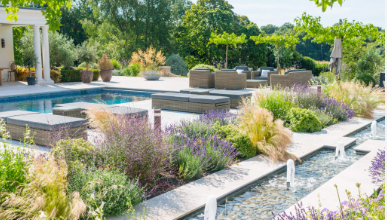
Selling a home is a game of first impressions. Buyers will forgive a small kitchen, overlook a dated bathroom, and talk themselves into all manner of compromises, but a chaotic, neglected garden? That’s a different story.
A tangle of overgrown shrubs and a lawnmower that appears to have been abandoned sometime around 2019 sends a very specific message, and it’s not a good one.
Before your next viewing, here’s what your garden might be saying about your home, and what you can do about it.
First Impressions Matter More Than Homeowners Think
Buyers make up their minds fast. People often form an emotional response to a property within seconds, and a neglected outdoor space plants a seed of doubt that’s hard to uproot—pun very much intended.
The problem isn’t just aesthetics. A chaotic garden signals work, expense, and uncertainty. Buyers start doing the maths: How much will landscaping cost? How many weekends will this consume? Is there something worse hiding behind that shed?
A poorly laid-out garden forces buyers to project problems, rather than possibilities.
The good news is that even modest improvements shift that dynamic significantly. Clear pathways immediately make a space feel navigable.
A simple seating area—even a couple of chairs and a small table—lets buyers mentally place themselves outside with a glass of something cold.
A compact water feature adds movement without requiring a pond-sized budget. And tidy planting, even just cutting back what’s already there, signals that someone cared.
Kerb appeal gets all the glory, but rear garden appeal seals a great many deals.
Functional Garden Layouts Appeal to Buyers
Buyers want to see a garden they could actually use, not one that feels confusing or difficult to navigate.
A well-considered garden layout divides the space into logical sections, giving each one a clear purpose without making the whole thing feel overly designed.
Dining areas are particularly popular, and even a modest, clearly defined patio can help buyers picture slow Sunday mornings or relaxed meals outdoors.
A dedicated gardening space, perhaps with raised beds or a tidy potting corner, appeals to those who fancy growing their own without committing to an allotment. And if your buyers have children, a play area is a serious selling point.
Structure is what ties these areas together. Gravel paths between sections create definition without requiring heavy landscaping, and low hedging or clipped borders separate spaces, adding a gentle sense of structure.
The difference between an ‘area’ and a ‘random patch of garden’ is simply a clear boundary, and boundaries can be cheap and easy to create.
If you’re unsure where to start, a professional residential garden design service can help you map out zones that work for your specific space and target buyer.
Low-Maintenance Gardens Attract More Interest
Let’s be honest about the modern buyer’s schedule. Between work, commuting, social obligations, and the ongoing project of pretending to watch less television, the average person is not secretly longing for a high-maintenance garden.
Gardens that look effortless to keep are genuinely more attractive to a wider pool of buyers. And the clever part is that low-maintenance doesn’t mean low-effort to design. It just means making smart choices upfront.
Hardy perennials, chosen well, thrive for years with minimal maintenance. Pairing them with low-maintenance landscaping like gravel or stone can make the entire garden easier to manage while still looking modern and well-kept.
A basic drip irrigation system is also a modest investment that communicates care and practicality to anyone viewing the space.
Mulch around borders and beds can suppress weeds, retain moisture, and make everything look intentionally tended. It’s one of those small touches that costs almost nothing but makes the garden look far more polished.
Buyers with busy lives don’t want a garden that requires constant vigilance and maintenance. Show them a garden that feels manageable, and you’ll remove a major psychological hurdle.
Plant Choices Influence Buyer Perception
A garden without plants is just an outdoor floor. And while a clean, uncluttered space has its merits, greenery is what makes buyers emotionally connect with an outdoor space. It makes it feel alive, seasonal, and full of potential.
Layering is the key. Taller structural plants at the back, mid-height interest in the middle, and lower ground-level planting at the front create depth and make even a compact garden feel layered and spacious.
Evergreens provide year-round structure, while plants like box, pittosporum, and hardy ferns maintain their appeal throughout the seasons.
Lavender and rosemary are perennial crowd-pleasers: fragrant, hardy, drought-tolerant, and capable of making a border look polished with very little maintenance.
Seasonal flowers, tucked into gaps, give the garden a changing character throughout the year. A viewing in April should feel different to one in September, and that’s genuinely appealing rather than a problem.
Pots and planters deserve more credit than they usually get. They offer flexibility, as you can reposition them before a viewing, swap in seasonal colour, and use them to soften hard edges on a patio without permanent commitment.
In smaller London gardens where permanent planting space is tight, a well-curated collection of pots can do the work of a full border and still look brilliant.
Small Gardens Can Still Feel Spacious
The average London garden is not, to put it diplomatically, vast. What matters far more than square footage is how the space is used. With clever design, even a modest courtyard can feel like a genuine retreat.
Vertical gardening is one of the most effective tools available. Trellising with climbers, wall-mounted planters, or even a trained fruit tree draws the eye upward and adds lush green interest without sacrificing floor space.
Mirrors—the outdoor, weather-resistant variety—create an illusion of depth that genuinely fools the eye, even when you know it’s a mirror.
Light-coloured furniture and paving reflect rather than absorb light, making spaces feel brighter and more open.
Additionally, raised decking, even just a single low platform, adds architectural interest and structure. It also creates the impression of distinct zones in a space that might otherwise feel like one undifferentiated rectangle.
Conclusion
No one expects homeowners to completely redesign their garden before putting a property on the market. But a few thoughtful improvements can make a significant difference.
Clear it, structure it, green it up, and let people see how they might actually use it. The buyers who open that back door and immediately picture themselves in the space? They’re the ones who make offers.
And the ones who open it and see chaos? They’ll be mentally calculating exit routes all the way through the kitchen.