

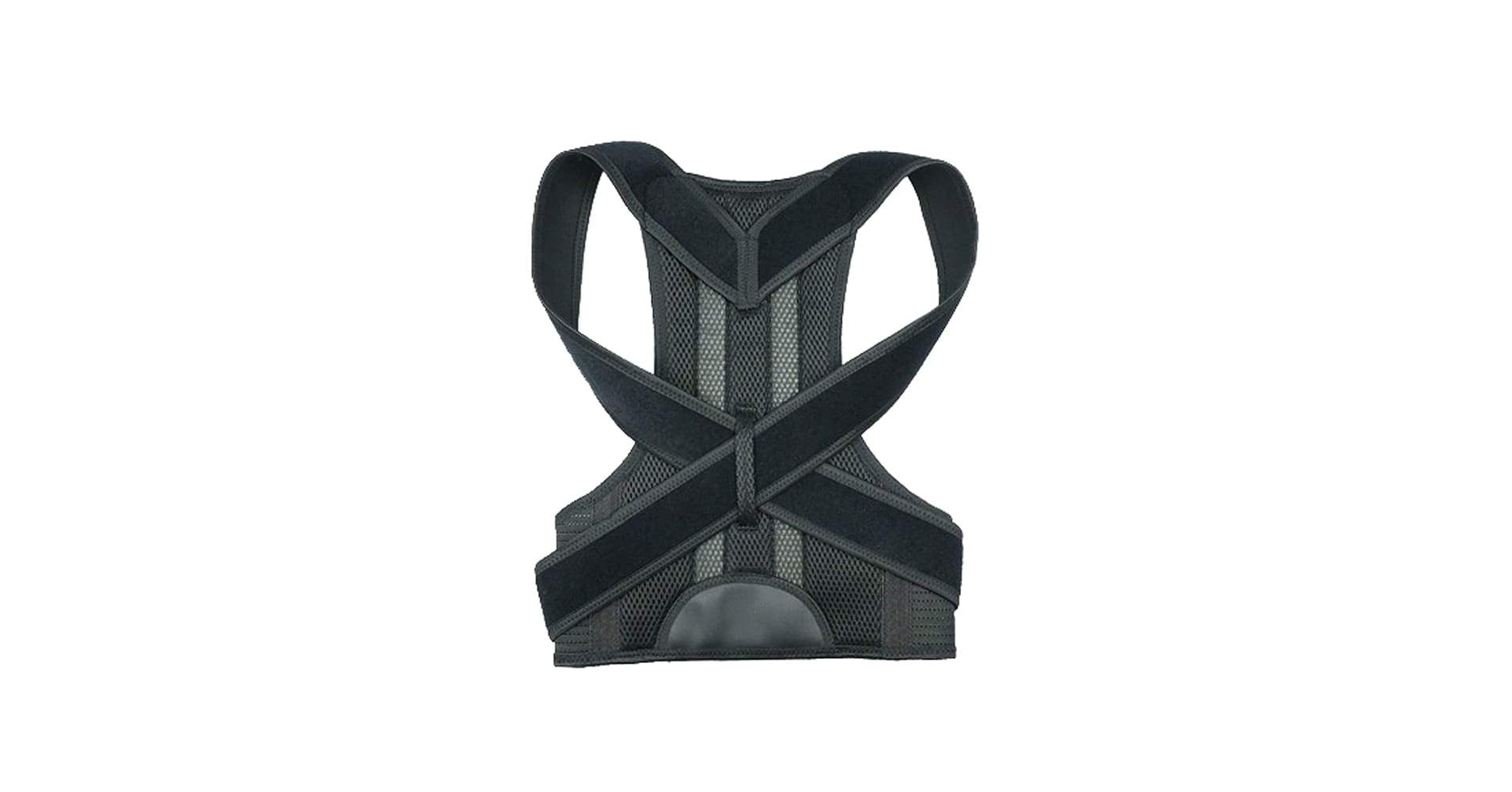
The global orthopedic support market continues to expand as consumers become more health-conscious and businesses seek reliable manufacturing partners. Whether you are launching a new wellness brand or expanding an existing product line, choosing the right OEM manufacturer is one of the most important decisions you will make. A dependable supplier ensures high-quality products, consistent production, regulatory compliance, and long-term business growth.
When it comes to posture correction products and wrist braces, not all manufacturers offer the same level of expertise. Working with a professional posture corrector manufacturer and a premium custom wrist brace manufacturer gives your business a competitive advantage in both product quality and customer satisfaction.
In this guide, you’ll learn what to look for in an OEM manufacturing partner and how the right choice can help your brand succeed.
Why Manufacturer Selection Matters
Many companies focus heavily on branding and marketing while overlooking manufacturing quality. However, customers judge your brand by the products they receive.
A reliable manufacturer helps you:
- Deliver consistent product quality
- Reduce production errors
- Meet shipping deadlines
- Ensure international certifications
- Maintain customer trust
- Improve long-term profitability
Choosing the wrong factory can lead to delayed deliveries, poor workmanship, product returns, and damage to your brand reputation.
What Makes a Professional Posture Corrector Manufacturer?
Not every factory specializes in posture correction products. A true professional posture corrector manufacturer understands biomechanics, ergonomic design, and modern production techniques.
Here are the qualities to consider.
Advanced Product Design
Professional manufacturers invest in product development. Their posture correctors are designed to improve posture comfortably without restricting natural movement.
Important design features include:
- Adjustable shoulder straps
- Breathable mesh materials
- Lightweight construction
- Ergonomic support panels
- Comfortable long-term wear
These features improve customer satisfaction and reduce product complaints.
Strong OEM and ODM Capabilities
If you’re building your own brand, customization is essential.
A quality OEM manufacturer should provide:
- Custom logo printing
- Private label packaging
- Product customization
- Material selection
- Size customization
- Color options
- Product development support
These services allow businesses to differentiate themselves from competitors.
Manufacturing Experience
Experience often translates into better production efficiency and higher quality standards.
Look for manufacturers that have:
- Years of orthopedic product experience
- Skilled engineering teams
- Large-scale production facilities
- Established export experience
- Stable supply chains
Experienced manufacturers are also better equipped to solve production challenges quickly.
Importance of Premium Wrist Brace Manufacturing
Wrist braces serve a wide range of users, including athletes, office workers, rehabilitation patients, and individuals recovering from injuries.
Choosing a premium custom wrist brace manufacturer ensures your products meet customer expectations for durability, comfort, and performance.
Premium manufacturing delivers benefits such as the following:
- Better stitching quality
- Stronger support
- Comfortable compression
- High-quality hook-and-loop fasteners
- Durable elastic materials
- Longer product lifespan
These factors significantly influence customer reviews and repeat purchases.
Quality Materials Make the Difference
High-quality orthopedic supports begin with premium raw materials.
Reliable manufacturers typically use:
- Neoprene
- Breathable fabric
- Elastic bands
- Soft lining
- Medical-grade foam
- Reinforced stitching
Better materials improve comfort while extending product durability.
Customers notice these differences immediately.
Certification and Compliance
International buyers should always verify factory certifications.
Common certifications include:
- ISO 9001
- CE certification
- FDA registration (when applicable)
- BSCI audits
- RoHS compliance
Certified manufacturers demonstrate commitment to quality management and international standards.
This reduces risks when importing products into global markets.
Research and Development Capabilities
Product innovation helps brands stay competitive.
Top manufacturers maintain dedicated R&D teams that continuously improve:
- Product ergonomics
- Material performance
- Breathability
- Compression technology
- User comfort
- Production efficiency
Innovative products often generate stronger customer demand and higher profit margins.
Custom Branding Opportunities
Private labeling has become increasingly popular among online sellers.
An experienced OEM partner should support the following:
- Custom packaging
- User manuals
- Barcode labels
- Retail boxes
- Amazon-ready packaging
- Brand logo placement
These services simplify product launches while creating a professional brand image.
Production Capacity
Manufacturing capacity becomes increasingly important as your business grows.
Ask manufacturers about:
- Monthly production volume
- Lead times
- Peak-season capacity
- Warehouse capabilities
- Inventory management
Factories with scalable production can accommodate future business expansion without sacrificing quality.
Quality Control Process
Reliable manufacturers inspect products throughout every production stage.
Quality control usually includes the following:
- Raw material inspection
- Production monitoring
- Assembly inspection
- Functional testing
- Packaging inspection
- Final shipment inspection
Strict quality management reduces defects and ensures consistent customer satisfaction.
Communication and Customer Support
Excellent communication is often overlooked but plays a major role in successful OEM partnerships.
Professional manufacturers should provide:
- Fast email responses
- Dedicated account managers
- Technical assistance
- Production updates
- Transparent pricing
- After-sales support
Clear communication minimizes misunderstandings and keeps projects on schedule.
Shipping and Global Export Experience
International logistics require expertise.
Experienced OEM manufacturers understand:
- Export documentation
- Customs requirements
- Freight coordination
- Packaging regulations
- International shipping standards
This knowledge helps prevent unnecessary shipping delays and additional costs.
Questions to Ask Before Choosing a Manufacturer
Before signing an agreement, ask questions such as:
- How many years have you manufactured orthopedic supports?
- Can you provide OEM customization?
- What certifications do you hold?
- What are your minimum order quantities?
- How long is your production lead time?
- Can you provide product samples?
- How is quality inspection handled?
- Do you support international shipping?
Their responses reveal their professionalism and manufacturing capabilities.
Common Mistakes to Avoid
Many buyers focus only on the lowest price.
Instead, avoid these common mistakes:
- Ignoring certifications
- Skipping factory verification
- Ordering without samples
- Choosing inexperienced suppliers
- Overlooking quality control
- Failing to discuss customization options
Saving a few dollars upfront often leads to larger losses later.
Long-Term OEM Partnership Benefits
A trustworthy manufacturing partner contributes to long-term business success.
Benefits include:
- Stable product quality
- Faster product launches
- Better customer satisfaction
- Stronger brand reputation
- Easier inventory planning
- Lower operational risks
Long-term partnerships also create opportunities for exclusive product development and continuous innovation.
Final Thoughts
Selecting the right manufacturing partner is one of the smartest investments your company can make. Rather than focusing solely on pricing, evaluate manufacturers based on experience, certifications, production capabilities, customization options, and quality control systems.
Partnering with a professional posture corrector manufacturer ensures your posture correction products meet high standards for comfort, durability, and performance. Likewise, working with a premium custom wrist brace manufacturer helps you deliver reliable wrist support solutions that customers trust.
As competition continues to grow in the orthopedic support industry, businesses that invest in experienced OEM partners will be better positioned to build strong brands, satisfy customers, and achieve sustainable growth.