

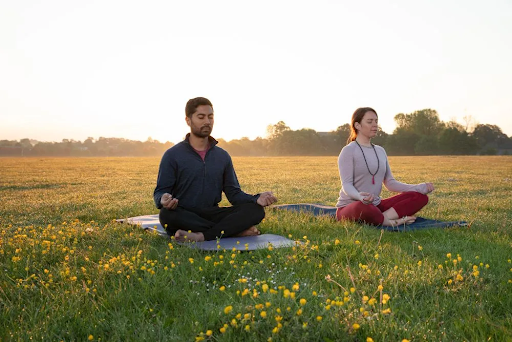
Maintaining a meditation habit sounds simple in theory. Find a quiet place, sit comfortably, and dedicate a few minutes each day to stillness. Yet many people discover that consistency is much harder than expected. Life becomes busy, motivation fluctuates, and solo meditation sessions can gradually fade from a daily routine.
This challenge helps explain the growing interest in group meditation. While meditation is often viewed as a personal practice, many people find that sharing silence with others creates a sense of commitment and connection that is difficult to replicate alone. In a world increasingly dominated by screens, notifications, and digital distractions, practicing mindfulness together may offer a refreshing path toward deeper presence and more sustainable habits.
At the same time, technology is beginning to evolve in ways that support real-world relationships rather than replacing them. Some emerging tools are designed not to keep people online longer but to help them reconnect offline. This shift highlights an interesting possibility: mindful technology may help strengthen meditation practices by making it easier for people to gather, share experiences, and build meaningful routines together.
Why Practicing Alone Can Be Difficult to Maintain
Meditation offers a simple structure, but creating a lasting habit often requires more than good intentions.
When people meditate alone, they frequently encounter challenges such as:
- Difficulty maintaining a regular schedule
- Losing motivation after the initial enthusiasm fades
- Feeling uncertain about progress
- Finding it hard to prioritize quiet time amid daily responsibilities
- Missing a sense of shared purpose or accountability
Research discussed by organizations such as the National Center for Complementary and Integrative Health,NCCIH suggests that mindfulness practices may support overall well-being and self-awareness when practiced consistently. However, consistency itself is often the biggest obstacle.
Human behavior is strongly influenced by social environments. Many habits become easier when they are shared with others. Exercise classes, book clubs, and community groups thrive partly because participation creates structure and accountability. Meditation may benefit from similar social dynamics.
For some people, knowing that others are showing up for a session provides gentle encouragement to do the same. The practice becomes less about relying solely on personal discipline and more about participating in a collective experience.
The Value of Shared Silence
Group meditation offers something unique. Unlike many social activities that revolve around conversation, meditation groups create connection through quiet presence.
Participants do not need to perform, entertain, or even speak. Simply sitting together with a shared intention can foster a sense of belonging.
Accountability Without Pressure
One reason group meditation can feel easier to sustain is the subtle accountability it creates.
When a session is scheduled and other participants are expected to attend, individuals may be more likely to follow through. This accountability is often gentle rather than demanding. There are no performance metrics or competitive goals. The commitment is simply to be present.
A Shared Sense of Purpose
Meditation can sometimes feel isolated when practiced entirely alone. By contrast, in-person meditation sessions allow people to experience mindfulness as a shared activity.
Some participants report feeling encouraged by seeing others prioritize stillness in their own lives. This can reinforce the idea that mindfulness is not merely an individual pursuit but part of a broader mindfulness community.
Reduced Feelings of Disconnection
The U.S. Surgeon General’s Advisory on Loneliness and Social Connection highlights the importance of meaningful relationships and community engagement in modern life. While meditation groups are not a solution to every social challenge, gathering regularly with others can create opportunities for genuine human interaction.
Even brief moments of connection before or after a session may contribute to a stronger sense of community and shared experience.
Why In-Person Meditation Feels Different
Virtual meditation sessions can be convenient, but many practitioners continue to seek opportunities for in-person meditation.
Physical presence changes the experience in subtle ways.
Benefits that some people associate with in-person meditation include:
- Fewer digital distractions
- A stronger sense of commitment
- Shared environmental cues that support focus
- Opportunities for authentic face-to-face interaction
- Greater separation from work and screen-based activities
Harvard Health Publishing has discussed how mindfulness practices can become part of a healthy lifestyle when integrated into daily routines. For some individuals, attending an in-person gathering creates a dedicated space for that routine to develop.
The act of leaving home, arriving at a location, and joining others can transform meditation from an optional activity into a meaningful ritual.
When Technology Supports Human Connection
Technology often receives criticism for encouraging excessive screen time, but not all digital tools serve the same purpose.
Increasingly, designers are exploring ways to use technology as a bridge to real-world experiences rather than a substitute for them.
This approach may be particularly valuable in the mindfulness space.
Instead of encouraging endless scrolling or passive consumption, certain platforms help people discover local opportunities for connection. They act as meeting points rather than destinations.
For example, the Pinealage app helps people find nearby opportunities to meditate with others in small, in-person gatherings. Rather than keeping users engaged within the app itself, the goal is to facilitate real-world experiences that continue beyond the screen.
This reflects a broader trend in mindful technology: using digital tools to support offline habits instead of competing for attention.
Finding Community More Easily
One challenge many people face is simply locating meditation groups near me that fit their schedule and interests.
Technology can simplify this process by:
- Helping people discover local gatherings
- Making scheduling easier
- Connecting individuals with similar mindfulness goals
- Reducing barriers to participation
- Supporting long-term consistency
When used intentionally, these tools can strengthen community engagement while minimizing unnecessary screen exposure.
Building a Sustainable Practice Through Connection
There is no single approach to meditation that works for everyone. Some people thrive in solitary practice, while others benefit from regular interaction with fellow practitioners.
However, the growing popularity of group meditation suggests that many individuals value the support that shared experiences provide.
A sustainable meditation habit often depends on more than technique alone. Environment, routine, relationships, and community can all influence whether a practice continues over time.
For those who struggle to maintain consistency, opportunities to meditate with others may offer a practical and meaningful alternative. Shared silence creates space not only for personal reflection but also for connection with a larger community of practitioners.
As technology continues to evolve, its most valuable role may not be capturing more of our attention. Instead, it may be helping us step away from our screens, gather with others, and participate in experiences that enrich our lives offline.
In the end, the strength of a meditation practice may come not only from moments spent alone but also from the quiet encouragement that emerges when people choose to sit together in stillness.