

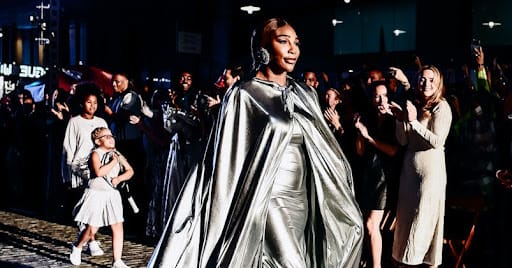
Fashion events used to revolve around big-name celebrities, runway shows, and new collections. Back then, an event’s success depended on who was in the front row, media buzz, and setting the next season’s trends. Nowadays, though, these gatherings are shifting gears. They’re now platforms for discussing sustainability, innovation, ethics, and the fashion world’s future direction.
This shift aligns with broader changes in the fashion sphere. Consumers today ask about a brand’s production processes, where their materials originate, and the principles a company upholds. In response, fashion gatherings are evolving to reflect these concerns. Attendees can now chat about far more than upcoming styles; there’s a space for debating manufacturing, sourcing, and creative environmental solutions.
Nowadays, top fashion get-togethers allocate significant time to issues barely addressed a decade ago. Alongside showcasing garments, you’ll find deep dives into recycling within the industry, novel materials, clear supply line management, and better production techniques. For example, the Global Fashion Summit illustrates how such conferences can push for genuine improvements, not just glossy advertisements.
While creative flair remains crucial, there’s now a stronger drive to marry it with socially responsible undertones. Think eco-friendly aesthetics or exploring ethical production methods without forsaking inventive ideas.
Another big change? Increased diversity among speakers and panelists. Though luxury labels still command presence, indie designers, trailblazing thinkers, and activists are finding more stage time. These fresh faces aren’t merely window dressing – they actually expand discussion frameworks and introduce offbeat concepts that challenge conventional norms.
These days, dialogues don’t limit themselves to short-term creative directions. The dialogue spans technical innovations, customer expectations, and environmental repercussions of textile technologies.
And the discussions don’t stay locked inside convention centers. Live streaming, blogs, podcasts, and social media disseminate these conversations globally, even to those who aren’t physically present. As such, emerging designers, material scientists, and even college students tap into knowledge about nontextbook ideas like biodegradable textiles or zero-waste cutting methods.
Meanwhile, for consumers, these dialogues shed light on previously obscure practices like fair labor use or bioengineered materials. With such topics under the spotlight, shoppers start questioning their choices and advocating for shifts in industry standards.
More targeted summits focusing on sustainable or cruelty-free creation continue gaining traction. They zoom into the intricacies of plant-based alternatives or next-gen supply chains. Events such as Vegan Fashion Week reflect a broader movement within fashion, one that has increasingly found a place in publications such as WorldFashionNews. These specialized meetups aren’t merely scratching the surface – they’re igniting widespread discourse on large-scale systemic reform alongside smaller design elements.
Measuring a fashion assembly’s triumph has transformed dramatically. It’s no longer solely tied to sheer attendee numbers or glitzy show features. The measure of a hit event is now gauged by how impactful the chats were, how fruitful collaborations turned out, and how pioneering the shared insights were.
Fashion persists as a bastion of artistic ingenuity and market foresight. Yet, pivotal transformations occur when this inventiveness serves a higher goal. In assembling forums for incisive debates, fostering alliances, and airing radical perspectives, these conclaves aren’t just reflecting fleeting fads anymore; they’re spurring enduring modifications in the sector.
As attendance swells at these summits, we might anticipate future wardrobe staples telling stories of conscientious sourcing, ecological mindfulness, and progressive industrial evolution, right alongside their aesthetic narratives.