

Modern workplaces talk a lot about innovation, but often overlook the basics, the way we physically work. Whether you’re tightening bolts on an assembly line or handling tools all day, fatigue and strain can quietly chip away at performance.
That’s where tool balancers come in. These clever mechanical devices, often invisible heroes above a workstation, reduce the load on your hands and shoulders, keeping both workers and equipment safe.
At Tool Balancers USA, our mission is simple: to make work safer, smoother, and smarter through advanced load-balancing technology.
1. The Hidden Cost of Workplace Fatigue
When a worker lifts or holds tools repeatedly, micro-strain builds up over time. This leads to repetitive stress injuries, loss of precision, and lower morale.
According to OSHA, musculoskeletal disorders account for nearly 30% of all workplace injuries. The right ergonomic support can cut that risk dramatically.
Smart tip: Identify repetitive tasks in your workspace and check if a balancing system could reduce force exertion.
2. What Exactly Is a Tool Balancer?
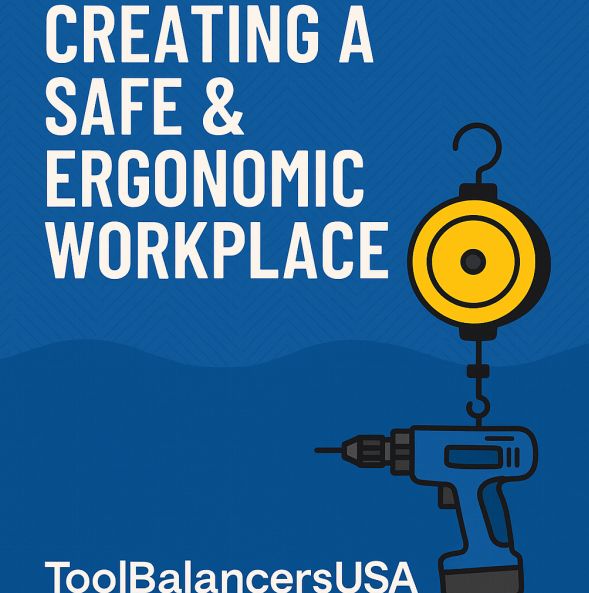
A tool balancer is a spring-loaded device that suspends a tool above the work area, counterbalancing its weight so it feels almost weightless in your hand.
That means:
- Less physical effort
- Better tool control
- Less risk of dropping or damaging tools
- Higher precision for long, repetitive tasks
It’s like having a silent assistant that holds your wrench or screwdriver right where you need it.
3. Ergonomics Meets Engineering
The best tool balancers are tuned to match the exact weight of your tool. Over time, this seemingly small adjustment saves countless hours of strain and fatigue.
Tool balancers carry adjustable balancers from light 0.5 kg hand tools to 180 kg industrial loads, built for automotive, aerospace, and food-processing environments.
Balanced tools = balanced teams.
4. Beyond Factories: Everyday Applications
Think tool balancers only belong in heavy industry? Think again.
- Tech assembly lines use them for microelectronics.
- Food processors rely on them to prevent contamination from dropped tools.
- DIY makers use compact balancers for drills and sanders in home workshops.
If your job involves repetitive motion, you can benefit from factory floors to garages.
5. Safety, Speed, and Satisfaction
A balanced workstation doesn’t just reduce injuries; it makes people enjoy their work more. When movements feel smooth and tools stay where you left them, productivity rises naturally.
That’s why major manufacturers now include ergonomic balancing systems in lean production design, pairing worker wellness with operational efficiency.
6. Building a Smarter, Safer Future
The future of productivity isn’t only digital, it’s physical intelligence. A workspace that feels intuitive, safe, and weightless fosters creativity, focus, and long-term health.
And that’s exactly what Tool Balancers USA helps build, one ergonomic workstation at a time.
Conclusion
Innovation doesn’t always come in screens and code. Sometimes it hangs quietly above your head, holding your tools, supporting your hands, and giving you the freedom to work better.
Explore the complete range of Kromer and ENDO Spring tool balancers at ToolBalancersUSA.com, where safety meets smart design.