

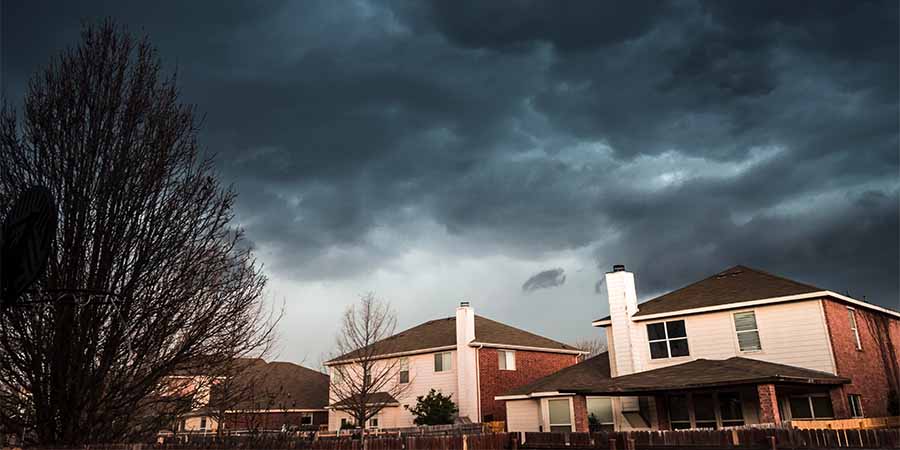
Living in Shreveport means dealing with a wide range of weather conditions, from sunny days to sudden, violent storms. While these storms can be unpredictable, one thing is certain—they pose a significant risk to homes, especially to roofs. Understanding how storms damage roofs, knowing the right steps to prepare, and recognizing how to respond after severe weather can help homeowners protect their property and minimize costly repairs.
The Impact of Hail, Wind, and Debris on Roofs
During severe storms, your roof is the first line of defense against the elements, but it is also the most vulnerable. Hail is a frequent threat in Shreveport, and these ice pellets can strike shingles at high velocity, causing dents or cracks that compromise the protective layer of your roof. Granule loss is a common consequence, which leaves shingles exposed to further weathering and quickens the aging process.
Strong winds also play a destructive role during storms. High-velocity gusts can lift, curl, or even rip entire shingles from their position. When shingles are loose or missing, underlying materials can be quickly worn away by rain, creating pathways for water to enter your home. In addition, wind-driven debris such as tree branches or airborne objects can puncture the roofing materials, damaging not just the shingles but also the underlying structure.
Each of these hazards increases the risk of leaks, mold growth, water damage, and even structural compromises if not handled promptly and professionally. That’s why understanding and preparing for these risks is so vital for Shreveport homeowners.
Preparing Your Roof for Storms
Proactive maintenance can save homeowners from costly storm damage roof repair down the line. The following measures are practical steps anyone can take to safeguard their roof before the next big storm hits:
– Schedule Regular Roof Inspections: Arrange for a professional roofer to inspect your roof at least once a year, ideally before storm season. Inspections reveal issues like loose shingles, rusted flashing, or clogged gutters that can exacerbate storm damage.
– Trim Nearby Trees and Remove Debris: Overhanging branches can snap and crash onto your roof during storms. Cutting back limbs and keeping your yard clear reduces potential sources of debris that can cause punctures and block water runoff.
– Clean and Secure Gutters: Ensure gutters and downspouts are clear of leaves and debris to facilitate proper drainage. Clogged gutters can lead to water backing up under your roofline, damaging the fascia, soffit, and even the interior of your home.
– Reinforce Flashing and Fasteners: Make sure that step flashing and fasteners around chimneys, vents, and skylights are secure and in good condition to prevent wind or water from sneaking in. Professional roofers can apply additional sealants where needed.
– Invest in Impact-Resistant Shingles: Modern roofing options include impact-resistant materials designed to better withstand hail and airborne debris. If a full replacement isn’t necessary, strategic patching or reinforcement can provide extra protection for vulnerable areas.
Taking these steps significantly minimizes the chances of severe roof damage, offering peace of mind as storm clouds gather.
Immediate Actions After Severe Weather
Even with diligent preparation, some storms are simply too powerful and may cause roof damage. Acting quickly after a storm can prevent relatively minor problems from escalating into expensive or dangerous repairs. Here’s what you should do immediately following severe weather:
– Perform a Visual Inspection: Once it’s safe to do so, walk around your property and examine your roof from the ground. Look for visible signs of storm damage such as missing or broken shingles, exposed underlayment, sagging areas, or debris resting on the roof.
– Check Inside the Attic: Turn your attention indoors and examine the attic for any leaks, water stains, or signs of daylight visible through the roof. Early detection allows for swift action.
– Avoid DIY Repairs: While it may be tempting to fix minor issues yourself, climbing on a storm-damaged roof is dangerous and may cause further harm. Instead, document the damage with photos to share with your insurance company and roofing professional.
– Contact an Emergency Roof Repair Service: For prompt and professional help, reach out to an expert in [emergency roof repair service. These professionals can quickly tarp exposed areas to prevent water entry and provide a thorough damage assessment.
– File an Insurance Claim: Contact your homeowner’s insurance provider as soon as possible to begin the claims process. Your chosen roofer can often assist with documentation and insurance negotiations.
Protecting your roof before, during, and after storms is essential to safeguarding your home in Shreveport. By understanding common weather-related risks, preparing your roof in advance, and responding swiftly in the aftermath, you can minimize losses, avoid prolonged disruptions, and ensure your family’s safety year-round.