

Selecting the right audio-visual (AV) equipment can mean the difference between an unforgettable event and one plagued by technical hiccups. No matter if you are organizing a conference, wedding, product launch, or outdoor festival, understanding what gear fits best is crucial. To streamline your event technology planning, many organizers turn to professional providers offering seamless audio visual hire services ensuring reliable support and expertise throughout. However, making informed choices is still essential for meeting your unique event requirements.
For those new to the event AV equipment guide landscape, knowing where to start can feel overwhelming. With endless options ranging from microphones and projectors to advanced lighting and video walls, it helps to have a clear outline of your event’s needs. Working closely with a vendor, or leveraging choosing audio visual gear guides, can help you ask the right questions and avoid unnecessary expenses. Whether you’re hosting indoors or planning an open-air celebration, a few core principles frame the AV decision-making process.
Assessing the Event Type and Objectives
Start by defining your event’s primary purpose and the experience you aim to deliver. Is it a formal business presentation requiring crystal-clear sound and crisp visuals? Or a lively music festival that demands powerful PA systems and dynamic lighting? Understanding audience size, content needs, and venue layout helps narrow down essential AV components. For small corporate meetings, basic audio reinforcement and a projector may suffice. But larger events, like galas or fashion shows, may call for intricate lighting rigs and sophisticated sound mixing consoles.
Indoor vs Outdoor AV Setups
Indoor venues typically provide predictable conditions, such as consistent lighting and less noise interference. This stability lets you focus on the finer points: ensuring audio covers the entire room without feedback, and displays are visible from all angles. You’ll also want to check connectivity options for presenters and the adequacy of available power sources.
Outdoor events, meanwhile, introduce challenges such as weather, ambient noise, and variable lighting. Here, equipment must be robust enough to handle wind, moisture, and temperature changes. It may be necessary to invest in weather-resistant speakers and screens, as well as staging and protective gear. Ensure that lighting can stand up to bright sunlight during the day and illuminate key areas after dark.
Key AV Equipment Categories to Consider
When following a structured event AV equipment guide, break down your list into the following categories to simplify your selection:
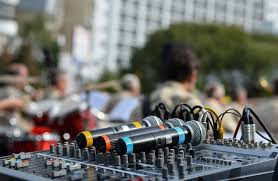
Audio Systems: Includes microphones, speakers, amplifiers, and mixers. For spoken presentations, consider wireless lapel or handheld mics to allow freedom of movement. For large-scale performances, ensure speaker wattage and distribution suit the crowd size and space.
Visual Equipment: Projectors, LED screens, and TVs provide essential visual support. High-lumen projectors work well in brighter settings or larger halls, while LED video walls deliver stunning clarity outdoors or in high-impact areas.
Lighting: Proper lighting transforms spaces and affects how guests experience the event. Options include spotlights for stages, uplighting for ambiance, and intelligent lights for dynamic effects.
Control and Power: Reliable controllers, signal switchers, and backup power solutions (like generators or UPS units) ensure continuous operations.
Additional Tech: Depending on the event, you might need live streaming equipment, audience response systems, or translation gear for multilingual presentations.
Questions to Ask Potential AV Suppliers
Before finalizing your AV partner, prepare a list of questions that gauge their capability and approach:
– What specific equipment do you recommend for my event type and venue?
– How do you handle installation, operation, and technical support on the day?
– Can you provide references or examples of similar previous events?
– What are your contingency plans for equipment failure or bad weather (for outdoor events)?
– Are safety certifications and insurance in place?
– How flexible is your setup should last-minute changes arise?
Balancing Quality, Safety, and Budget
Quality should never be compromised, as faulty AV can disrupt even the best-planned event. Get hands-on with demos when possible, check equipment age and condition, and compare multiple vendors. Ask for transparent breakdowns—some seamless audio visual hire services [[https://www.jrgproductions.co.uk/](https://www.jrgproductions.co.uk/ “smartCard-inline”)] provide package deals that include set-up, on-site support, and dismantling, saving both time and money.
Safety is another non-negotiable. Ensure cables are secured, all gear is PAT-tested (electrical safety), and suppliers follow rigorous installation protocols.
Finally, set a budget range early but allot funds for priority items—skimping on core gear often leads to unplanned expenses. Request a detailed quotation covering all costs, including delivery, overtime, and technician fees.
Conclusion
Navigating the world of event AV equipment doesn’t need to be daunting. Start with a clear vision of your event, research options tailored for indoor or outdoor needs, and engage with experienced suppliers. With the right event AV equipment guide, you’ll make informed choices that guarantee quality, safety, and an impactful experience for everyone involved.