

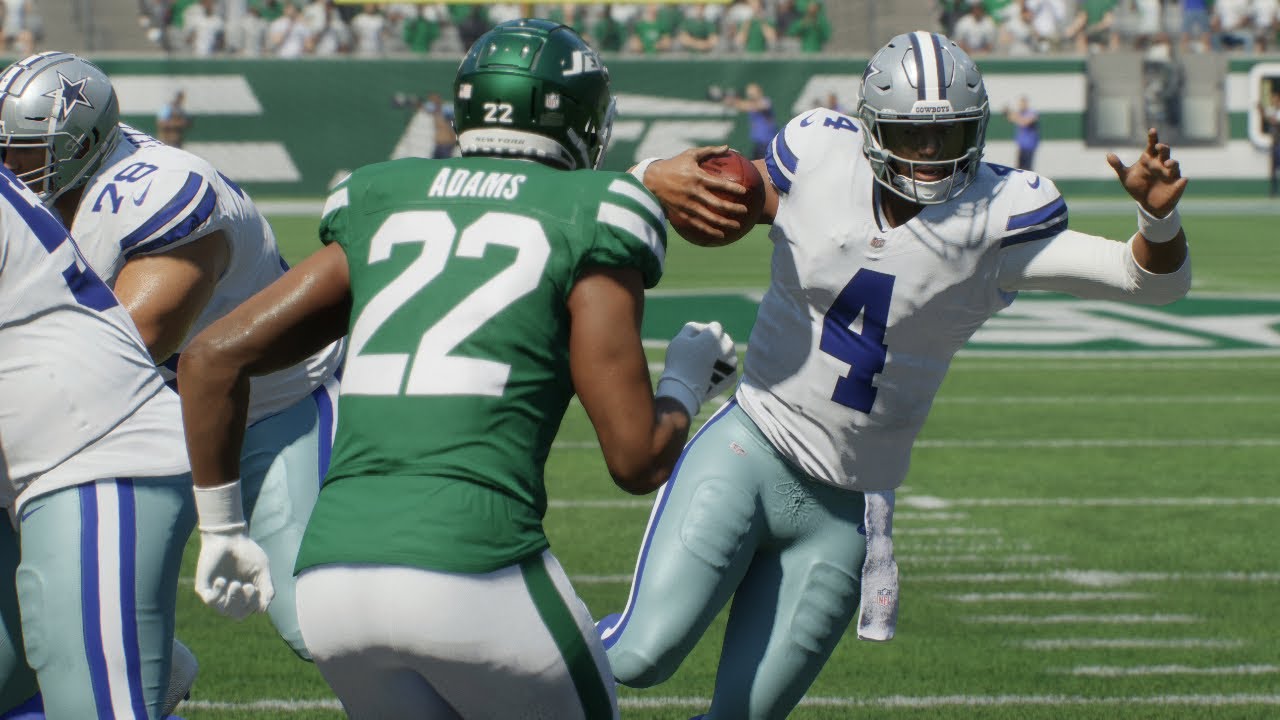
In the modern NFL, size is more than a fun talking point on game broadcasts. The league’s heaviest players often weigh well over 330 pounds, yet move with shocking quickness and power. Their presence in the trenches does more than create viral highlights; it shapes how coaches design offenses, defenses, and even practice plans. Understanding how these massive athletes impact the game helps fans see football on a deeper level.
Over the past few decades, player size has steadily increased, especially along the offensive and defensive lines. Teams have realized that controlling the line of scrimmage is the fastest way to win games, and bigger bodies have become a crucial part of that formula. Many of the heaviest NFL players in history have lined up at tackle or guard, using their bulk to create running lanes and build a protective wall around the quarterback. If you look at a list of the heaviest NFL players ever, you’ll see a clear trend toward towering heights and enormous frames that would have been rare in earlier eras. (Link 1: anchor example – “heaviest NFL players ever in history”)
That size directly affects strategy on both sides of the ball. On offense, massive linemen can neutralize power rushers, absorb contact, and give quarterbacks an extra split second to scan the field. In an era of high-powered passing attacks, that half-second often decides whether a drive ends with a sack or a touchdown. On running plays, heavy offensive linemen generate the push needed to move defensive fronts off the ball, turning three-yard gains into chunk plays that demoralize a defense over four quarters.
On the other side, defensive coordinators lean on huge nose tackles and interior linemen to disrupt everything at the point of attack. A 340 pound defensive tackle who commands double teams can blow up blocking schemes before the play even starts. His size clogs interior gaps, forces offenses to bounce runs outside, and frees up linebackers to run and hit. The result is a constant chess match: offenses searching for lighter, quicker linemen who can still handle power, and defenses hunting for the rare big men who can anchor the middle without sacrificing too much speed.
Of course, there is more to the story than weight alone. Modern NFL teams invest heavily in strength and conditioning programs to ensure their heaviest players stay mobile and healthy. It is no longer enough to simply be big; you need to maintain flexibility, endurance, and explosiveness over a grueling 17 game season. Nutrition plans are tailored to help linemen carry their weight in a way that supports performance instead of slowing them down. This is where a complete understanding of American football, from positions to responsibilities, really helps fans appreciate what they are seeing on Sundays. When you grasp how each position works together, the role of these giant athletes becomes much clearer. (Link 2: anchor example – “complete guide to American football”)
At the same time, teams and players must think about long term health. Extra weight can put added strain on joints, the heart, and the overall body. Many linemen drop significant pounds after retirement to ease the wear and tear they accumulated over years of collisions. The league’s growing attention to sports science, recovery methods, and health education reflects a broader push to balance the advantages of size with the need for sustainable careers.
Off the field, the NFL’s heaviest players often become fan favorites and media personalities. Their size makes them instantly recognizable, and many embrace the spotlight with humor and charisma. Whether it is a big man scoring a rare touchdown, dancing in the end zone, or showing off his surprisingly quick feet in practice clips, these moments regularly go viral. For sports media outlets that cover football, culture, and lifestyle together, the appeal is obvious: these players are built for compelling stories and shareable content. Sites dedicated to news, analysis, and fan-focused features about the NFL and other sports thrive on that blend of information and entertainment. https://www.sportda.com/
In the end, the NFL’s biggest bodies do more than tip the scales. They influence how coaches scheme, how rosters are built, and how fans experience the sport. As the league continues to evolve, the challenge will be finding that sweet spot where size, speed, and health align, allowing the game’s largest athletes to keep dominating the trenches while still thriving long after the final whistle.