

Depression is a serious mental health condition that affects millions of people globally, and Australia is no exception. For individuals who have not responded well to traditional therapies like medication and psychotherapy, alternative approaches such as TMS treatment are gaining attention. In recent years, Transcranial Magnetic Stimulation (TMS) has emerged as a non-invasive, evidence-based option for those seeking effective depression treatment in Australia.
What Is TMS Treatment?
TMS stands for Transcranial Magnetic Stimulation. It is a non-invasive procedure that uses magnetic fields to stimulate specific areas of the brain associated with mood regulation. TMS does not require anaesthesia or medication and is typically administered in a clinical setting.
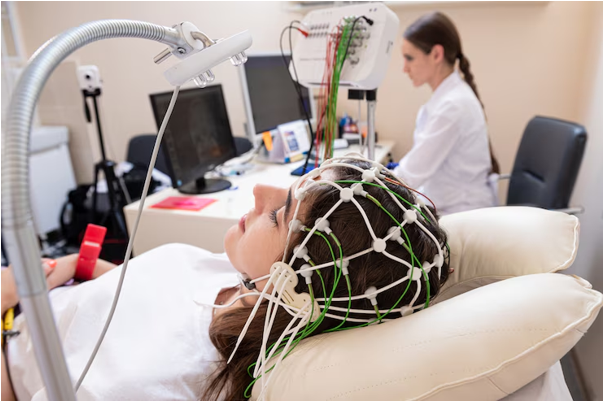
During the procedure, a magnetic coil is placed near the scalp. Short electromagnetic pulses target areas of the brain that are underactive in people with depression, especially the left prefrontal cortex. These pulses help restore normal brain function, which can reduce symptoms of depression over time.
Why TMS Treatment Is Gaining Popularity

One reason TMS treatment is gaining popularity in Australia is its effectiveness in patients who have not seen results from antidepressants. Known as treatment-resistant depression, this condition affects a significant portion of people with major depressive disorder. TMS offers hope by providing a new pathway to recovery without the systemic side effects often caused by medications.
Another advantage is that TMS does not require hospitalisation or recovery time. Patients can typically return to their normal activities immediately after each session. This makes it particularly appealing to individuals with demanding schedules who still need reliable depression treatment in Australia.
The Science Behind TMS
TMS works by delivering repetitive magnetic pulses—known as rTMS—to stimulate nerve cells in the brain. Research suggests that this stimulation helps to reset neural circuits that are involved in mood control. Over a course of several weeks, many patients begin to experience improved mood, increased energy, and better overall functioning.
Numerous clinical studies support the effectiveness of TMS. According to leading Australian mental health institutions, TMS has shown response rates of up to 70% and remission rates close to 50% in patients with treatment-resistant depression. These statistics are promising, particularly for those who have struggled with long-term symptoms.
TMS Treatment in Australia: What to Expect
If you’re considering TMS treatment as part of your depression treatment in Australia, the first step is to consult with a qualified psychiatrist. A comprehensive evaluation will determine whether TMS is a suitable option based on your medical history and current symptoms.
Treatment typically involves daily sessions (Monday to Friday) over four to six weeks. Each session lasts about 20 to 40 minutes. Because the treatment is non-invasive, side effects are usually mild and may include scalp discomfort or a mild headache.
In Australia, TMS is increasingly available at both private mental health clinics and hospitals. Some insurance providers may cover part of the cost, especially if other treatments have failed.
Combining TMS with Other Therapies
TMS is often most effective when integrated into a broader mental health treatment plan. This might include psychotherapy, lifestyle changes, and even medication in some cases. Working with a mental health team ensures that you receive a holistic approach to your recovery.
Support groups, mindfulness techniques, and exercise can further enhance the benefits of TMS treatment. Many patients report that the clarity and energy they gain from TMS allow them to engage more meaningfully in these additional therapies.
Is TMS Right for You?

While TMS is not suitable for everyone, it offers a viable alternative for those who have not responded to other forms of depression treatment in Australia. It is particularly beneficial for patients seeking a non-drug option with minimal side effects.
Ideal candidates for TMS include individuals:
- With a diagnosis of major depressive disorder
- Who have tried at least one or two antidepressants without success
- Who do not have metal implants or seizure disorders
Consulting with a mental health professional is essential for determining if TMS is the right step for your treatment journey.
The Future of Depression Treatment in Australia
As mental health awareness continues to grow in Australia, access to innovative therapies like TMS is improving. More clinics are offering TMS, and ongoing research is helping to refine its use and effectiveness. In the near future, TMS may become a standard option for treating various mental health conditions beyond depression, including anxiety and PTSD.
Conclusion
TMS treatment represents a breakthrough in the landscape of depression treatment in Australia. Its non-invasive nature, proven effectiveness, and minimal side effects make it an appealing option for those struggling with treatment-resistant depression. If you or a loved one is battling depression and looking for a new solution, TMS could be a life-changing step forward. Speak with a qualified mental health professional today to explore whether this therapy is right for you.