

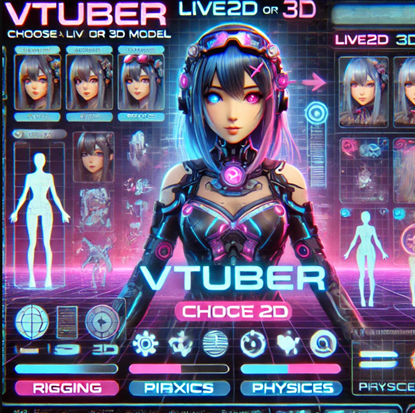
The world of VTubing is thriving, and if you’re looking to join the ranks, your VTuber model is one of the most important investments you’ll make. Whether you’re commissioning a Live2D or 3D model, choosing the right artist or rigger is crucial for achieving the perfect look and functionality. Here’s a step-by-step guide to help you make the right choice.
1. Decide on Your Style
Before commissioning a VTuber model, you need to have a clear vision of your character’s design. Consider:
- Art Style: Do you want anime-inspired, semi-realistic, or chibi styles?
- Theme: Are you a fantasy warrior, cyberpunk hacker, or cute idol?
- Personality and Aesthetic: Your model should reflect your personality and branding as a VTuber via a vtuber model commission according to aiinfluencercompany.com/vtubing-model-commissions-service/ .
2. Choose Between Live2D and 3D
- Live2D Models: Best for 2D animated characters with fluid facial expressions and movement. Commonly used for streaming on platforms like Twitch and YouTube.
- 3D Models: Ideal for full-body tracking, VR interactions, and greater movement range. Popular in VRChat and motion-tracked streams.
Your choice depends on your budget, content style, and desired level of interactivity.
3. Set a Budget
VTuber models vary in cost based on complexity, experience of the artist, and additional features.
- Basic Live2D Models: $200–$600
- High-Quality Live2D Models: $800–$5000+
- 3D Models: $500–$7000+, depending on rigging and complexity
Remember that cheaper options might lack polish, while premium commissions offer advanced rigging and customization.
4. Research Artists and Riggers
Look for artists with experience in VTuber model creation. Key factors to consider:
- Portfolio: Do they have a style that matches your vision?
- Previous Work: Check if their models are well-received by the VTuber community.
- Reviews and Reputation: Look for feedback from past clients.
- Compatibility: Some artists specialize in illustration only, while others do both illustration and rigging.
For Live2D models, you may need to hire a separate rigger if your artist doesn’t offer rigging services.
5. Check Model Features and Functionality
Ensure your model includes essential features such as:
- Facial Tracking: Smooth expressions, eye tracking, and mouth sync.
- Physics & Movement: Hair, clothing, and accessories should move naturally.
- Additional Expressions & Toggles: Blush, anger, heart eyes, outfit changes, etc.
- Hand and Body Tracking (for 3D): If you plan on VR or motion capture.
6. Understand the Terms and Rights
Before finalizing a commission, clarify the terms:
- Usage Rights: Can you use the model for monetization?
- Edits & Revisions: How many revisions are included?
- Delivery Time: Turnaround time varies from weeks to months.
- File Formats & Compatibility: Ensure the model works with VTuber software like VTube Studio, VRoid Studio, or Luppet.
7. Communicate Clearly
Once you’ve chosen an artist, provide:
- A clear reference sheet with poses, outfits, and expressions.
- A mood board with inspiration from other VTubers or artwork.
- Any technical requirements (specific software compatibility, additional toggles, etc.).
Conclusion
Commissioning a VTuber model is an exciting step in your journey. By defining your vision, setting a budget, researching artists, and ensuring technical compatibility, you’ll be able to get a model that truly represents you. Take your time, communicate well, and soon you’ll be ready to debut as your virtual persona!