

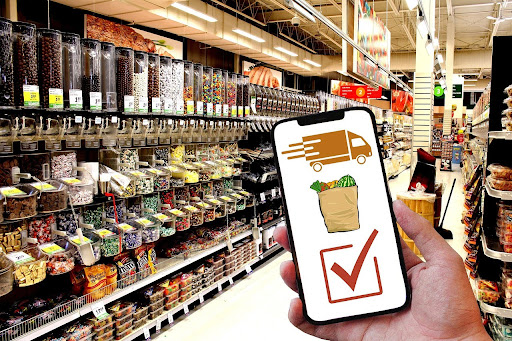
In this digitally advanced world, consumers demand that grocery shopping take place comfortably at home: through mobile phones or laptops. Selecting the best supermarket ecommerce platform is not a luxury but a necessity for growth. The question that gets asked often given so many choices, from all-encompassing grocery ecommerce solution suites to white label apps, is: Which is right for your store?
A noteworthy platform will consider options for perishables, scale with the number of visitors, work seamlessly across devices, support scheduling and substitution logic, and interface with your in-store processes. Let’s dive into the differentiators and why all of this matters.
Key Elements of a Strong Grocery Ecommerce Platform
User Experience & Mobile-First Design
A grocery ecommerce platform must furnish a clean, intuitive, fast-loading interface. Consumers bestow shopping privileges with the grocery ecommerce website and through the app. The navigation should allow easy browsing for fresh produce, weight-based items, deals, and substitutions. Filters, searching, immaculate product photos, and detailed product info help build trust.
Mobile responsiveness is an absolute must. Most of the customers start shopping on their phones. If your supermarket ecommerce website is not going to be mobile-friendly, an opportunity to convert would slip away along with their forever loyalty.
Operational Strength & Inventory Intelligence
Operating a grocery retailing enterprise is filled with many vulnerabilities due to perishables, heavy seasonality, and huge SKU count. Price-by-weight or volume, expiry tracking, flexible option to substitute items if they are out of stock, dynamic scheduling of delivery slots or pick-ups, inventory syncing across all channels-these will be some of the features the platform should allow.
These integrations will link your warehouse with your store systems and with your POS so that accurate stock visibility is maintained. The lag in stocking is in customer disappointment.Curate stock visibility. When inventory lags behind, customer disappointment follows.
Logistics, Delivery & Fulfillment Capabilities
An effective grocery ecommerce solution will be well-trained to handle logistics. This basically means that routing should be optimized, delivery windows should be guaranteed, and orders can be tracked with little trouble, which would give the buyer a choice of delivery or pickup. If there is an app linked with the grocery platform, the patrons should receive real-time updates and notifications.
Also important is that they allow for customization like white labeling (e.g., a white label grocery delivery app), where merchants can provide a brand experience without having to develop the entire tech from scratch.
Scalability & Marketplace-Ready Architecture
If your future plans include expansion-many stores, many regions and more vendors-the infrastructure must handle scaling operations. A growth-based platform will allow one to add more vendors, allow suppliers to maintain their catalogues, support multiple storefronts or zones, handle sudden increases in traffic-time of peak demand and promotions.
And here is where really the grocery marketplace development platforms can shine. Grocerzy, for example, is designed to support operations not just for one store but for a full marketplace, providing flexibility and branding control on a vendor basis.
Insights, Analytics & Customer Engagement
Information is the lever distinguishing a good platform from a great one. Sales dashboards, customer behavior tracking, repeat purchase metrics, and abandoned cart recovery all form the brilliant grocery ecommerce solution. Personalization (with recommendations based on history), loyalty rewards, and promotions based on buying patterns augment retention.
Additionally, a top-notch customer service experience (including chat, support, and feedback) is non-negotiable.
Security, Support & Total Cost
A platform unsafe and unsupported would matter the least among all other features. The payment data must be protected, with SSL and encryption mechanisms put in place; privacy policies must be upheld. Also, reliable technical support and regular updates of the software crucially matter, as does manageable maintenance.
Cost involves much more than licensing or subscription fees, including costs related to app development, hosting, infrastructure updates, and custom integrations. One platform that appears to be cheap might turn out more expensive later should heavy customizations and fixes be required.
Why Choosing the Best Grocery Ecommerce Platform Matters
In other words, being able to sell fresh produce on the Internet does not really matter. It is the customer perception or positioning; service efficiency; cost margins; and finally growth. Customers are having speed, predictability, and a lot of polished experiences, whereas the customer is less willing to do with a faltering store. Conversely, reducing operations while being efficient helps reduce waste, reduce time of delivery, and thereby improve profitability.
Who Should Use a Grocery Marketplace Development Platform
In case you want to handle a slew of vendor stores, have product selections from many suppliers, provide for different store fronts or delivery zones, or want to call a grocery delivery app under your own label, a marketplace-oriented solution like Grocerzy fits very well. The marketplace solution will lessen the custom work, provide your marketplace tools out of the box, and help you scale more effectively.
Conclusion
In a nutshell: the best grocery ecommerce platform balances customer experience, powerful backend operations, mobile-friendliness, logistics, analytics, security, and cost. You might be setting up an ecommerce website for a supermarket, a grocery ecommerce app, or a white label delivery solution; choosing well now will save you a lot of trouble later. With the platform side well taken care of, you capitalize loyalty, scale profitably, and provide a grocery shopping experience that customers expect for today and tomorrow.