

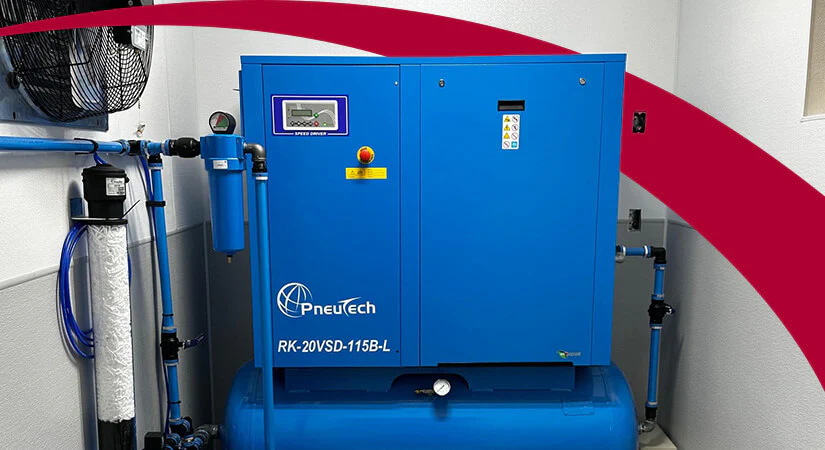
When it comes to running a successful business in industries such as manufacturing, construction, or automotive, selecting the right air compressor is crucial. Air compressors power a variety of tools and machinery, making them an essential part of daily operations. However, with so many types, brands, and specifications available, finding the perfect match for your specific needs can be overwhelming. In this article, we will guide you through the process of choosing the right air compressor for your industry, and how companies like Air Compressors Canada can assist you in making the best choice for your business.
Understanding the Role of Air Compressors
Before we dive into choosing the best air compressor for your business, it’s important to understand the function of air compressors. Essentially, an air compressor converts power (typically from an electric motor, diesel engine, or gasoline engine) into potential energy stored in compressed air. This compressed air is then used to power pneumatic tools, machinery, or even serve as a cooling or cleaning agent in various industries.
Air compressors come in various sizes and designs, and each type is suited for different kinds of work environments. Whether you need a small compressor for light-duty applications or a large, industrial-grade machine for heavy-duty operations, the right choice can significantly impact efficiency, productivity, and costs.
Key Factors to Consider When Choosing an Air Compressor
To determine which air compressor is right for your business, several key factors should be taken into consideration. These include power requirements, the specific tools you plan to use, operating environment, and budget constraints. Let’s take a look at each of these factors in detail:
1. Airflow Requirement (CFM)
One of the most important factors when selecting an air compressor is understanding your airflow requirement. Air compressors are rated by their ability to deliver a certain volume of air at a specified pressure, which is typically measured in cubic feet per minute (CFM). To choose the correct air compressor, you need to know how much compressed air your tools and equipment require.
For example, if you’re using an air compressor for tasks such as spray painting, air tools, or powering a pneumatic system, you’ll need an air compressor that can provide consistent airflow at the required pressure. Determining the CFM needs of your tools will help you select an air compressor that delivers adequate and consistent performance.
2. Pressure Requirement (PSI)
Another critical factor to consider is the pressure requirement, measured in pounds per square inch (PSI). Different industries and tools require different PSI levels to operate effectively. For example, construction sites or automotive workshops may require air compressors that can deliver pressures between 90 to 150 PSI for heavy-duty tools like impact wrenches and drills. On the other hand, lighter applications such as inflating tires or powering small tools may only require lower PSI levels.
To ensure that your air compressor meets the demands of your business, it’s important to calculate the average PSI required for your tools and equipment. Understanding these requirements will ensure your air compressor provides the necessary pressure to operate efficiently without overworking the machine.
3. Tank Size
The tank size of an air compressor determines how much air it can store before it needs to refill. Larger tank sizes are typically used in applications that require long, continuous use without interruption. In contrast, smaller tanks are suitable for intermittent use or lighter tasks. It’s essential to assess the nature of your tasks to determine whether you need a large or small tank.
For example, if your business requires long hours of operation without frequent breaks, a large tank capacity (usually 30 gallons or more) would be ideal. However, for short tasks that don’t require constant airflow, a smaller tank (typically less than 10 gallons) would suffice.
4. Power Source
Air compressors can be powered by electricity, gasoline, or diesel. The power source you choose will largely depend on the nature of your work and the environment in which your compressor will be used.
- Electric Compressors: These are typically quieter, cleaner, and require less maintenance. They are ideal for indoor applications or environments where fuel sources like gasoline or diesel aren’t feasible.
- Gasoline/Diesel Compressors: These compressors are more suitable for outdoor environments where electricity is not readily available. They are also more portable, allowing for flexibility on construction sites and remote locations.
Choosing the right power source is crucial for your air compressor’s performance and operational efficiency. Assess the availability of power sources and your business’s operational requirements to make the right decision.
5. Portability and Size
Depending on your industry, you may need an air compressor that is easy to move around. For businesses operating in multiple locations, such as construction or agricultural sectors, a portable air compressor is a necessity. Portable compressors are lightweight and compact, making them easy to transport to different work areas.
However, if your business operates in a fixed location and requires constant air pressure, stationary air compressors might be a more suitable choice. These are typically larger and more powerful than portable models, designed to provide continuous, reliable air supply for heavy-duty industrial applications.
6. Noise Level
Air compressors can be noisy, and in certain environments, this can create distractions or safety hazards. Some businesses, especially those operating in sensitive areas or close to other workers, may need to prioritize quieter models.
If noise is a concern for your business, consider investing in quieter air compressors. Look for models with noise-reducing features, such as sound-dampening enclosures or advanced motor designs. Choosing a quieter compressor will improve the comfort of your work environment and enhance overall productivity.
7. Budget and Maintenance Costs
Like any equipment, air compressors come in a wide range of prices. It’s essential to set a budget for the compressor purchase while considering the ongoing maintenance costs. While cheaper models may be attractive, they may not offer the same longevity and reliability as higher-quality compressors.
Maintenance is another critical factor. Regular servicing, including oil changes, air filter replacements, and belt adjustments, is necessary to ensure that your air compressor remains in good working condition. Some models may require more frequent maintenance than others, so be sure to factor these costs into your overall budget.
8. Brand Reputation and Warranty
Lastly, consider the reputation of the brand and the warranty offered with the compressor. Brands that are known for their reliability, performance, and customer service are always worth considering. Additionally, a comprehensive warranty will provide peace of mind in case of any malfunctions or issues with the air compressor.
For example, Air Compressors Canada is a reputable company that provides high-quality, durable air compressors for various industries. They offer a variety of options, from portable models to large, industrial-grade compressors. Whether you’re located in Calgary or beyond, Air Compressors Canada offers expert guidance to help you choose the right compressor for your business.
Choosing the Right Air Compressor for Your Specific Industry
Different industries require different types of air compressors. Let’s take a closer look at how to choose an air compressor based on specific industry needs:
Construction Industry
The construction industry demands reliable, heavy-duty air compressors to power pneumatic tools, such as jackhammers, drills, and impact wrenches. Construction environments are often noisy and rugged, requiring durable and portable air compressors. Diesel-powered compressors are commonly used in these settings because they can provide the necessary power while being portable enough to move between job sites.
Automotive Industry
In the automotive industry, air compressors are essential for powering tools like spray guns, impact wrenches, and tire inflators. Depending on the size of the shop, a small or medium-sized air compressor may suffice. However, larger shops may require a more powerful compressor with a higher CFM rating to handle the continuous use of multiple tools.
Manufacturing Industry
Manufacturing operations rely heavily on air compressors to power various machinery, from assembly lines to robotic systems. Compressed air is also used for cleaning, cooling, and conveying products in the manufacturing process. For such applications, large, stationary compressors with high CFM and PSI ratings are typically required. These compressors must be reliable and capable of providing continuous air flow without interruption.
Food and Beverage Industry
In the food and beverage industry, air compressors are used for a variety of tasks, including packaging, bottling, and processing. These compressors must meet strict hygiene and safety standards. Oil-free air compressors are often preferred in these environments because they ensure the air remains clean and free from contaminants, which is essential for food safety.
Conclusion
Choosing the right air compressor for your industry is a critical decision that can affect your operations’ efficiency, productivity, and overall success. By considering factors such as airflow requirements, pressure levels, tank size, and power source, you can find the ideal air compressor that fits your needs.
Furthermore, partnering with reliable suppliers like Air Compressors Canada ensures that you receive high-quality, durable compressors with excellent customer support. Investing in the right equipment will help your business stay competitive and operational, while also ensuring that your team has the tools they need to succeed.
Take the time to carefully evaluate your business’s needs and choose an air compressor that supports your goals, increases productivity, and enhances the efficiency of your operations.