

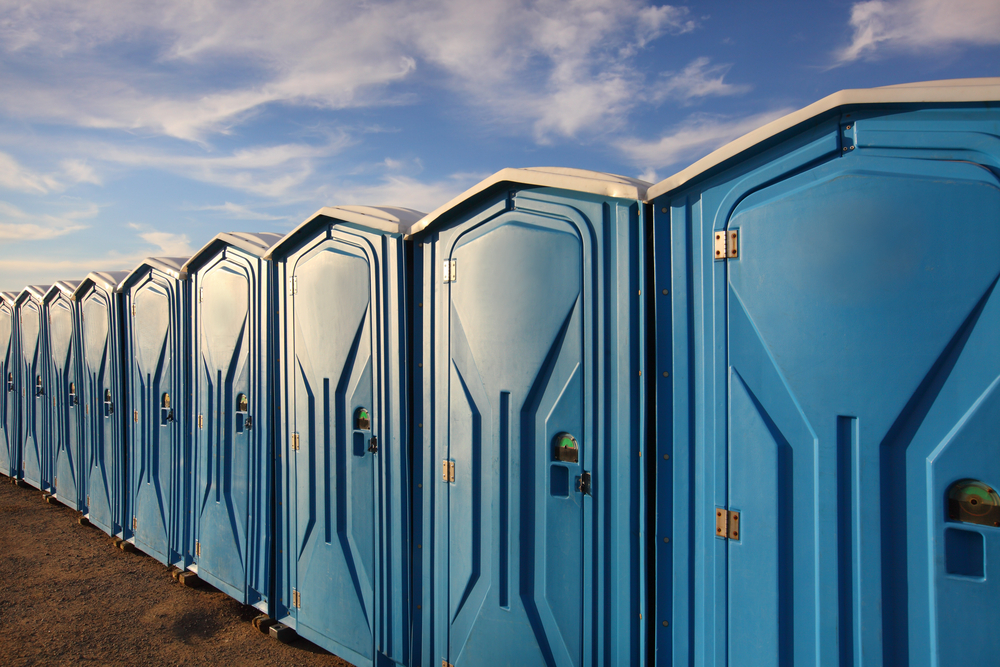
Planning an event, whether it’s a wedding, outdoor festival, corporate gathering, or backyard party, requires careful attention to every detail. One often-overlooked but critical component is sanitation. Choosing the right portable toilet can significantly impact your guests’ comfort, event flow, and overall experience. This guide provides a comprehensive approach to selecting the best portable restroom solution for your event.
Why Choosing the Right Portable Toilet Matters
Portable toilets are more than just a convenience—they are essential for:
- Guest Comfort: Long lines and inadequate restroom facilities can leave guests frustrated and uncomfortable.
- Hygiene and Safety: Clean, well-maintained restrooms prevent the spread of germs and maintain a healthy environment.
- Event Reputation: Proper sanitation reflects well on the organizers and can influence future attendance.
- Compliance: For public events, ADA-compliant units and local sanitation regulations may apply.
Neglecting to plan for sanitation can lead to negative reviews, logistical headaches, and even potential health hazards.
Step 1: Assess the Size of Your Event
The first factor in selecting portable toilets is understanding your event size. Consider:
- Number of Guests: Estimate attendance to determine how many units are necessary.
- Duration of Event: Longer events require more units or servicing during the day.
- Type of Event: Festivals and concerts require more facilities than small gatherings.
Guideline: For outdoor events, a general rule of thumb is one portable toilet per 50 guests for a 4-hour event. For longer events, consider increasing the number proportionally.
Step 2: Consider Portable Toilet Types
Portable toilets come in various types. Selecting the right one depends on the event and audience:
- Standard Portable Toilets:
- Basic units with minimal features.
- Suitable for construction sites, casual outdoor gatherings, or short-term events.
- Luxury/Flushable Portable Toilets:
- Include flushing mechanisms, mirrors, sinks, lighting, and sometimes air conditioning.
- Ideal for weddings, corporate events, or high-end festivals.
- ADA-Compliant Units:
- Accessible to individuals with disabilities.
- Required by law for public events in many cases.
- Shower Trailers or Combo Units:
- Provide showers along with restroom facilities.
- Useful for multi-day outdoor festivals or athletic events.
Step 3: Evaluate Location and Accessibility
Where you place portable toilets can impact usage, safety, and hygiene:
- Ground Stability: Ensure units are on level ground to prevent tipping.
- Accessibility: Units should be near the event but not obstruct pathways or emergency routes.
- Privacy: Avoid high-traffic areas; provide adequate spacing between units.
- Sun and Shade: Place units in shaded areas when possible to improve comfort.
Planning placement ahead ensures smooth traffic flow and maximizes guest satisfaction.
Step 4: Consider Sanitation Features
Modern portable toilets come with various hygiene features. Choosing units with enhanced sanitation can improve guest experience:
- Handwashing Stations: Standalone or attached sinks with soap.
- Sanitizers: Wall-mounted hand sanitizer dispensers.
- Flushing Mechanisms: More hygienic than standard porta potties.
- Ventilation and Odor Control: Ensures comfort and reduces unpleasant smells.
If your event involves food or high guest traffic, prioritize units with handwashing options and better ventilation.
Step 5: Plan for Servicing and Maintenance
Long events or multi-day festivals may require periodic servicing:
- Frequency: Determine how often units need emptying and cleaning.
- Vendor Support: Choose a rental company that provides timely service and emergency support.
- Supplies: Ensure units are stocked with toilet paper, soap, and hand sanitizer.
Proper planning prevents unpleasant situations and keeps your event running smoothly.
Step 6: Estimate Budget and Rental Duration
Portable toilet rentals vary widely in price depending on type, features, and duration:
- Standard Units: Affordable for short events with minimal features.
- Luxury Units: Higher cost but provide comfort and amenities for special events.
- Rental Duration: Longer rentals may incur additional service fees.
Budget realistically, but avoid cutting corners—guest comfort and sanitation are non-negotiable.
Step 7: Work with a Reliable Portable Toilet Rental Company
Partnering with a professional and experienced vendor ensures:
- Licensed and Insured Units: Protects against liability and ensures quality.
- On-Time Delivery and Pickup: Critical for event schedules.
- Customer Support: Helpful for last-minute changes or emergencies.
Look for companies that have positive reviews, a reputation for reliability, and a range of portable toilet options suitable for your event.
Step 8: Extra Tips for a Successful Event Sanitation Plan
- Provide Clear Signage: Helps guests locate restrooms quickly.
- Plan for Peak Times: Strategically place additional units near high-traffic areas.
- Consider Seasonal Weather: In hot climates, provide shade; in winter, consider heated or insulated units.
- ADA Accessibility: Always include at least one accessible unit for public events.
Final Thoughts
Choosing the right portable toilet for your event is more than just renting a unit—it’s about ensuring comfort, safety, and a positive guest experience. By considering event size, portable toilet types, location, sanitation features, servicing, and working with a reliable vendor, you can plan an event that runs smoothly and leaves guests impressed.
Planning an outdoor event or construction project? Simplify your sanitation needs with 123 Portable Toilet Rental. From standard units to luxury flushable toilets and ADA-compliant options, our team ensures timely delivery, clean units, and a hassle-free rental experience—so you can focus on making your event unforgettable.