

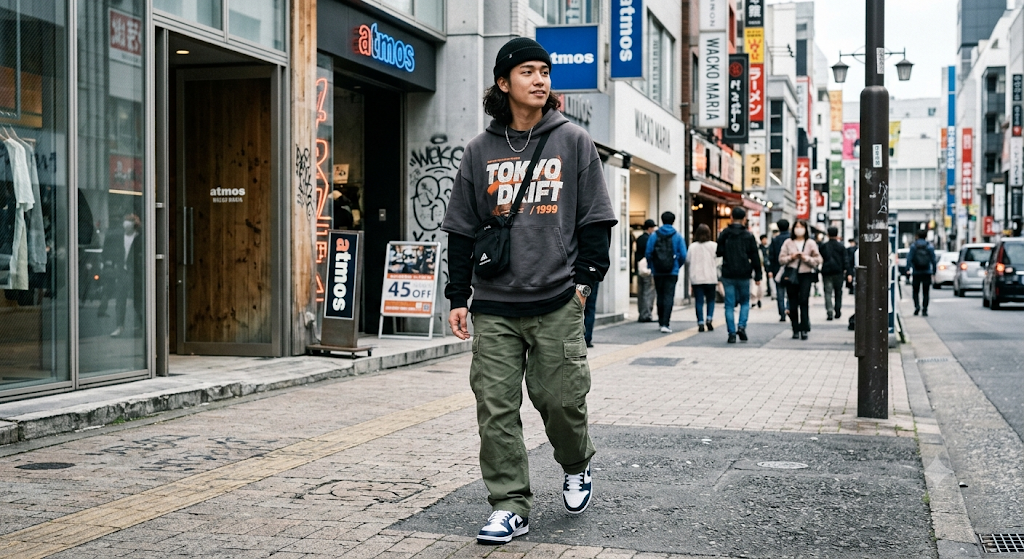
Layer Streetwear isn’t complicated. It’s just wearing more than one piece intentionally. Most people throw on a hoodie over a tee and call it a day, which works fine until you realize the two pieces fight each other instead of working together. A good layer happens when you understand weight, silhouette, and how fabric sits against fabric. Once you get that, you stop thinking about layering and it just becomes how you dress. This guide walks through the fundamentals, then shows you how to move beyond basic stacking into actual outfit building.
Understanding Fabric Weight and How It Stacks
Every piece you own has a weight. A heavyweight graphic tee might be 6 ounces per yard. A standard hoodie runs 12 to 15 ounces. A coach jacket sits at 8 to 10 ounces. When you layer pieces with similar weights, they compete for the same visual space and make the whole outfit look bulky. When you layer with intention, the pieces talk to each other. A lightweight long sleeve under a medium weight hoodie looks clean and proportional. The thin fabric creates a base without adding bulk, while the hoodie sits on top with authority. The opposite doesn’t work. A heavy hoodie under a thin tee just looks sloppy. You wear the heavier pieces outside and build toward them from the inside.
Start by cataloging what you own. Write down the rough weight of each piece. Cotton tees are usually light, heavyweight hoodies are dense, and most jackets split the difference. Once you know that, you can start making choices that actually work instead of just guessing. A good rule to follow is this: each layer should get progressively heavier as you move outward. Light base, medium middle, heavy top.
The Foundation Layer: Why It Matters More Than You Think
The piece closest to your skin sets the entire tone for the outfit. Most people ignore this and just grab whatever tee is on top of the pile. That’s a missed opportunity. A clean white long sleeve under a bold graphic hoodie creates clean contrast. The white base makes the graphic jump. A printed long sleeve under that same hoodie creates visual chaos because the eye doesn’t know where to land. The foundation layer is your chance to either amplify or tone down everything above it.
Fit matters here too. If your long sleeve is oversized, the whole stack sits baggy and shapeless. If it’s fitted, it creates structure under the looser pieces. Most streetwear works because the foundation is crisp and intentional. A neutral color is almost always the right choice. Black, white, grey, and cream create platforms for everything else. Busy prints should stay in the middle or outer layers where they shine. This is a small thing that changes everything.
Creating Visual Contrast Through Layering
Contrast is the secret weapon of outfit building. Let’s break down where it works.
Here are five layering contrast techniques that transform basic pieces into interesting outfits:
- Light base with dark middle and dark top creates depth and draws the eye toward the center
- Patterned hoodie over solid tee makes both pieces pop instead of competing
- Oversized outer layer over fitted base creates silhouette interest
- Cropped jacket over longer tee creates intentional negative space
- Monochrome with slight shade variation feels intentional instead of accidental
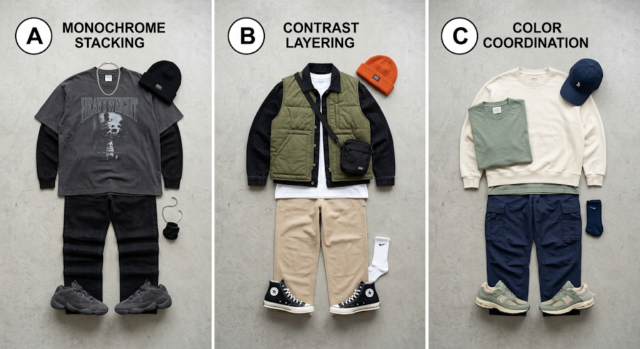
The best outfits use at least two of these techniques at once. A dark tee under a light hoodie with an oversized jacket over top creates height, contrast, and visual movement all at once. Your eye travels through the outfit instead of getting stuck on one piece. This is why some outfits feel effortless while others look confused. Contrast gives permission for different pieces to coexist. Without it, everything blurs together.
Sleeves, Cuffs, and the Details That Sell the Fit
Small details carry outsized weight in layering. Sleeve placement is the first thing people notice even if they don’t realize it. When you layer a long sleeve under a short sleeve, the long sleeve should peek out about half an inch at the wrist. That small amount of fabric creates intentionality. It says you thought about this. If the long sleeve covers the short sleeve or if you can’t see it at all, the whole fit feels accidental. If too much shows, it looks sloppy. That half inch is the sweet spot.
Cuffs work the same way. Roll your pants once if you’re wearing sneakers with a stacked leg. Leave them unrolled if you want drama and length. Layer a cuff from one piece over the cuff of another deliberately. Many of the cleanest streetwear fits you see online use cuff stacking as a technical element, not just an aesthetic choice. The cuff becomes a visual marker that separates layers and creates rhythm. Pay attention to how professional fits use cuffs and you’ll start seeing the technique everywhere.
Building Your First Layered Outfits
Start simple and build from there. Most people fail at layering because they try to get fancy before they understand the fundamentals. Here are five starter outfit frameworks that actually work:
- Framework 1: White tee plus black hoodie plus black pants equals clean foundation every time
- Framework 2: Neutral tee plus hellstar graphic hoodie plus relaxed jeans creates balanced contrast
- Framework 3: Long sleeve base plus oversized jacket plus fitted bottoms makes different silhouettes coexist
- Framework 4: Monochrome earth tones stacked create depth through shade rather than color shock
- Framework 5: Light base plus medium jacket plus bold pants moves the focal point downward
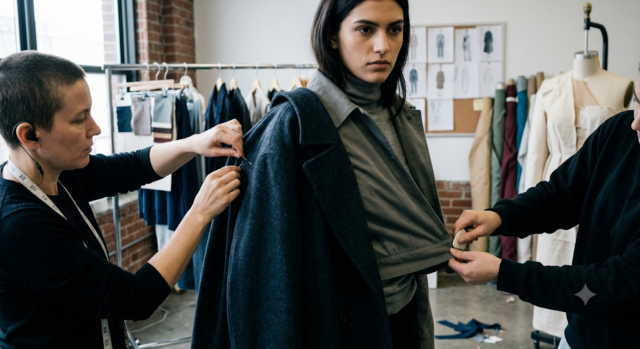
These frameworks aren’t rules, they’re starting points. Once you nail one, you understand the principle underneath and can adapt it. A tee and hoodie combo teaches you about color contrast and how weights stack. That knowledge transfers to every outfit you build afterward. Spend two weeks wearing variations on one framework before moving to the next. It sounds boring but your eye will level up faster than if you jump around randomly.
Fit Silhouettes and How They Change With Each Layer
Streetwear silhouettes fall into a few categories: oversized, relaxed, fitted, and cropped. When you layer, you’re combining silhouettes and that’s where complexity lives. An oversized hoodie over a fitted long sleeve creates visual interest through contrast. Oversized over oversized looks intentional only if there’s a visible size difference or color separation. Fitted over fitted works in monochrome. Mix fitted and oversized is the safest choice for beginners because the pieces automatically create their own space.
Most expert fits use oversized outer layers paired with intentionally fitted bases. The looseness sits on top of structure. Your eye reads the fit immediately instead of wondering why the whole outfit looks confused. This is why people who have never studied fashion still look good in streetwear. The oversized jacket does the heavy lifting. For Travis Scott shoes and sneaker focused fits, oversized top with tapered bottom works nearly every time. The shoes get space to breathe and the top doesn’t fight the bottoms for attention.
The Role of Color in Layering Success
Color layering is where people get nervous and that’s when outfits fall apart. Three colors maximum is the rule most expert fits follow. That could be black, white, and one statement color. Or three shades of one color family. Or two neutrals and one accent. More than three colors usually reads as busy unless you’re deliberately building a multicolor technical outfit. Stick with three for now.
Contrast matters more than matching. A brown hoodie over an olive long sleeve doesn’t match perfectly but it reads as intentional because the shades are different enough. The same brown hoodie over a light cream long sleeve creates bigger visual separation. Both work. A brown hoodie over a brown long sleeve reads as sloppy unless there’s at least a full shade difference between them. Small color variations feel accidental. Big shifts feel intentional. Design your outfits around this principle.
Neutral bases, warm tone middles, cool tone tops is one strategy that almost always works. Or reverse it. The principle is creating temperature variation through color. This happens naturally in good fits because most people instinctively reach for balanced pieces. Notice which color combinations you keep returning to. That’s your instinct telling you what works for your eye.
Finding Your Layering Style and Building From There
Street wear layering comes down to personal preference once you understand the fundamentals. Some people love monochrome. Some people build around one accent color. Some people layer entirely around silhouette and skip complex color work. All of these approaches work as long as the principles underneath stay solid. Heavier on the outside, intentional contrast, visible details that show you thought about it. Follow those rules and your personal style will emerge naturally.
After a few months of deliberate layering, you’ll start seeing outfits in your head before you build them. A piece will sit in your closet and you’ll immediately know what goes underneath and on top. That’s when layering stops being a technique and becomes how you think about getting dressed. You can shop for individual pieces instead of needing everything to coordinate perfectly because you understand how to make different pieces coexist. This is the real value of learning layering. Geedup and similar brands are built on this principle. You can buy single pieces and they work with everything else in your rotation because the silhouettes and weights are intentional.
Advanced Techniques: When You’re Ready to Experiment
Once you’ve spent time with basic layering, there are variations worth exploring. Oversizing just one layer while keeping everything else fitted. Mixing totally different fabric textures like cotton over linen. Playing with unexpected color combinations that shouldn’t work but do. Adding an accessory layer like a chain or bag that sits outside the main fit. Cropping pieces intentionally so different layers peek through in strategic spots. None of these techniques work if you don’t understand the fundamentals first.
The best way to learn advanced techniques is by paying attention to how experienced dressers build fits. Don’t copy directly. Instead, understand the principle they’re using. Are they layering for visual height? For texture contrast? For color movement? Once you identify the principle, adapt it to your own pieces and style. This is how you develop a point of view instead of just copying what you see.
Final Words
Streetwear layering is a skill like any other. You start with fundamentals and build from there. Heavier pieces on the outside, light bases for contrast, intentional details that show you thought about the outfit. Follow those rules and almost every piece you own suddenly works together. It’s not about having the perfect collection. It’s about understanding how pieces relate to each other. Once you get that, building outfits becomes fun instead of stressful.
FAQ BLOCK
Q: How many layers is too many for streetwear?
A: Three to four layers is the typical maximum before an outfit looks overstuffed. An undershirt, a tee or long sleeve, a hoodie or jacket, and maybe a coat equals four pieces. Beyond that usually creates bulk instead of interest. Stick with three to four until you understand how fabrics interact.
Q: Should all my layers match in color?
A: No. Most good fits use two to three colors maximum, but they don’t have to match. A brown hoodie and cream long sleeve create enough contrast to feel intentional. The more shades vary, the more intentional the outfit reads. Subtle variations between pieces usually look accidental. Bold shifts look designed.
Q: What if I only own oversized pieces?
A: Oversized layering still works if you focus on color and silhouette contrast instead of fit contrast. Pair oversized with fitted bottoms. Use color separation to make the pieces feel distinct. Add visible details like rolled cuffs or peeking sleeves to create intentionality.
Q: Can I layer two graphic pieces together?
A: Rarely. One graphic piece per outfit is usually the move. If you layer two, one needs to be much smaller or muted so it doesn’t fight the other for attention. A small graphic long sleeve under a bold hoodie can work if the colors separate cleanly.
Q: How do I know if a layer is too heavy?
A: If the outer layer overwhelms the fit and you can’t see your base layer or what’s underneath, it’s probably too heavy. You want each layer visible and contributing to the overall silhouette. A good test is asking if removing the top layer significantly changes how the outfit reads. If it doesn’t, you might not need it.