

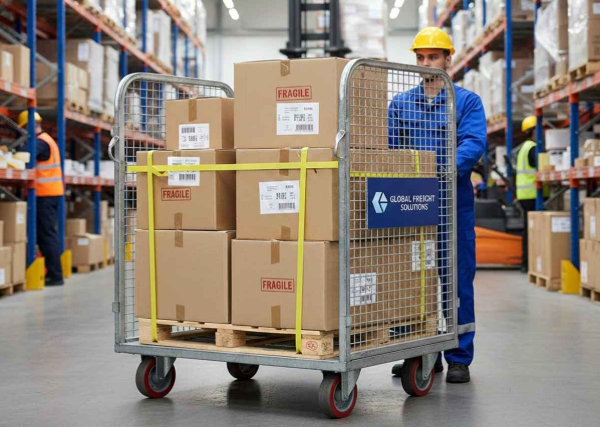
A Logistic Trolley is a crucial tool in warehouses, factories, and commercial environments. It enables smooth transportation of goods while minimizing physical strain on staff. However, these trolleys are prone to wear and tear without regular maintenance. Proper care ensures safety, reliability, and long-term durability in daily operations.
Neglecting maintenance can result in unexpected breakdowns, increased repair costs, and workplace hazards. Consistent upkeep preserves performance and extends the trolley’s lifespan significantly. Implementing a systematic maintenance routine maximizes operational efficiency. Well-maintained trolleys contribute to smoother workflows and better productivity.
Regular Cleaning of the Trolley
Cleaning a Logistic Trolley is the most basic yet essential step in maintenance. Dust, dirt, and debris accumulate on wheels, handles, and shelves over time. Removing this buildup prevents operational issues and maintains smooth movement. Routine cleaning also reduces the risk of corrosion and structural damage.
Use a mild detergent with a damp cloth for metal surfaces carefully. Avoid harsh or abrasive chemicals that can scratch or damage the finish. Pay attention to corners, edges, and joints where dirt often collects. Consistent cleaning ensures the trolley remains safe, functional, and visually professional.
Inspect Wheels and Casters Frequently
Wheels and casters are the most important components for trolley mobility. Frequent inspections detect wear, cracks, or alignment issues early, preventing serious damage. Ensure wheels rotate smoothly and listen for unusual noises during movement. Addressing minor issues early reduces downtime and costly repairs.
Check swivel casters to confirm they rotate freely without obstruction or wobble. Replace any damaged or excessively worn wheels promptly to maintain stability. Proper maintenance of wheels also protects flooring from scratches and dents. Ensuring smooth movement reduces strain on the frame and improves trolley efficiency.
Lubrication of Moving Parts
Lubricating moving parts ensures that a Logistic Trolley operates smoothly and efficiently. Reducing friction prevents rust and protects wheel bearings, hinges, and axles from premature wear. Proper lubrication also avoids squeaking and stiffness in moving mechanisms. Regular maintenance of these components enhances overall performance.
- Wheel Bearings: Apply light oil or grease to reduce resistance and noise.
- Hinges and Joints: Lubricate to maintain flexibility and avoid stiffness.
- Axles and Rollers: Clean off dust before lubrication to prevent grinding damage.
- Handle Mechanisms: Ensure folding or adjustable handles move smoothly without obstruction.
Tighten Loose Screws and Bolts
Continuous use can cause screws, nuts, and bolts to loosen over time. Regularly inspect all fasteners to maintain structural integrity and safety. Loose components can compromise stability and increase the risk of accidents. Tightening screws prevents minor problems from escalating into serious damage.
Use appropriate tools to secure all bolts firmly without over-tightening. Over-tightening can strip threads or damage metal parts, reducing the trolley’s durability. Ensuring fasteners are secure preserves frame strength and handle stability. Regular checks maintain operational safety and reliable performance during heavy use.
Check for Rust and Corrosion
Metal parts are susceptible to rust, particularly in humid or wet conditions. Inspect exposed surfaces frequently to catch early signs of corrosion before damage occurs. Rust weakens the frame and may compromise the trolley’s functionality. Proactive care prevents long-term deterioration and operational failure.
Treat rusted areas with a wire brush and apply a protective coating or paint. Consider stainless steel or galvanized parts in moisture-prone environments for added resistance. Consistent monitoring ensures corrosion does not worsen over time. Timely treatment preserves both appearance and structural integrity.
Avoid Overloading the Trolley
Exceeding the manufacturer’s weight limit is a major risk for a Logistic Trolley. Overloading stresses wheels, axles, and the frame, causing deformation or breakage. Following specified limits ensures safe operation and longevity of the equipment. Proper weight management also reduces the risk of accidents in the workplace.
Clearly label the trolley with maximum load capacity to guide staff during use. Distribute weight evenly to prevent strain on specific components. Overloading can accelerate wear on bearings and wheels, shortening lifespan. Adhering to capacity recommendations maintains smooth and safe movement consistently.
Store Trolleys Properly
Proper storage prevents unnecessary damage and prolongs trolley life significantly. Consider these best practices to maintain condition and safety:
- Dry Environment: Store trolleys in a moisture-free, sheltered area to avoid rust.
- Off the Floor: Keep trolleys elevated on shelves or racks to protect wheels.
- Avoid Stacking: Only stack if the trolley is designed for stacking to prevent deformation.
- Safe Positioning: Place trolleys where they are unlikely to be knocked over or bumped.
Schedule Professional Maintenance
Scheduling regular professional maintenance is important for a Logistic Trolley. Skilled technicians can identify hidden faults, perform detailed lubrication, and replace worn components efficiently. For businesses using high-quality products like a Warehouse Trolley Malaysia, professional servicing ensures long-term durability. Regular service minimizes the risk of sudden breakdowns or operational failure.
Periodic professional checks ensure trolleys with hydraulic or complex mechanisms remain functional. This investment preserves safety, reliability, and structural strength. Regular service extends operational lifespan and reduces costly downtime. It is essential for maintaining high-performance warehouse operations efficiently.
Keep a Maintenance Log
Maintaining a log of inspections, repairs, and servicing provides valuable documentation. It allows tracking of recurring issues and helps schedule preventive maintenance accurately. Detailed records support proactive care and accountability within the workplace.
A maintenance log also identifies when components require replacement. It ensures consistent adherence to care routines and minimizes unexpected failures. Documentation improves overall trolley management efficiency. Keeping accurate records safeguards both equipment and operational workflows over time.
Train Staff on Proper Usage
Proper handling is crucial to prolonging the life of a Logistic Trolley and preventing accidents. Staff should be trained in correct loading, movement, and obstacle awareness. Educated operators reduce the risk of mechanical wear and damage. Training ensures consistent, safe use of the trolley in daily operations.
- Safe Loading Practices: Evenly distribute weight and avoid exceeding capacity.
- Correct Movement: Push rather than pull to reduce stress on wheels and axles.
- Awareness of Obstacles: Avoid rough surfaces or debris to prevent damage.
- Proper Handling of Hinges: Operate folding or adjustable handles correctly to prevent wear.
Use Quality Replacement Parts
Replacing worn or damaged parts with high-quality components ensures continued reliability. Inferior parts may fail prematurely and cause additional damage to the trolley. Manufacturer-approved replacements maintain design specifications and performance.
Use certified wheels, bearings, and fasteners to ensure proper fit and function. High-quality parts reduce recurring breakdowns and maintenance costs. Investing in reliable components improves long-term trolley durability. Proper replacement practices maximize safety, efficiency, and operational life.
Trustworthy Place to Buy
For businesses looking for reliable and durable equipment, 3D-Tube is a trustworthy place to buy. They specialize in providing high-quality solutions for LEAN manufacturing processes. Their products, including trolleys, are designed for efficiency and long-term performance. Partnering with 3D-Tube ensures you get equipment built to industrial standards.
With 3D-Tube as your partner, you gain access to dependable tools that enhance productivity and workflow. Their expertise in LEAN manufacturing ensures every solution meets practical operational needs. It provides peace of mind, durability, and consistent performance. It is the ideal choice for businesses seeking efficiency and reliability.
Conclusion
Maintaining a Logistic Trolley requires consistent attention to cleaning, lubrication, inspection, and rust prevention. Tightening fasteners and adhering to weight limits are also essential steps. A structured maintenance routine maximizes safety, performance, and longevity.
Proper storage, professional servicing, staff training, and quality replacements enhance the trolley’s durability further. Maintaining a detailed log enables proactive upkeep and reduces unexpected downtime. Consistent care ensures trolleys remain reliable, safe, and efficient for years in any workspace.