

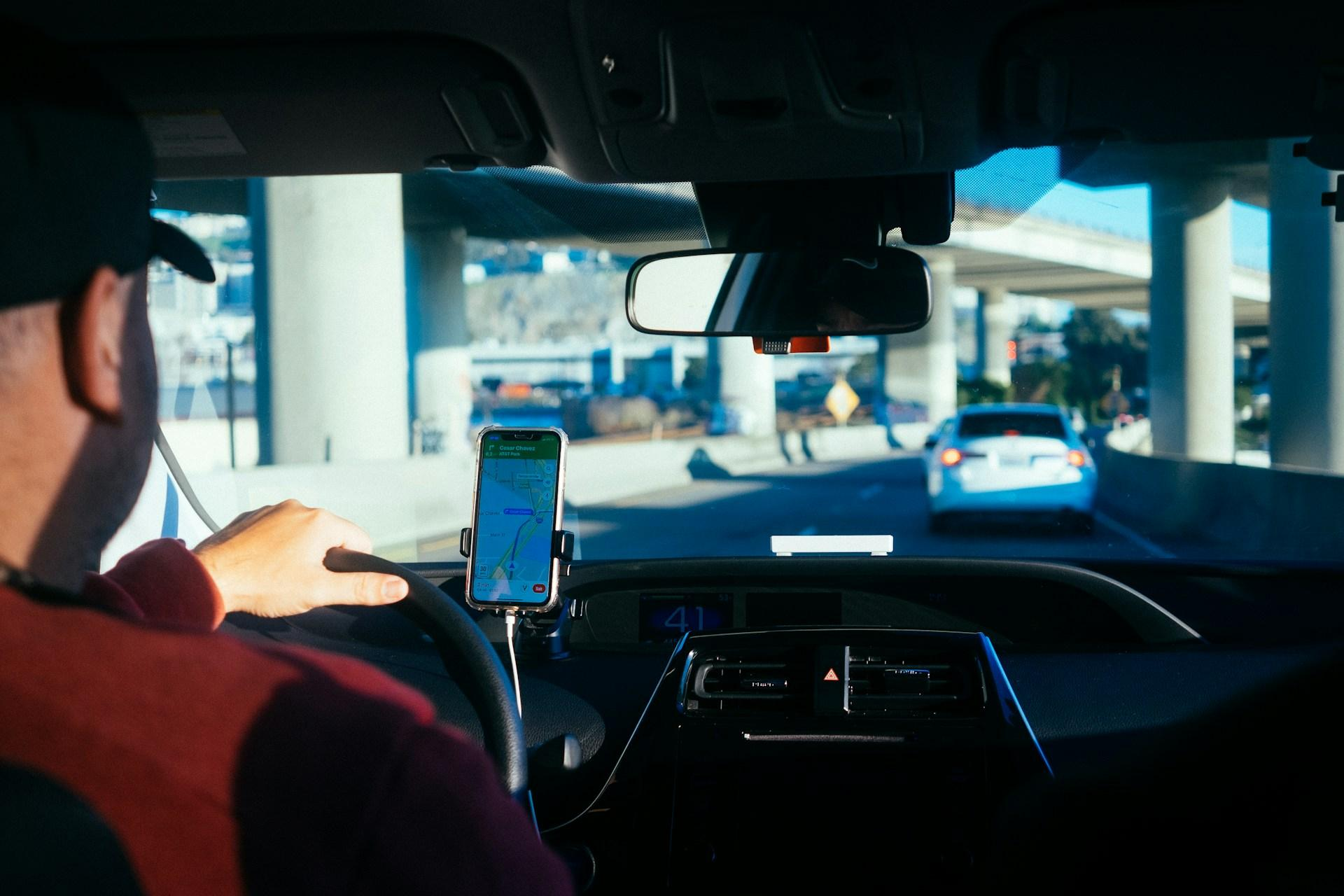
Rideshare services like Uber and Lyft have become a normal part of everyday transportation in Manhattan Beach. Whether heading to the pier, commuting along Sepulveda Boulevard, or catching a ride home from a night out, these convenient platforms have changed how people travel. But when a rideshare trip ends in a crash, the claims process can become confusing quickly. Understanding your rights, the insurance layers involved, and what evidence to collect is essential for protecting yourself.
This guide breaks down everything you need to know about handling a rideshare accident claim in Manhattan Beach from start to finish.
Understanding the Unique Nature of Rideshare Accidents
Rideshare collisions share similarities with regular car accidents, but they also involve additional complexities. Because drivers operate as independent contractors and use their personal vehicles, questions about liability and insurance coverage often arise.
This creates a multilayered claims process that passengers, pedestrians, and other drivers must navigate carefully.
Why Rideshare Accidents Are Different
Rideshare crashes often involve overlapping insurance policies, each applying only during certain stages of the driver’s app usage. Unlike a standard collision, where only the driver’s personal auto insurance applies, rideshare cases introduce corporate insurance policies, app-based coverage periods, and sometimes disputes about whether a driver was “active” at the time of the crash.
These distinctions make it especially important to understand what type of claim you are dealing with before taking action.
Determining Liability in a Manhattan Beach Rideshare Crash
Because multiple parties may be involved, establishing fault can be more complex than expected. Liability may rest with one or several individuals or entities depending on the circumstances.
Possible Liable Parties
Several parties may ultimately be responsible for your damages, including:
- The rideshare driver
- Another driver involved in the accident
- A third party (such as a pedestrian or cyclist)
- Vehicle manufacturers if mechanical failure contributed
- Companies responsible for road maintenance if poor conditions played a role
In some cases, liability must be split between multiple parties. Determining who is responsible is essential for pursuing proper compensation.
How App Status Affects Liability
The rideshare driver’s app status is one of the most important factors in determining which insurance policy applies.
App Off:
If the driver was not logged into the rideshare app, their personal auto insurance is the only policy available.
App On, Waiting for Ride Request:
If the driver was online but had not yet accepted a ride, limited liability coverage from the rideshare company may apply.
Ride Accepted or Passenger in Vehicle:
If the driver had accepted a trip or was actively transporting a passenger, the highest level of rideshare company insurance applies. This typically includes generous liability coverage and often uninsured/underinsured motorist protection.
These distinctions can strongly influence the outcome of a claim, so documenting the driver’s status at the time of the crash is crucial.
Steps to Take Immediately After a Rideshare Accident
What you do in the minutes and hours after the accident can significantly impact your claim. Taking clear, organized steps helps preserve evidence and protect your legal rights.
Get Medical Attention
Your health always comes first. Even if you feel fine, many injuries — including whiplash, soft-tissue damage, or concussions — may not appear until hours or days later. Getting evaluated by a medical professional not only protects your wellbeing but also creates documentation essential for your claim.
Document the Scene Thoroughly
If it is safe to do so, gather as much information as possible at the accident site. You should:
- Take photos and videos of the vehicles, property damage, debris, and road conditions
- Capture screenshots from the rideshare app showing your ride details
- Collect the names, phone numbers, and insurance information of involved drivers
- Obtain witness statements if people saw what happened
The more documentation you collect early on, the easier it becomes to strengthen your case.
Report the Accident Properly
You should report the collision to:
- Local law enforcement for an official police report
- The rideshare company (through their in-app support features)
- Your own insurance provider, even if you were a passenger
Police reports in Los Angeles County are often crucial pieces of evidence. They may include important observations, citations, diagrams, and statements that help establish fault. You can also review general legal guidance about car accident procedures using resources like FindLaw’s overview of car accident basics, which explains how typical claims proceed and what victims should expect.
Navigating the Insurance Claims Process in Rideshare Crashes
The involvement of corporate insurers introduces additional layers of complexity. Each insurer may attempt to limit its responsibility, so understanding how the system works is important.
Rideshare Company Insurance Coverage
Uber and Lyft provide different types of coverage depending on the driver’s app status. When the driver is transporting a passenger or en route to pick one up, coverage typically includes:
- Up to $1 million liability coverage
- Uninsured/underinsured motorist coverage
- Contingent collision and comprehensive coverage
However, insurers often dispute details such as whether the driver was “active,” whether your injuries were pre-existing, or whether your losses meet certain thresholds.
Personal Insurance Policies
In some cases, the driver’s personal insurer may share responsibility for damages. But many personal policies contain exclusions for commercial activity, which can lead to disputes. Rideshare insurers may argue that the driver was offline, while personal insurers may claim the driver was engaged in commercial driving.
This back-and-forth can delay claims, making the process more stressful for victims.
Third-Party Insurance Claims
If another driver caused the accident, you may end up filing a claim with that driver’s insurance instead of the rideshare company. This is common in multi-vehicle collisions, especially when the rideshare driver did nothing wrong.
In these situations, gathering evidence quickly becomes even more important.
Types of Compensation Available in Manhattan Beach Rideshare Crashes
If you were injured in a rideshare accident, you may be eligible to seek compensation for various types of losses.
Economic Damages
These cover measurable financial losses such as:
- Medical bills
- Lost income
- Future lost earning capacity
- Property damage
Documentation is key. Keep receipts, invoices, and treatment plans organized so you can support your claim later.
Non-Economic Damages
Many injuries affect more than just your finances. You may also be entitled to compensation for:
- Pain and suffering
- Emotional distress
- Loss of enjoyment of life
- Anxiety or trauma related to the crash
These damages are more subjective, which is why thorough medical records and consistent treatment matter.
Punitive Damages
Punitive damages are rare, but they may apply if the at-fault party engaged in extreme negligence, such as excessively reckless driving or intoxication.
Why Legal Representation Matters in a Rideshare Accident Claim
Because of the complexity of rideshare crashes, having legal guidance can significantly impact your outcome. Rideshare companies and insurers have teams of attorneys trained to minimize payouts. You should never assume they will voluntarily offer fair compensation.
Working with a trusted Manhattan Beach rideshare accident lawyer can help ensure your case is handled properly from the beginning.
Experienced firms that regularly handle rideshare claims often appear in reputable legal directories, including listings such as the Super Lawyers profile for The Ryan Law Group, which provides additional details about their background and recognition in the field. These types of resources help victims identify knowledgeable firms with strong reputations.
Moving Forward After a Manhattan Beach Rideshare Accident
Navigating the aftermath of a rideshare crash can feel overwhelming, but you do not have to manage it alone. Understanding your rights, documenting everything, and securing professional guidance ensures that you are protected every step of the way.
From determining liability to negotiating insurance claims and securing fair compensation, the process requires careful handling. With the right support, you can focus on your recovery while protecting your financial stability and long-term wellbeing.