

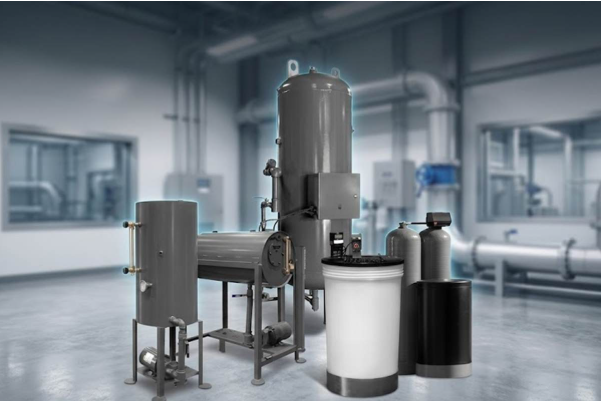
Requesting a quotation from a Boiler Supplier Malaysia is an essential step for industries that depend on steam and thermal energy systems. Boilers are widely used in manufacturing plants, food processing facilities, palm oil mills, and chemical industries. Because these systems directly influence production efficiency, energy consumption, and operational safety, the quotation stage becomes a critical part of the purchasing process.
A quotation request is not simply about asking for pricing. It involves clearly communicating technical needs, expected performance, and operational conditions so that suppliers can recommend the most suitable solution. A well-prepared request helps ensure accurate pricing, appropriate system design, and long-term operational efficiency.
Understand Your Requirements Clearly
Before contacting any Boiler Supplier Malaysia, it is important to fully understand your internal requirements. Many quotation issues arise due to incomplete or unclear information from the buyer’s side. The first step is identifying the purpose of the boiler system, whether it is for steam generation, heating processes, sterilization, or industrial manufacturing support.
Capacity planning is also a key factor. The boiler must be able to meet both average and peak steam demands. If the system is undersized, it will struggle to maintain production requirements. If it is oversized, it will lead to unnecessary fuel consumption and higher operational costs. Proper load assessment ensures balanced performance and cost efficiency.
Fuel selection is another important consideration. In Malaysia, boilers commonly operate using diesel, natural gas, biomass, or electricity. Each fuel type has different cost implications, availability factors, and efficiency levels. Choosing the right fuel early in the process helps suppliers provide more accurate and relevant quotations.
Prepare Technical and Site Information
Once your requirements are defined, the next step is to prepare technical details and site-related information. This includes operating pressure, temperature requirements, and automation preferences. Some industries require advanced control systems, while others may operate with simpler configurations depending on their production needs.
Site conditions are also very important for accurate quotations. Suppliers need to know the available installation space, layout restrictions, and accessibility for equipment delivery. In some cases, structural modifications or additional civil work may be required, which can affect the final cost.
If you are replacing an existing boiler, it is helpful to provide current system data such as fuel consumption, operational issues, and performance limitations. This allows suppliers to design better and more efficient solutions tailored to your facility.
Select and Evaluate Suppliers
Choosing the right supplier is a critical step in the quotation process. A reliable Boiler Supplier Malaysia should have strong technical expertise, industry experience, and a proven track record of successful installations across different sectors. Their ability to provide consultation, system design, and after-sales support is equally important.
When evaluating suppliers, consider their experience across different industries, the brands they represent, and the complexity of projects they have handled. A supplier with diverse experience is more likely to understand your specific requirements and offer practical solutions.
It is also recommended to approach multiple suppliers. Comparing quotations allows you to assess differences in pricing, service scope, and technical recommendations. This ensures you make a well-informed decision based on value rather than price alone.
Prepare a Proper Quotation Request
A well-structured quotation request (RFQ) helps suppliers understand your requirements clearly and respond accurately. It should begin with a brief introduction of your company and the purpose of the boiler system. This sets the context for your request.
You must clearly list technical specifications such as capacity, fuel type, pressure range, and automation level. If advanced systems like Fulton Boiler are under consideration, this should be clearly mentioned to help suppliers align their proposals with your expectations.
It is also useful to include supporting documents when necessary. These may include:
- Site layout drawings
- Process flow diagrams
- Existing boiler performance data
- Project timelines or urgency level
Including this information reduces miscommunication and improves quotation accuracy.
Communicate Effectively with Suppliers
Once the quotation request is ready, it should be sent through professional communication channels such as email or official inquiry forms. Email is often preferred because it allows structured communication and document sharing.
During communication, it is important not only to ask for pricing but also to clarify important details about the quotation. You should confirm what is included in the offer, such as installation, commissioning, training, and transportation services. Asking about warranty coverage and spare parts availability is also essential.
Effective communication helps build trust and ensures that both parties clearly understand the project scope. It also reflects the supplier’s professionalism and responsiveness, which are important indicators when choosing a long-term partner.
Evaluate the Received Quotations
After receiving quotations, careful evaluation is necessary to make the right decision. When dealing with a Boiler Supplier Malaysia, it is important not to focus only on the lowest price but also on long-term value, efficiency, and reliability.
A proper evaluation should include system performance, fuel efficiency, maintenance requirements, and expected lifespan. A more efficient system may have a higher initial cost but can significantly reduce long-term operational expenses.
It is also important to carefully review what is included in each quotation. Some offers may include installation, commissioning, and training, while others may charge separately for these services. Understanding these differences helps avoid unexpected costs during project execution.
Final Discussion and Agreement
After shortlisting the most suitable supplier, further discussions are usually required to finalize technical and commercial terms. At this stage, minor adjustments may be made to specifications, pricing structure, or delivery schedules based on mutual agreement.
It is essential to ensure that all agreed terms are properly documented. A final agreement should clearly state:
- Technical specifications of the boiler system
- Total cost and payment terms
- Delivery and installation responsibilities
- Warranty and after-sales service conditions
Having everything in writing ensures transparency and prevents misunderstandings during project execution.
Why ATESB is Preferred?
Advance Thermal Engineering Sdn. Bhd. (ATESB) is widely recognized as a trusted partner in industrial steam and thermal energy solutions in Malaysia. As a dependable Fulton boiler supplier in Malaysia, it provides high-quality boiler systems for manufacturing energy sectors. The company is known for reliable performance, strong technical expertise, and solutions that support efficient long-term industrial operations and stability.
ATESB offers complete boiler solutions including design, installation, commissioning, and after-sales service. This ensures clients receive fully integrated systems tailored to their needs. Its focus on efficiency and reliability helps reduce operating costs while maintaining consistent steam performance. Strong customer support and dependable service make it a preferred choice in Malaysia.
Conclusion
Requesting a quotation from a Boiler Supplier Malaysia is a structured process that requires careful preparation, clear communication, and detailed evaluation. It is not simply about comparing prices but about ensuring that the supplier fully understands your operational needs and technical requirements.
By preparing accurate specifications, selecting experienced suppliers, and evaluating quotations thoroughly, businesses can make informed decisions that improve efficiency and reduce long-term operational costs. A well-managed quotation process ultimately leads to better system performance, reliable installation, and stronger long-term supplier relationships.