

Introduction
If puppies could write diaries, most of them would probably read like: “Woke up. Ate. Chased my tail. Chewed something I wasn’t supposed to. Fell asleep mid-play.”
Adorable? Absolutely. But here’s the thing, behind that cuteness is a little brain soaking up every experience like a sponge. The way you shape their day now will define the kind of dog they become for the rest of their life.
Think of a puppy’s routine as their life playlist. You get to decide what songs (activities) go in, how often they play (timing), and how balanced the mix is between training beats, play melodies, and quiet moments.
The Importance of a Routine for Your Puppy’s Growth
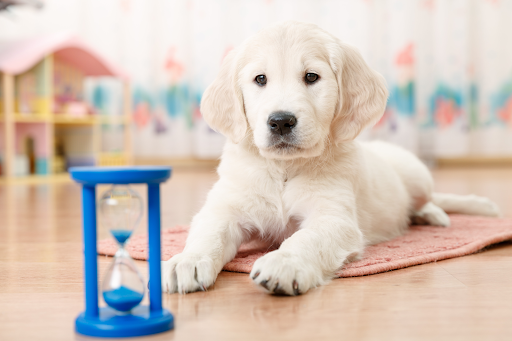
A daily routine isn’t about turning your pup into a little robot; it’s about giving them a sense of “I know what’s coming next.” Puppies who have predictable days are calmer, less anxious, and less likely to develop unwanted behaviours like constant barking or chewing everything in sight.
Here’s a fresh thought: don’t just set a routine for feeding and walking. Include “micro-adventures” at the same time each day. Maybe it’s a 10-minute sniff-around in a different part of the garden, or a quick trip to watch the ducks in the park. Predictable novelty sounds like a contradiction, but it keeps your pup curious without overwhelming them.
Daily Training Habits for a Well-behaved Puppy
This is where training becomes part of the routine, not just something you “get around to”. Using dog collars Ireland that fit well and feel comfortable can make a world of difference in training walks, especially when you want your pup to focus on you and not on how itchy their neck feels.
Try this: instead of one big, long training session, sprinkle short, two-minute “learning breaks” throughout the day. Teach one small cue in the morning, another at lunch, and a fun trick in the evening. By bedtime, your puppy has learnt more than they would in a half-hour session, and without losing interest. Think of it as snack-sized lessons for a snack-loving brain.
Tips for Socialising Your Puppy to Build Confidence
Most people imagine socialisation as simply “meet as many dogs as possible”. But confidence comes from variety, not just quantity. Yes, let them greet friendly dogs, but also let them experience different floor textures, hear unusual sounds, and meet people carrying umbrellas or wearing hats.
One trick I’ve used, “confidence walks”. Once a week, take your puppy somewhere unusual but safe, like a quiet cafe terrace or a bus stop bench (without boarding the bus). Sit together, let them watch the world, and reward calm behaviour. It’s like giving them a mental scrapbook of “strange but safe” moments they can rely on later in life.
Establishing a Reliable Feeding Routine for Your Puppy
Feeding time is more than just filling the bowl. Serve meals at the same time each day, and create a little pre-meal ritual, maybe a “sit” and a gentle hand-stroke before you put the bowl down. This adds structure and teaches patience.
Here’s a fresh twist: occasionally hand-feed a portion of their meal during training. It strengthens your bond and keeps their mind engaged. Also, using different feeding stations in your home once in a while (kitchen one day, hallway the next) can help prevent food-guarding behaviours because your pup learns “food can happen anywhere, and it’s always safe.”
Keeping an Eye on Your Puppy’s Health with Daily Routines
Health checks shouldn’t only happen at the vet. Include a quick at-home check into your daily routine, run your hands gently over your pup to feel for any bumps, check their ears, look at their eyes, and peek at their paws. If they get used to this from an early age, vet visits become far less stressful.
A new idea? Keep a “puppy wellness journal”, just a simple notebook where you jot down their meals, toilet habits, training progress, and any odd behaviour. Eventually, noticing certain habits can assist you in identifying potential problems long before they escalate.
Conclusion
A happy puppy begins with tail wagging and gentle daily routines. Instead of strict schedules, it’s about routine, and most importantly, abundant affection. Short training sessions, daily feeding, comfortable gear like dog collars from Ireland, and even some fun socialisation trips all contribute. Best of all, it’s sweet to notice that routines feel just as delightful for you as for them.