

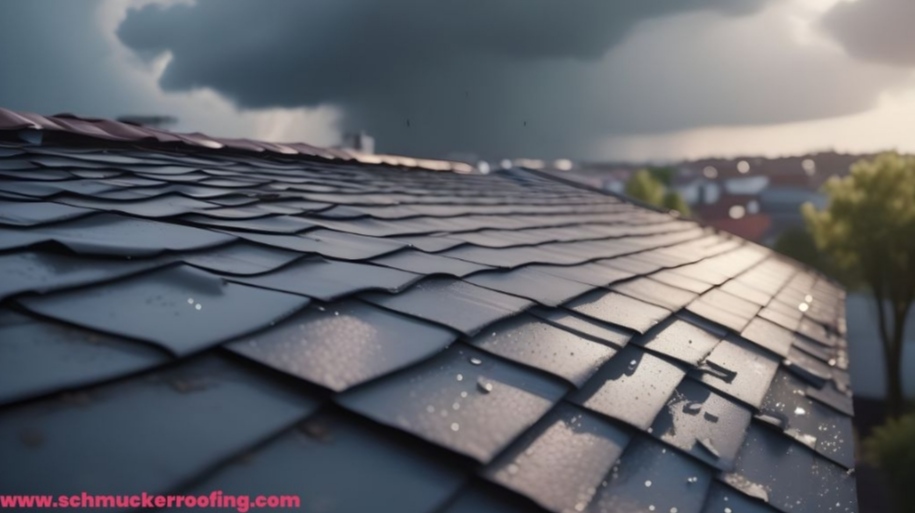
As a homeowner, it’s important to inspect your roof for damage after a storm. Damage to your roof can result in costly repairs if not addressed quickly. Fortunately, there are some easy steps you can take to inspect your roof and spot any damage. In this blog post, we’ll provide a guide for homeowners to help them identify and address any roof damage that may have occurred after a storm.
Your Guide to Spotting Roof Damage After a Storm
As a homeowner, there’s nothing more important than keeping your house in tip-top shape. After a storm, one of the most important areas to inspect is your roof. If you don’t take the time to check it over, you could end up with a costly repair bill. That’s why it’s important to know how to spot roof damage after a storm. We’ll provide you with a guide for homeowners on how to do just that. We’ll go over the common signs of roof damage, what to look for, and what to do if you find any damage.
Look for Shingle Damage
After a storm, it is important to inspect your roof for any damage caused by the weather. One of the most common forms of damage to a roof is damage to the shingles. You should look closely at each shingle to ensure there is no cracking, tearing, or missing sections. Also, be sure to check for any curled or buckled shingles as these can be signs of a more serious problem. If you find any shingles that have been damaged in some way, it’s best to replace them immediately to avoid further damage.
It is important to hire a professional roofer to replace any damaged shingles. You can trust Smucker Roofing for all of your roofing needs. They have years of experience in inspecting and repairing roofs after storms and can make sure your roof is safe and secure.
Check For Loose or Missing Shingles
After a storm, it is important to check your roof for any missing or loose shingles. It is not uncommon for windy conditions to cause shingles to be blown off the roof or become loose. To check for loose or missing shingles, walk around the perimeter of your house and look up at the roof. Look for any areas where shingles are cracked, curled, or missing entirely.
If you spot any loose or missing shingles, you should contact a roofing professional right away to assess the damage and make repairs. If the shingles have been dislodged from the roof, they may be found in the gutters or around the perimeter of the house.
It is also important to check your attic after a storm, as this is another way to identify damage. If you find any water stains on the ceiling or walls of your attic, it may be an indication that you have roof damage and need repairs.
Inspect Your Gutters
It’s important to inspect your gutters after a storm to ensure they aren’t damaged during the event. Look for any pieces of shingles, dirt, or debris that might have been loosened and settled in the gutters. Also, be sure to check the condition of your downspouts and the surrounding areas for any signs of leakage. If you notice any watermarks, cracks, or discoloration near your gutters, it could be a sign of damage. Additionally, make sure that your gutters are securely attached to the fascia and walls of your home and that they are draining properly away from your foundation.
Look For Water Stains on the Ceiling
When it comes to identifying potential roof damage after a storm, checking for water stains on the ceiling is one of the easiest ways to tell if your roof has been affected. Look for watermarks or wet spots on the ceiling and inspect them closely. If the stain looks like a continuous streak that runs down the length of the ceiling, then it may be an indication that there’s a leak in your roof. In this case, you should contact a professional to inspect your roof and determine the extent of the damage.
Schedule a Roof Inspection
The final step in assessing your roof after a storm is to have a professional roof inspector take a look. A professional will be able to spot any underlying issues and provide you with an assessment of the condition of your roof. If they find any damage, they will be able to recommend repairs or replacements. It’s important to take their advice and get the necessary repairs done as soon as possible to prevent further damage to your home.
Scheduling a roof inspection should be your priority if you suspect any damage after a storm. It’s important to hire a reliable and experienced inspector who can provide an accurate assessment of your roof’s condition. Don’t forget to ask them about the cost of the inspection and any potential repairs that may need to be done.