

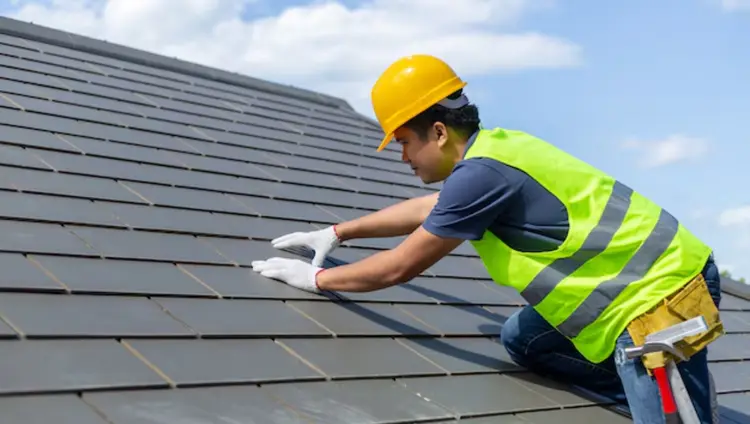
Your roof is your home’s first defense against rain, wind, and harsh sun. Yet many homeowners don’t think about it until problems appear inside the house. By the time a ceiling stain or leak becomes noticeable, the underlying damage can be significant—and expensive to fix.
For those living in coastal areas, timely inspections and services like professional Roof Repair in Wilmington, NC, are critical to catching issues before they escalate. Learning how to spot roof damage early can save you thousands of dollars, protect your home, and extend the life of your roofing system.
1. Start with Visual Inspections
You don’t need to be a professional to spot obvious problems. Walk around your home and look at the roof from the ground. Use binoculars if necessary.
What to check:
- Missing, cracked, or curling shingles.
- Dark patches or uneven color, which may indicate moisture or algae.
- Sagging areas that could signal structural issues.
Why it matters: These early signs often show where water may be entering or where materials are weakening. Addressing them quickly prevents further damage.
2. Check Gutters and Downspouts
Your gutters are a good indicator of roof health. When shingles deteriorate, their protective granules often end up in gutters.
What to look for:
- Excessive granules or pieces of shingles.
- Blocked or overflowing gutters after rain.
- Rust or leaks in gutter seams.
Why it matters: Clogged or damaged gutters can cause water to back up, leading to roof leaks, fascia damage, or foundation issues.
3. Look for Water Stains and Interior Clues
Not all roof problems are visible from outside. Your attic and ceilings can reveal hidden issues.
What to check:
- Water stains or discoloration on ceilings and walls.
- Damp insulation or mold in the attic.
- Sunlight shining through the roof boards.
Why it matters: Interior signs often mean water has already penetrated the roof structure. Acting quickly can minimize repair costs.
4. Don’t Ignore Flashing and Seals
Flashing—the metal or sealant around vents, chimneys, and skylights—is one of the most common leak points. Over time, flashing can rust, crack, or pull away from surfaces.
How to prevent problems:
- Inspect flashing annually or after storms.
- Look for cracks, corrosion, or gaps.
- Have a professional reseal or replace flashing as needed.
Why it matters: A small opening can lead to significant leaks, especially during heavy rains or wind-driven storms.
5. Be Aware of Storm and Wind Damage
Coastal and windy areas face higher risks of roof damage. After strong storms, even if your roof looks fine, small issues could be hidden.
What to do:
- Check your yard for fallen shingles or debris.
- Schedule a professional inspection after hurricanes or severe weather.
- Keep records and photos for insurance claims if needed.
Why it matters: Storm damage often starts small, but can quickly lead to leaks or structural issues if ignored.
6. Maintain a Routine Inspection Schedule
Roof damage doesn’t always happen suddenly. Small problems build up over time. A routine inspection, at least twice a year, helps catch them before they grow.
Best practices:
- Inspect after winter and summer seasons.
- Hire a roofing professional for a detailed check every couple of years.
- Keep maintenance records to track wear and plan ahead for repairs or replacement.
7. Know When to Call a Professional
While DIY checks are helpful, some problems are best left to experts. Roofers have the training, safety gear, and experience to spot hidden issues.
Why hire a pro:
- They can identify underlying damage not visible from the ground.
- Professionals know the right materials and techniques for long-lasting repairs.
- They can advise when repair is enough or when replacement is a better investment.
Conclusion
Your roof quietly shields your family and belongings every day. By learning to recognize the warning signs of damage early, you avoid surprise leaks, expensive repairs, and even premature replacement. A little attention now—whether it’s checking for missing shingles, cleaning gutters, or hiring an expert for a yearly inspection—goes a long way toward keeping your roof strong and your home secure.