

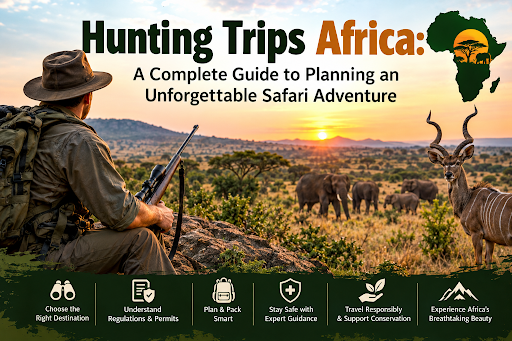
Hunting trips in Africa have long attracted outdoor enthusiasts looking for adventure, challenging landscapes, and opportunities to experience wildlife in its natural environment. For travelers considering hunting trips Africa, careful planning is essential. From selecting the right destination and understanding local regulations to choosing suitable accommodation and preparing for changing conditions, every part of the journey can influence the overall experience.
Africa is home to diverse ecosystems, including open savannas, forests, mountains, and semi-desert regions. This variety creates different experiences depending on the country and area visited. A well-organized trip can combine outdoor adventure with cultural experiences, photography, conservation education, and an appreciation for Africa’s unique landscapes.
What Makes Hunting Trips in Africa Special?
One of the main attractions of African hunting trips is the opportunity to spend time outdoors in remote environments. Unlike ordinary vacations, these trips often involve early mornings, long drives, tracking activities, and changing weather conditions. The experience requires patience, preparation, and respect for the environment.
Many destinations also provide access to professional guides who understand local terrain, wildlife behavior, weather patterns, and safety procedures. Their knowledge can make the journey more informative while helping visitors navigate unfamiliar surroundings responsibly.
For many travelers, the appeal extends beyond hunting itself. Africa’s landscapes, sunsets, local communities, and wildlife viewing opportunities can make the entire trip memorable.
Choosing the Right African Destination
When planning hunting trips Africa, destination selection is one of the most important decisions. African countries have different wildlife populations, habitats, seasons, laws, and tourism systems. Travelers should research their preferred destination carefully before making arrangements.
South Africa is well known for its established private game ranches and diverse tourism infrastructure. Namibia offers expansive landscapes, dramatic deserts, and a strong reputation for outdoor adventures. Zimbabwe and Tanzania are also associated with wildlife-rich environments and safari tourism.
Botswana is famous for its wilderness areas and carefully managed tourism approach, while other African countries offer their own distinctive ecosystems and experiences.
The best destination depends on the traveler’s goals, budget, preferred landscape, available time, and legal eligibility. Travelers should always confirm current regulations with government authorities and licensed local operators before booking.
Understanding Regulations and Permits
Legal preparation is essential for any international hunting trip. Wildlife laws can differ considerably between countries, regions, and species. Hunting seasons, licensing requirements, quotas, firearm regulations, transportation rules, and export requirements may all apply.
Responsible travelers should work with licensed outfitters and professional guides who can explain the applicable rules. It is important never to assume that regulations from one country apply elsewhere.
Travelers should also verify documentation requirements for entering the destination country and transporting permitted equipment. Because regulations can change, official government sources should be consulted before departure.
Following local laws is not simply a formality. It supports responsible wildlife management and helps protect the reputation of legitimate hunting and conservation programs.
Planning Your Hunting Trip
Successful hunting trips begin months before departure. Start by determining the preferred destination, season, duration, accommodation, and activities. Once these details are established, travelers can compare reputable outfitters and understand what is included in a package.
Trip costs can vary depending on location, accommodation, transportation, guide services, permits, trophy fees where legally applicable, and additional travel expenses. A clear written itinerary can help travelers understand exactly what they are paying for.
Travel insurance is another important consideration. Policies should be reviewed carefully to determine whether they cover the activities planned during the trip, medical emergencies, evacuation, delays, and lost luggage.
Packing for an African Outdoor Adventure
Packing appropriately can make a major difference. Clothing should generally be suitable for outdoor conditions, with lightweight and durable options for warm weather and layers for cooler mornings and evenings.
Comfortable walking footwear, sun protection, insect protection, a hat, reusable water bottles, personal medications, and basic first-aid supplies can also be useful. Binoculars and a camera are valuable additions for travelers who want to observe and photograph wildlife.
Equipment requirements vary by destination and activity. Travelers should follow the outfitter’s recommendations and comply with all applicable transportation and legal requirements.
Safety and Professional Guidance
Safety should always be a priority. African wilderness environments can involve uneven terrain, extreme temperatures, insects, and potentially dangerous wildlife. Visitors should listen carefully to professional guides and follow instructions throughout the trip.
Travelers should avoid approaching wildlife independently or leaving designated areas without permission. Staying with experienced guides reduces unnecessary risks and provides valuable knowledge about the environment.
Health preparation is also important. Depending on the destination, travelers may need specific vaccinations, preventive medications, or medical advice before departure. A healthcare professional or travel-health clinic can provide destination-specific guidance.
Responsible and Ethical Travel
Modern hunting trips Africa should be approached with an emphasis on legality, conservation, and ethical conduct. Travelers should understand where fees go, how wildlife populations are managed, and whether the operator follows recognized conservation and animal-welfare standards.
Choosing transparent, licensed operators can help support legitimate conservation initiatives and local employment. Travelers should also respect local communities, cultural traditions, private property, and environmental guidelines.
For visitors interested in wildlife without hunting, many African destinations also provide excellent photographic safaris and nature-based experiences. These alternatives can complement a trip or provide another way to appreciate the continent’s biodiversity.
Making the Most of the Experience
A successful African trip is about more than a single outdoor activity. Take time to appreciate the landscape, learn about local cultures, observe wildlife, and understand the conservation challenges facing different regions.
Keeping a journal or taking photographs can help preserve memories of the journey. Many travelers find that the combination of adventure, nature, and cultural discovery becomes the most valuable part of their experience.
Conclusion
Hunting trips can offer a unique way to explore Africa’s spectacular wilderness when they are planned carefully and conducted legally and responsibly. For those searching for hunting trips Africa, choosing a reputable destination and licensed outfitter, understanding current regulations, preparing appropriately, and prioritizing safety are essential steps.