

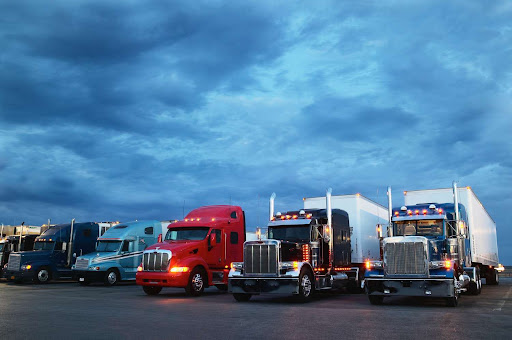
Tow trucks play a critical role in upholding road safety by providing assistance to disabled vehicles and facilitating the clearance of accident scenes. Nevertheless, when tow trucks are not operated with due care, they have the potential to exacerbate traffic congestion and even become involved in accidents. It is imperative to comprehend the various factors that can lead to these problems and to institute proactive measures to guarantee the safe and effective operation of tow trucks on our roadways.
For those affected by tow truck accidents, seeking legal assistance is crucial. Consulting truck accident lawyers serving Fresno, CA, can help navigate the complexities of legal claims and secure compensation. This article explores the circumstances under which tow trucks cause traffic jams and accidents and offers insights into potential solutions.
The Role of Tow Trucks in Traffic Management
Tow trucks are essential for clearing disabled vehicles and accident debris from roadways, helping to restore normal traffic flow. Their presence is vital for minimizing the duration and impact of traffic disruptions. However, the operation of tow trucks must be carefully managed to avoid creating additional hazards.
Proper coordination with traffic management authorities and adherence to safety protocols are crucial for ensuring that tow trucks contribute positively to road safety rather than becoming part of the problem.
Common Causes of Tow Truck-Related Accidents
Several factors can contribute to accidents involving tow trucks. These include:
- Improper Loading and Securing of Vehicles: Failure to properly load and secure disabled vehicles can result in shifting loads or vehicles detaching during transit, causing accidents.
- Driver Distraction: Tow truck drivers, like all drivers, can become distracted by in-cab devices, radios, or their mobile phones, leading to collisions.
- Speeding and Reckless Driving: Tow trucks in a hurry to reach their destination may speed or drive aggressively, increasing the risk of accidents.
- Inadequate Training: Insufficient training for tow truck operators on safe driving practices and proper vehicle handling can lead to preventable accidents.
Traffic Jams Caused by Tow Trucks
Tow trucks can also contribute to traffic jams, mainly when operating in high-traffic areas or during peak hours. Common scenarios include:
- Blocking Lanes: Tow trucks stopping in traffic lanes to assist disabled vehicles can cause significant disruptions and slow traffic flow.
- Inadequate Signaling: Failure to use proper signals or warning lights can confuse other drivers, exacerbating traffic congestion.
- Extended Recovery Operations: Lengthy vehicle recovery operations can create bottlenecks, especially on narrow or busy roads.
Legal and Financial Implications
Accidents and traffic jams caused by tow trucks can have serious legal and financial implications for towing companies. Victims of accidents may file lawsuits seeking compensation for injuries and damages, leading to substantial legal fees and settlements. Additionally, towing companies may face fines and penalties for failing to adhere to safety regulations, further exacerbating financial strain.
Ensuring compliance with all relevant laws and regulations is crucial for managing these risks. Towing companies should invest in comprehensive driver training programs to enhance safety and reduce the likelihood of accidents. Proper training helps drivers understand and adhere to safety protocols, minimizing the risk of legal repercussions.
Maintaining thorough records is also essential. Detailed documentation of driver training, vehicle maintenance, and incident reports can provide critical evidence in legal proceedings, helping to protect the company from unjust claims.
Preventive Measures for Tow Truck Operators
Preventive measures are essential for reducing the risk of tow truck-related accidents and traffic jams. Key strategies include:
- Comprehensive Training: Providing thorough training for tow truck operators on safe driving practices, proper vehicle handling, and emergency procedures.
- Regular Maintenance: Ensuring that tow trucks are regularly inspected and maintained to prevent mechanical failures that could lead to accidents.
- Use of Safety Equipment: Equipping tow trucks with adequate safety gear, including warning lights, reflective markers, and cones to alert other drivers during operations.
- Effective Communication: Coordinating with traffic management authorities and using communication tools to minimize disruptions and ensure safe operations.
The Importance of Driver Fatigue Management
Driver fatigue poses a considerable risk for accidents involving tow trucks. Factors such as long hours, night shifts, and irregular schedules can lead to fatigue, which impairs a driver’s reaction times and decision-making abilities. This increased risk makes it imperative for tow truck companies to adopt effective management practices to address driver fatigue and prevent accidents.
To mitigate this risk, tow truck companies should implement policies that monitor and manage driver work hours. Ensuring drivers have opportunities for regular rest breaks and promoting a healthy work-life balance can help reduce fatigue. Such policies not only protect drivers but also enhance overall road safety by minimizing the likelihood of fatigue-related accidents.
Additionally, educating drivers on recognizing and addressing signs of fatigue is vital for maintaining alertness and safety on the road. Training programs that emphasize the importance of rest and provide strategies for managing fatigue can significantly contribute to a safer working environment.
Technological Solutions for Enhanced Safety
Advancements in technology present exciting possibilities for enhancing the safety of tow truck operations. Cutting-edge technologies like GPS tracking, telematics, and driver assistance systems have the potential to elevate driver performance and mitigate the chances of accidents.
For example, GPS tracking enables dispatchers to closely monitor the real-time locations of tow trucks, leading to optimized routes and quicker response times. Telematics systems offer valuable insights into driver behavior, allowing for targeted training and interventions to rectify unsafe practices.
Community and Regulatory Involvement
Community involvement and regulatory oversight are essential for maintaining the safe and effective operation of tow trucks. By actively engaging with local communities, tow truck operators can address concerns, improve communication, and build mutual understanding, thereby fostering a cooperative and supportive environment. Regulatory bodies hold the responsibility of enforcing stringent safety standards and conducting regular inspections to ensure that all tow truck operators comply with the necessary regulations.
When towing companies, regulatory agencies, and the community collaborate, they can identify best practices and implement comprehensive safety measures. This collaboration can result in the development of effective strategies that prioritize the safety of both tow truck operators and the public.