

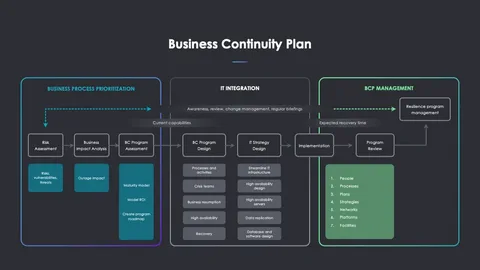
Unexpected disruptions like natural disasters, cyberattacks, or system failures can bring business operations to a sudden halt. Without a good plan, companies might have trouble getting back on their feet. This can cause them to lose money, harm their image, or even permanent closure. A BCP is like a backup. It ensures important work keeps going during and after a crisis. It provides clear strategies to minimize downtime, protect assets, and restore normal operations as quickly as possible.
Whether it’s a power outage, a supply chain breakdown, or a data breach, having a well-structured BCP can make the difference between a temporary setback and a business-ending disaster. Implementing a BCP may seem overwhelming, but with the right approach, any organization can build a plan that keeps operations resilient in the face of uncertainty. Partner with our Portland Managed Service Provider to create a strong BCP that keeps your business running and ensures quick recovery from disruptions.
In this blog, we will explore a step-by-step process to implement an effective Business Continuity Plan (BCP).
Understanding Business Continuity Planning
Unexpected events like natural disasters, cyberattacks, or system failures can stop a business from running smoothly. A Business Continuity Plan (BCP) helps companies prepare for such situations and maintain important operations with minimal disruption. It ensures that businesses can recover quickly and reduce losses when something goes wrong.
What is a Business Continuity Plan (BCP)?
A Business Continuity Plan (BCP) is a structured plan that helps a company continue essential operations during and after unexpected disruptions. It includes strategies to deal with risks, protect employees, and restore business functions quickly.
Importance of a Business Continuity Plan
A BCP is crucial because businesses face risks daily. Without a clear plan, even a minor disruption can cause significant losses.
- Prevents Business Disruptions: Ensures smooth operations during crises like system failures or supply chain issues.
- Minimizes Financial Losses: Reduces the impact of downtime, preventing lost revenue and unexpected recovery costs.
- Protects Reputation: Customers will trust a company more if a crisis is handled well, but if handled poorly, it can damage customers’ trust in your company.
- Ensures Compliance: Many industries require companies to have a continuity plan to meet legal regulations.
- Prepares for Cyber Threats: Helps businesses recover quickly from cyberattacks, reducing data loss risks.
Without a BCP, businesses risk long recovery times, high financial losses, and potential closure.
Now that you know how important a BCP is for your business, let’s focus on building an effective one.
Step-by-Step Process to Implement a Business Continuity Plan
A Business Continuity Plan (BCP) ensures that a company can continue operating smoothly even during unexpected disruptions. Creating an effective BCP involves a structured approach that includes analyzing risks, developing strategies, training employees, and regularly updating the plan. Below is a step-by-step process for implementing a strong and effective BCP.
- Conduct a Business Impact Analysis (BIA)
A Business Impact Analysis (BIA) helps identify critical business functions and assess how disruptions could affect them. This step is crucial in determining which operations need immediate recovery and what resources are required.
- Identify Key Functions: List the essential operations that must continue even during a crisis, such as customer support, IT systems, and supply chain management.
- Analyze Impact: Analyze how disruptions affect revenue, customer trust, and overall business operations.
- Set Recovery Priorities: Determine which processes should be restored first and establish acceptable downtime limits.
- Gather Data: Conduct interviews and surveys with department heads to collect information about business dependencies and vulnerabilities.
- Assess Risks and Threats
Understanding potential risks helps in planning the right response strategies. A thorough risk assessment ensures that businesses are prepared for various disruptions.
- Identify Possible Threats: Consider risks such as natural disasters, cyberattacks, equipment failures, supply chain disruptions, and human errors.
- Assess Risk Likelihood and Impact: Rank threats based on their probability and the level of damage they could cause.
- Review Existing Security Measures: Check current disaster recovery plans, cybersecurity protocols, and backup systems.
- Prioritize Risks: Focus on the most critical threats that could severely impact business continuity and require immediate attention.
- Develop Business Continuity Strategies
Once risks are identified, the next step is to create actionable strategies to maintain operations during disruptions. These strategies should cover essential business areas.
- Workforce Management: Plan for remote work, backup staffing, and emergency roles if employees cannot work on-site.
- IT and Data Recovery: Implement data backup solutions, cloud storage, and cybersecurity measures to protect critical information.
- Supply Chain Continuity: Identify alternative suppliers and logistic partners to ensure smooth operations if the primary supply chain fails.
- Operational Adjustments: Develop temporary workflows or alternative business models to adapt to crises.
- Create the Business Continuity Plan Document
A BCP document serves as a guide during a crisis and outlines clear instructions for employees to follow. This document should be well-organized and accessible.
- Define Roles and Responsibilities: Assign key personnel to handle recovery efforts and decision-making during a crisis.
- Outline Emergency Procedures: Include steps for handling disruptions, such as IT failures, physical disasters, or financial crises.
- Provide Resource Lists: Document essential resources such as backup locations, IT recovery tools, and emergency contacts.
- Set Recovery Timelines: Specify how long different business functions can be down before being restored.
- Establish a Crisis Communication Plan
Clear communication during a crisis is essential to prevent confusion and ensure a smooth recovery. A Crisis Communication Plan defines how and when to communicate with employees, customers, and stakeholders.
- Set Communication Channels: Use multiple methods such as emails, phone calls, messaging apps, and emergency alert systems.
- Create Predefined Messages: Draft crisis templates to ensure quick and accurate communication.
- Assign Spokespersons: Designate individuals responsible for communicating updates to employees and the public.
- Keep Stakeholders Informed: Regularly update customers, partners, and investors to maintain transparency and trust.
- Train Employees and Assign Responsibilities
Employees play a crucial role in executing a BCP, so training them in emergency response procedures is necessary for a successful plan.
- Conduct Regular Training Sessions: Educate employees about their roles and responsibilities during a disruption.
- Assign Specific Roles: Ensure that important staff know what to do. This includes fixing IT problems, crisis communication, and handling resources.
- Create Easy-to-Follow Guidelines: Provide checklists or step-by-step instructions for employees to refer to during a crisis.
- Encourage Employee Feedback: Allow staff to share concerns and suggestions to improve the BCP based on real challenges.
- Test the Business Continuity Plan
A BCP is only effective if it works in real-life situations. Regular testing helps identify weaknesses and ensures the plan is practical.
- Conduct Mock Drills: Simulate different crisis scenarios, such as cyberattacks, fire emergencies, or IT failures, to test response strategies.
- Perform Tabletop Exercises: Gather key decision-makers to discuss how they would handle a crisis based on the BCP.
- Test IT and Backup Systems: Check data recovery processes, backup servers, and cybersecurity protocols.
- Analyze Test Results: Identify gaps, areas for improvement, and necessary updates to strengthen the plan.
- Review, Update, and Maintain the Plan
A BCP should not remain static; it must be reviewed and updated regularly to stay effective as business needs and risks change.
- Schedule Periodic Reviews: Assess the plan at least once a year or after significant business changes.
- Incorporate Lessons Learned: Update the plan based on test results, employee feedback, and real crisis experiences.
- Stay Updated on New Risks: Monitor industry trends, cybersecurity threats, and new regulations impacting business continuity.
- Ensure Accessibility: Keep the updated BCP in easily accessible locations, both digitally and in print, for quick reference.
A well-implemented Business Continuity Plan helps businesses stay prepared for crises, ensuring stability, trust, and long-term success.
In Conclusion
A well-prepared Business Continuity Plan (BCP) helps businesses stay operational during unexpected disruptions. Companies can minimize downtime and financial losses by following a structured process, identifying risks, developing recovery strategies, training employees, and testing the plan. A BCP ensures employees know what to do in a crisis, customers continue receiving services, and business operations recover quickly. Regular updates and testing keep the plan effective as risks evolve. Taking the time to implement a strong BCP today can protect your business from significant setbacks in the future.
Our Data Recovery Portland team is here to help you safeguard your critical business data and ensure a fast, seamless recovery from any disruption.