

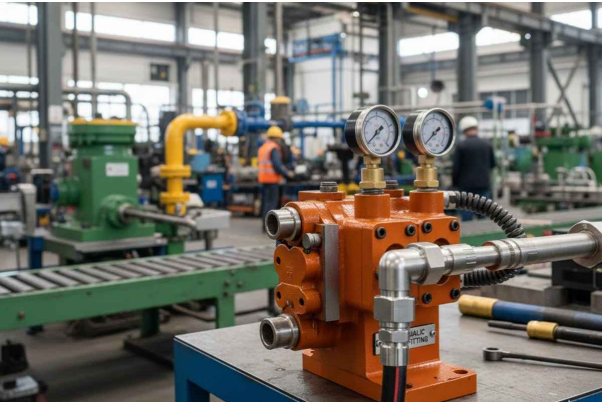
Hydraulic systems are essential for industrial machinery, construction equipment, and manufacturing processes. Their efficiency and safety depend on properly installing hoses and fittings that meet industry standards. In Malaysia, high humidity and hot temperatures make correct installation practices even more critical. Ensuring proper Hydraulic Hose Fitting Malaysia procedures enhances safety, reduces downtime, and extends the life of hydraulic equipment.
Proper installation reduces the risk of hose failure, leaks, and operational hazards that could result in costly repairs. Technicians, engineers, and operators must carefully follow recommended practices for hose and fitting selection. Understanding these procedures ensures safe and reliable hydraulic operations. This article provides practical guidelines for hydraulic hose fitting installation in Malaysia.
Choosing the Right Hose
Selecting the correct hydraulic hose is the first step toward a reliable system. Hoses differ in pressure ratings, fluid compatibility, and temperature resistance. Using the wrong hose can lead to premature wear or sudden failure. Following proper Hydraulic Hose Fitting Malaysia standards ensures that the hose meets the application requirements and environmental conditions.
Consider factors such as hose length, diameter, and operating pressure for optimal system performance. A correctly sized hose ensures smooth fluid flow and reduces internal stress. Proper evaluation protects both the hose and the connected equipment. Choosing the right hose is a critical foundation for a safe hydraulic system.
Selecting Proper Fittings
Fittings are the connecting elements that join hoses to machinery and other hydraulic components. Using the correct type and size of fitting ensures a secure, leak-free system. Threaded, crimped, or reusable fittings are commonly used in Malaysia depending on pressure requirements. Matching fittings to hose specifications prevents damage and extends service life.
Corrosion resistance and material quality are crucial in humid and industrial environments. Properly selected fittings provide a strong, reliable connection that supports smooth hydraulic operation. Good fitting selection also reduces maintenance frequency and avoids costly downtime. Following manufacturer recommendations is essential for long-term performance.
Inspecting Hoses
Before installation, hoses should be carefully inspected for damage, defects, or wear. Look for cracks, abrasions, or kinks that could compromise performance. Malaysia’s hot and humid conditions can accelerate hose deterioration, making inspection a critical step. Early detection of issues prevents system failures and costly repairs.
Hose ends must be free from dirt, dust, or metal particles before assembly. Contaminants can interfere with fitting seals and cause leaks. Regular inspections ensure hoses are ready for safe installation. This step also protects both personnel and equipment during operation.
Preparing the Hose
Proper hose preparation improves fitting installation and long-term performance. Cut hoses squarely using a sharp cutter to create clean ends. Uneven or angled cuts can prevent fittings from seating correctly and may lead to leaks. The hose interior should also be cleaned to remove any debris before assembly.
Applying a small amount of compatible hydraulic fluid as a lubricant helps slide fittings into place without damaging the hose liner. Proper preparation ensures a tight seal and secure connection. This process enhances the hose’s durability and reduces the risk of operational failures. Well-prepared hoses contribute to reliable hydraulic systems.
Installing Fittings Correctly
Fittings must be installed according to manufacturer instructions to ensure a secure connection. Crimped fittings require uniform compression, while threaded fittings need precise torque. Following proper Hydraulic Hose Fitting Malaysia installation methods minimizes leaks and prevents premature hose failure.
Avoid forcing fittings into hoses, as this can damage internal layers or threads. Proper installation ensures a long-lasting and leak-free connection. Adhering to recommended procedures enhances system reliability. Correct installation practices protect both the equipment and personnel.
Avoiding Hose Twists
Twisting hoses during installation creates internal stress that can reduce their service life. Twists often occur when hoses are rotated or misaligned while connecting fittings. In Malaysia, where machinery may operate in tight or crowded spaces, careful routing is essential. Proper handling prevents twists and prolongs hose life.
Marking hose ends and aligning them correctly during installation helps maintain proper orientation. Correctly oriented hoses ensure smooth fluid flow and reduce stress on connections. Avoiding twists prevents early failures and operational downtime. This practice supports consistent and safe hydraulic system performance.
Maintaining Bend Radius
Every hydraulic hose has a recommended minimum bend radius specified by the manufacturer. Bending a hose beyond this limit weakens reinforcement layers and restricts fluid flow. In Malaysian factories with limited space, careful routing ensures that hoses remain within safe bend limits. Using Stainless Steel Tubing Malaysia alongside hoses can also require attention to bend radius to prevent kinks or stress points in the system.
Clamps or guides can be used to maintain curves during installation. Avoid sharp bends or kinks that increase internal stress. Proper bend radius ensures consistent hydraulic performance. Correct routing also reduces maintenance costs and increases hose longevity.
Using Protective Sleeves
Protective sleeves shield hoses from abrasion, heat, and external impacts during operation. In industrial environments in Malaysia, hoses are exposed to dust, vibration, and contact with machinery surfaces. Using protective sleeves improves hose durability and helps prevent failures. Properly installed Hydraulic Hose Fitting Malaysia sleeves provide an added layer of safety for hoses.
Heat-resistant sleeves are suitable for areas near hot surfaces, while flexible sleeves work for hoses with frequent movement. Sleeves reduce wear, maintenance needs, and unexpected downtime. Proper protection ensures reliable hydraulic system performance. This simple step enhances operational safety and efficiency.
Securing Hoses
Hoses must be secured using clamps, ties, or brackets to prevent movement during operation. Proper securing prevents vibration-related wear and reduces stress on fittings. Over-tightening should be avoided, as it can damage the hose cover. Loose hoses may rub against surfaces and fail prematurely.
Check secured hoses regularly to maintain stability. Correctly fastened hoses extend the service life of the system. Securing hoses improves reliability in high-vibration industrial environments. This practice protects both equipment and operators from potential hazards.
Checking for Leaks
After installation, hydraulic systems should be pressurized gradually and inspected for leaks. Leaks can result from poor fitting installation, damaged hoses, or debris in the connection. Early detection prevents loss of hydraulic fluid and protects the equipment from damage. Routine checks enhance system safety and reliability.
Regular monitoring ensures small issues are corrected before they escalate. Maintaining leak-free systems reduces downtime and maintenance costs. Proper leak management improves operational efficiency. Consistent inspections extend the life of hoses and fittings.
Avoiding Overpressure
Hydraulic hoses have maximum pressure ratings that must not be exceeded. Overpressure can result from surges, system malfunctions, or using hoses with inadequate ratings. Following proper Hydraulic Hose Fitting Malaysia guidelines helps prevent dangerous overpressure situations and system damage.
Installing pressure relief valves is critical for maintaining safe operating pressures. Using hoses with an adequate safety margin protects both personnel and machinery. Overpressure prevention reduces the risk of hose bursts. Proper planning and monitoring ensure safe, reliable hydraulic operations.
Temperature Considerations
Hydraulic hoses are sensitive to extreme temperatures. High temperatures soften the hose material, while low temperatures make hoses brittle. Malaysia’s hot and humid climate requires hoses designed for these conditions. Managing temperature exposure prevents early hose failure and ensures efficient operation.
Routing hoses away from heat sources or using insulation protects hoses from damage. Selecting hoses rated for expected operating temperatures improves system reliability. Proper temperature management prevents leaks and failures. This practice extends the lifespan of hydraulic components.
Regular Maintenance
Regular maintenance ensures hydraulic hoses and fittings perform reliably over time. Inspect hoses for wear, cracks, and leaks, and replace damaged components immediately. Cleaning fittings and maintaining the system helps prevent downtime. Maintenance is crucial for safety and operational efficiency.
Keep records of hose replacement dates, pressure ratings, and inspections. Consistent maintenance in Malaysian industrial conditions helps combat environmental wear. Following a maintenance schedule ensures longevity and reliability. Proper maintenance reduces operational risks and costs.
Inland Industrial You Can Trust
For reliable solutions in hydraulic hose fittings and industrial equipment, Inland Industrial Instruments (M) Sdn Bhd is a trusted name in Malaysia. The company specializes in providing high-quality hydraulic components, including hoses, fittings, and installation accessories. Their expertise ensures that every product meets international standards and performs reliably under demanding conditions.
With years of experience serving Malaysian industries, Inland Industrial Instruments (M) Sdn Bhd focuses on quality, safety, and customer satisfaction. They offer professional advice on selecting the right hoses and fittings for different applications. Choosing their products and services ensures dependable hydraulic systems and reduces maintenance costs. Their commitment makes them a partner you can rely on for industrial operations.
Conclusion
Proper installation and maintenance of hydraulic hoses and fittings are essential for safe, efficient, and reliable systems. Following correct procedures reduces leaks, failures, and operational hazards. Using recommended Hydraulic Hose Fitting Malaysia practices ensures hoses and fittings are installed securely and perform as expected.
In Malaysia’s industrial environments, strict adherence to installation and maintenance standards is critical. Properly installed hoses improve reliability, reduce downtime, and extend system lifespan. Regular inspections and preventive care maintain performance. Following these practices ensures hydraulic systems remain safe and efficient.