

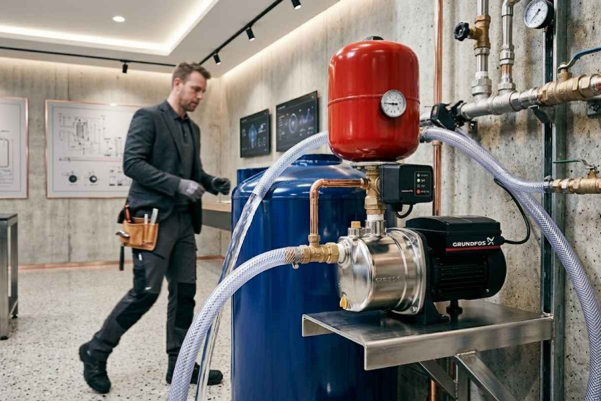
Domestic pressure booster pumps are widely used in Malaysia to improve water pressure in residential properties, especially in high-rise apartments, terrace houses, and homes located in areas with inconsistent municipal water supply. Many homeowners experience weak water flow in showers, taps, washing machines, and water heaters, making daily activities inconvenient. Installing a pressure booster pump helps maintain steady water pressure and ensures smooth water distribution throughout the house.
However, proper installation is essential to ensure the pump operates efficiently and lasts for years. Incorrect installation can lead to leaks, electrical hazards, noisy operation, and frequent maintenance issues. In Malaysia, homeowners should also ensure that the installation process complies with local regulations and plumbing standards. Understanding the complete installation process can help property owners make informed decisions and avoid costly mistakes.
Choosing Right Booster Pump
Before installation begins, selecting the right Domestic Pressure Booster Pump is critical. Different households have varying water demands, and choosing the wrong pump may result in poor performance or excessive energy consumption. The ideal pump should match the home’s water usage requirements and property size.
Some important factors to consider:
- Water pressure requirements of the home
- Number of bathrooms and water outlets
- Household size and daily water consumption
- Pump capacity and flow rate
- Energy efficiency ratings
- Noise level of the pump
- Brand reputation and warranty coverage
- Compatibility with existing plumbing systems
For example, a small apartment may only require a compact automatic booster pump, while a large double-story house may need a more powerful system with a pressure tank. Consulting a professional installer can help homeowners choose the most suitable model.
Booster Pump Installation Steps
Installing a domestic pressure booster pump involves several technical steps. Professional installation ensures the system functions safely and effectively. Below are the major stages involved in the installation process.
1. Site Inspection and Assessment
The first step involves inspecting the property to determine the best installation location. Professionals examine the existing plumbing layout, water pressure levels, and available space for the pump system. They also identify any plumbing issues that may interfere with installation.
The installation area should be dry, well-ventilated, and easily accessible for future maintenance. Installers also check whether the property has sufficient electrical connections to support the pump system. Proper site assessment helps prevent installation complications later.
2. Preparing for Installation
Once the site inspection is complete, installers prepare the location for the pump setup. This stage includes shutting off the water supply, draining pipes, and gathering all required equipment and materials.
Plumbers may also replace damaged pipes, install new valves, or reinforce weak plumbing connections before placing the booster pump. Proper preparation reduces delays and ensures a smooth installation process.
3. Installing the Pump System
This is the core phase of the installation process where the booster pump is physically connected to the home’s water supply system. The Domestic Pressure Booster Pump must be securely mounted to prevent movement and vibration during operation.
The process usually includes:
- Positioning the pump in the designated location
- Securing the pump base
- Connecting inlet and outlet pipes
- Installing pressure tanks if required
- Adding control valves
- Installing non-return valves
- Ensuring leak-proof pipe fittings
Proper alignment and secure fittings are necessary to prevent water leaks and operational issues.
4. Electrical Connection Setup
Most domestic booster pumps require electrical power to function. This stage involves connecting the pump to the home’s electrical supply. Licensed electricians are often recommended to perform this task for safety reasons.
The electrical setup includes installing wiring, circuit protection systems, and proper grounding mechanisms. Incorrect electrical installation may damage the pump or create fire risks. Safety compliance is extremely important during this phase.
5. Testing the System
After installation is complete, the system must be thoroughly tested. Installers switch on the pump and monitor water pressure levels across different outlets in the home. They check showers, sinks, and appliances to confirm proper performance.
Testing also helps identify leaks, unusual vibrations, noise issues, or electrical faults. Any problems found during this stage should be corrected immediately before final handover.
6. Compliance with Regulations
In Malaysia, domestic water pump installations may need to follow specific plumbing and building regulations. Homeowners living in condominiums or gated communities may require approval from building management before installation.
Additionally, installers must comply with local electrical safety regulations and water authority requirements. Hiring certified contractors ensures that the installation meets legal standards and avoids future penalties or disputes.
7. Maintenance After Installation
Regular maintenance is necessary to keep the Domestic Pressure Booster Pump operating efficiently. Even high-quality pumps can develop issues if they are neglected over time. Homeowners should schedule periodic inspections to identify wear and tear early. In some related fluid-handling applications, systems like Diaphragm Pumps Malaysia are maintained using different servicing approaches due to their specialized internal mechanisms and operating requirements.
Routine maintenance tasks include cleaning filters, checking pressure settings, inspecting electrical components, and monitoring for leaks. Preventive maintenance helps extend the pump’s lifespan and reduces repair costs.
8. Installation Mistakes to Avoid
Many installation problems occur because of poor planning or inexperienced workmanship. Avoiding common mistakes can save homeowners from expensive repairs later.
These mistakes include:
- Choosing the wrong pump size
- Installing the pump in a poorly ventilated area
- Ignoring plumbing leaks before installation
- Improper electrical wiring
- Failing to install safety valves
- Skipping pressure testing
- Hiring unqualified installers
- Neglecting maintenance planning
Being aware of these errors helps homeowners ensure a smoother installation experience.
Why Multipump Stands Out?
Multipump Sdn. Bhd. is recognized in Malaysia for delivering reliable water pumping solutions tailored to both residential and commercial needs. The company focuses on providing high-quality installation services, ensuring that every pressure booster pump system is correctly sized, properly installed, and optimized for long-term performance.
What sets Multipump apart is its emphasis on technical expertise and end-to-end service support. From site inspection and system selection to installation and after-sales maintenance, the company ensures every stage is handled professionally. Their experience with various pumping technologies, including pressure systems and specialized fluid applications, allows them to offer practical and efficient solutions for different customer needs.
It also prioritizes system reliability and energy efficiency, helping homeowners reduce operational costs while maintaining stable water pressure. This commitment to quality service and customer satisfaction makes them a trusted choice in the Malaysian pumping industry.
Conclusion
Installing a domestic pressure booster pump in Malaysia is an effective solution for improving household water pressure and ensuring daily comfort. From selecting the right pump to completing professional installation and regular maintenance, every step plays an important role in system performance.
Homeowners should always work with qualified plumbers and electricians to ensure safety, efficiency, and compliance with Malaysian regulations. A properly installed booster pump provides long-term convenience, better water flow, and improved household functionality.