

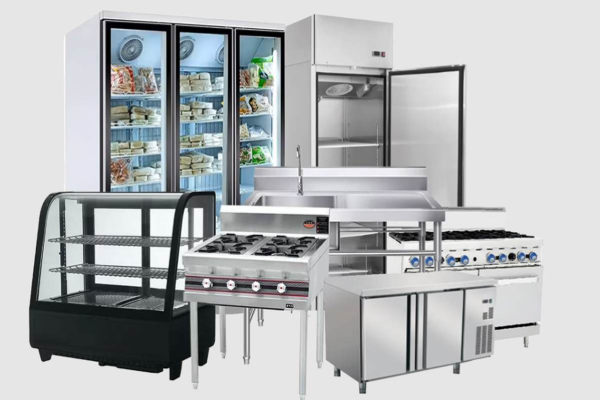
Planning a kitchen setup, whether for a restaurant, café, hotel, or catering business, requires more than just selecting appliances. It demands careful financial planning, especially when working with a kitchen equipment supplier Malaysia. Without a proper budget strategy, costs can quickly escalate and lead to overspending as well as inefficient purchases.
A well-structured budget helps business owners make informed decisions, prioritize essential equipment, and avoid unnecessary expenses. In Malaysia’s competitive food and hospitality industry, smart budgeting ensures long-term sustainability and operational efficiency. This article explores practical budget planning tips to help you work effectively with suppliers while maximizing value for your investment.
Why Budget Planning Matters?
Budget planning is the foundation of any successful kitchen setup project. It helps business owners control spending and allocate resources wisely when dealing with a kitchen equipment supplier Malaysia. Without it, even small purchases can accumulate into significant financial pressure.
A well-planned budget ensures:
- Clear understanding of total project costs before purchasing begins
- Better control over cash flow and operational expenses
- Reduced risk of overspending on unnecessary equipment
- Improved decision-making when comparing suppliers and products
- Long-term financial stability for the business
Proper planning also allows you to balance quality and affordability so your kitchen operates efficiently without compromising performance or durability.
Assess Your Kitchen Needs
Before contacting any supplier, it is essential to evaluate your actual kitchen requirements. Many businesses make the mistake of buying too much equipment or choosing items they rarely use. A detailed assessment helps prevent wasteful spending and ensures you only invest in what is necessary.
Start by identifying your menu, kitchen size, and expected customer volume. A high-output restaurant may require industrial-grade ovens and refrigeration units, while a small café might only need compact and multi-functional appliances. Understanding workflow is equally important because it helps design a kitchen layout that improves efficiency.
You should also consider future expansion. Investing in scalable equipment can reduce costs later when your business grows. This step ensures your budget aligns with both current and future needs.
Choosing the Right Supplier
Selecting the right kitchen equipment supplier plays a major role in effective budget planning. A reliable supplier not only provides quality products but also offers expert advice, installation support, and after-sales service.
When choosing a supplier, consider their reputation in the market. Look for reviews, testimonials, and past project experience. A trustworthy supplier will provide transparent pricing and help you understand what you are paying for. Businesses searching for kitchen equipment Penang can also compare regional suppliers to find better pricing and service options depending on their location and operational needs.
It is also beneficial to compare multiple suppliers. This allows you to evaluate pricing differences, product quality, and service packages. A good supplier relationship can lead to better deals and discounts over time, helping you stay within budget.
Cost Breakdown Planning
One of the most important steps in budget management is breaking down costs into clear categories. This prevents hidden expenses and gives you a complete picture of your financial requirements.
Your cost breakdown should include:
- Equipment purchase costs such as ovens, refrigerators, and mixers
- Installation and setup charges
- Transportation and delivery fees
- Electrical or plumbing modifications
- Maintenance and warranty packages
- Contingency funds for unexpected expenses
By organizing costs in this way, you can prioritize essential spending and identify areas where adjustments can be made. It also helps you avoid financial surprises during the project.
Smart Saving Strategies
Saving money does not mean compromising on quality. With the right approach, you can reduce costs while still getting reliable kitchen equipment from a kitchen equipment supplier Malaysia.
Some effective ways to optimize your budget include:
- Buying bundled equipment packages instead of individual items
- Choosing energy-efficient appliances to reduce long-term utility bills
- Opting for multi-functional equipment to save space and cost
- Purchasing during promotional seasons or supplier discounts
- Considering refurbished equipment from trusted suppliers
- Prioritizing essential equipment first before optional upgrades
These strategies help you maintain financial control while still building a fully functional kitchen setup.
Negotiation with Suppliers
Negotiation is a key skill when working with kitchen equipment suppliers. Many businesses overlook this step and end up paying more than necessary. Suppliers often have flexible pricing structures, especially for bulk purchases.
Before negotiating, research market prices so you understand what is reasonable. Approach discussions professionally and clearly explain your budget limitations. Suppliers may offer discounts, extended warranties, or free installation services to secure your business.
It is also helpful to build long-term relationships with suppliers. Repeat customers often receive better pricing and priority service. Effective negotiation not only reduces costs but also adds value to your purchase through additional benefits.
Maintenance and Long-Term Costs
Budget planning should not end with the purchase of equipment. Long-term maintenance costs play a significant role in overall expenses. Ignoring this factor can lead to unexpected financial pressure in the future, especially when working with a kitchen equipment supplier Malaysia.
Regular servicing ensures that equipment operates efficiently and lasts longer. This reduces the need for frequent replacements and saves money in the long run. Some suppliers offer maintenance packages that can help control ongoing costs more effectively.
You should also consider energy consumption, spare parts availability, and repair costs when selecting equipment. Investing in durable and easy-to-maintain products may have a higher upfront cost but will provide better long-term savings.
Common Budgeting Mistakes
Many businesses struggle with budgeting due to avoidable mistakes. These errors often lead to overspending and inefficient kitchen setups.
Some common mistakes include:
- Not setting a clear budget before starting purchases
- Ignoring hidden costs such as installation and maintenance
- Choosing the cheapest equipment without considering quality
- Failing to compare multiple suppliers
- Overbuying equipment that is not essential
- Not planning for future expansion needs
Avoiding these mistakes ensures a smoother purchasing process and better financial control when setting up a kitchen.
Why Go with Pearl Mile Trading?
Choosing Pearl Mile Trading Sdn. Bhd. can be a smart and practical decision for businesses looking for affordable kitchen solutions in Malaysia. The company is known for offering cost-effective equipment that helps reduce overall setup expenses without compromising essential quality standards. This makes it especially suitable for startups, small businesses, and growing food service operators who need to manage tight budgets.
Pearl Mile Trading also focuses on providing value through practical product selections that match real kitchen needs rather than unnecessary upgrades. Their pricing approach is designed to remain competitive while still supporting reliability and usability in commercial environments. This balance of affordability and functionality helps business owners invest wisely while maintaining operational efficiency.
Conclusion
Effective budget planning is essential for building a successful and efficient kitchen setup. When working with a kitchen equipment supplier Malaysia, careful financial management helps you make smarter decisions, avoid unnecessary costs, and maximize value from your investment.
By assessing your needs, selecting the right supplier, planning costs, and applying smart saving strategies, you can create a well-equipped kitchen without exceeding your budget. Strong negotiation skills and attention to long-term maintenance further enhance financial efficiency.
A well-planned budget is not only about saving money but also about building a sustainable kitchen that supports long-term business growth and success.