

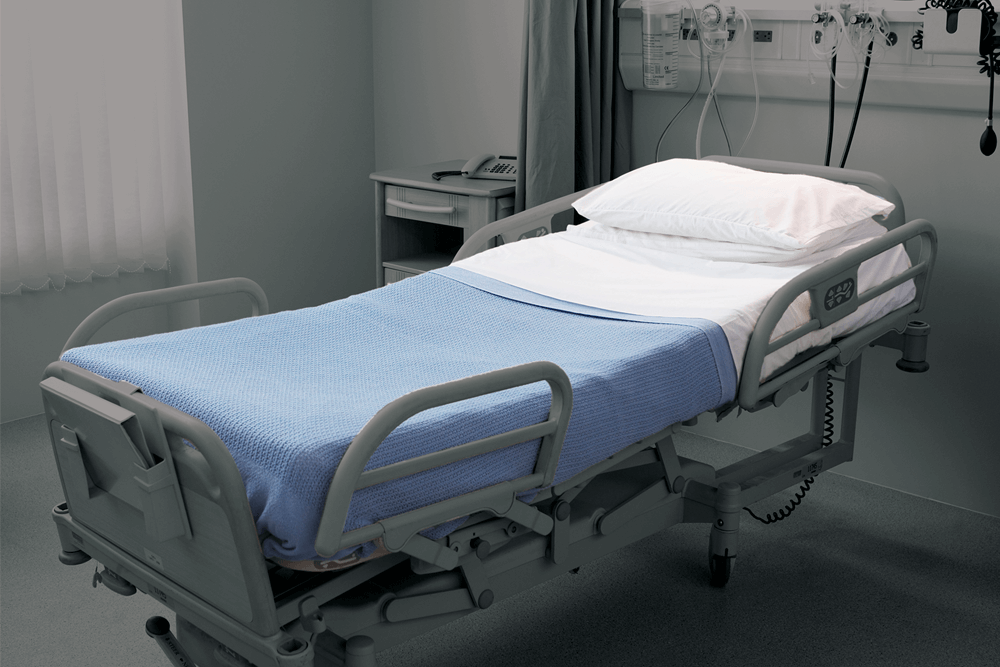
Right at the center of every healthcare experience is the hospital bed – more than just a place to rest, it’s a key player in modern medical practices. This article explores the evolution of hospital beds, showing how vital they are in taking care of patients and helping them recover.
We’ll reveal how seamless integration and clever rental solutions are changing the way healthcare works, making it more efficient and cost-effective. Come with us as we unwrap the fascinating story of the hospital bed rental, and see how, with cool features and flexible rental choices, it’s making healthcare better, one bed at a time.
Role of Hospital Beds
- Patient Monitoring and Treatment: Modern beds come equipped with sensors to monitor vital signs like heart rate and blood pressure, helping healthcare professionals make informed decisions about treatment.
- Improved Safety and Mobility: Adjustable heights, side rails, and specialized surfaces prevent falls, reduce bedsores, and aid movement, especially for patients with limited mobility.
- Enhanced Comfort and Pain Management: Adjustable positions, headrests, and leg supports provide comfort, alleviate pain, and support faster recovery.
- Psychological Impact: A clean, well-maintained bed with comfortable bedding contributes to patients’ sense of security and dignity, positively impacting their mental well-being.
Features of Hospital Beds
- Manual Beds: Basic beds with adjustable head and foot sections, operated using crank mechanisms.
- Semi-Electric Beds: Combining manual and electric controls, these beds allow for electric adjustment of certain functions, like bed height.
- Fully-Electric Beds: Advanced beds with all adjustments controlled electronically, offering ease of use for both patients and healthcare staff.
- Specialty Beds: Bariatric beds for heavier patients and pediatric beds designed for children’s specific needs.
The Integration of Hospital Beds into Healthcare Practices
Integration Process
- Needs Assessment: Understand your facility’s specific needs based on patient demographics, specializations, and budget. This guides decisions on bed types, features, and quantities.
- Workflow Optimization: Analyze patient and staff flow to identify areas for improvement. Integrate bed features and placements to expedite care delivery and minimize unnecessary movement.
- Technology Integration: Explore how beds can connect with existing electronic health records (EHR) systems and monitoring devices. This facilitates real-time data exchange, enhancing the accuracy and efficiency of care.
- Staff Training: Provide comprehensive training to ensure staff proficiency in operating and maintaining beds, maximizing functionality, and ensuring patient safety.
- Maintenance and Replacement: Develop a plan for regular maintenance and timely replacement of outdated or malfunctioning beds. This helps maintain safety and reliability, preventing disruptions to patient care.
Benefits of Integration
- Improved Patient Outcomes: Features like pressure-relieving mattresses and adjustable positions can prevent complications and accelerate recovery.
- Enhanced Staff Efficiency: Streamlined workflows and easier bed adjustments save time and reduce physical strain on staff.
- Reduced Operational Costs: Optimal bed allocation, efficient patient flow, and preventive maintenance can lead to significant cost savings.
- Increased Patient Satisfaction: A comfortable and technologically advanced care environment fosters positive patient experiences, improving satisfaction scores.
The Concept and Advantages of Rental
Instead of committing to large up-front costs and long-term maintenance, hospitals can rent beds with features tailored to their specific needs. This offers several advantages:
- Cost Efficiency: Renting can be significantly cheaper than purchasing, especially for short-term or specialized bed requirements. Rental fees are spread over time, improving cash flow and avoiding capital expenditure.
- Flexibility: Renters can easily adjust bed inventory based on patient demand, accommodating seasonal fluctuations or sudden influx without costly investments.
- Access to Latest Technology: Rental providers often offer the newest models equipped with advanced features, ensuring patients receive the best possible care and healthcare facilities stay ahead of the curve.
- Reduced Maintenance Burden: Rental companies handle maintenance and repairs, freeing up internal resources for patient care and administrative tasks.
How Rental Fits into Modern Healthcare?
Renting hospital beds is like a perfect match for today’s healthcare trends:
- Value-Based Care: Renting fits well with how healthcare costs are connected to the services used, making it all about value.
- Patient-Centered Care: Having lots of different beds to choose from means we can focus on what each patient really needs, making them more comfy.
- New Technologies: Renting lets us try out cool and new features without having to commit to buying them forever. It’s like test-driving the latest tech for better patient care.
Implementing Hospital Bed Rental
Here’s how to smoothly integrate rental into your practice:
- Assess Needs: Determine bed types, quantities, and features required based on patient demographics, specialties, and budget.
- Research Providers: Compare rental companies, evaluating factors like service reputation, equipment variety, delivery options, and maintenance procedures.
- Negotiate Contract: Secure a rental agreement that aligns with your budget and operational needs, including clear terms for delivery, maintenance, and potential upgrades.
- Staff Training: Ensure staff are trained on operating and handling the rented beds.
- Monitor and Adapt: Regularly evaluate the rental program, making adjustments to optimize bed utilization and address any concerns.
Factors to Consider when Choosing a Rental Service
- Company Reputation: Choose a trusted provider with a proven track record and positive customer reviews.
- Equipment Variety: Ensure the service offers a diverse range of beds catering to your specific needs, including bariatric and pediatric options.
- Service Quality: Evaluate responsiveness, delivery efficiency, and maintenance support capabilities of the provider.
- Cost Considerations: Compare rental fees, delivery charges, and any additional costs like maintenance or early termination penalties.
Conclusion
Hospital beds have become super important in healthcare. They’re not just for resting; they help patients a lot. With cool features and rental options, they’re making healthcare better and more flexible. It’s like upgrading patient care, and choosing the right bed is like picking the superhero for the job.