

When looking at options for straightening teeth, many patients find themselves deciding between Invisalign and traditional braces. Both methods aim to achieve the same goal of aligning teeth, but they differ in design, functionality, and day-to-day impact. Understanding the advantages and limitations of each option can help orthodontic patients, teens, and adults choose the solution that best fits their needs and preferences.
Appearance and Design
Appearance is often an option when choosing between Invisalign and traditional braces. Traditional braces are made of metal brackets and wires that are visibly attached to the teeth. While modern advancements have introduced less noticeable options like ceramic braces, they are still more visible than Invisalign.
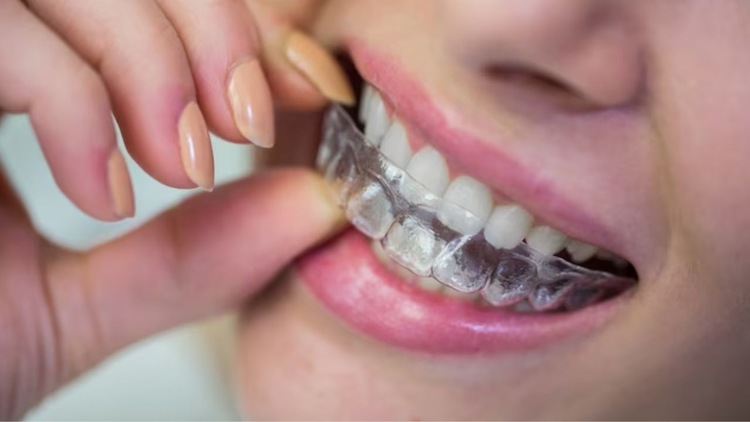
On the other hand, Invisalign uses clear plastic aligners that are nearly invisible when worn. This makes them a popular choice for individuals who value discretion during their orthodontic treatment. Patients often appreciate the subtle appearance of Invisalign, especially in professional or social settings where confidence in their smile is key.
Comfort and Convenience
A key difference between these two methods lies in their levels of comfort and convenience. Traditional braces are secured to the teeth and adjusted periodically to guide realignment. While effective, they can sometimes irritate the inside of the mouth due to the brackets and wires.
In contrast, Invisalign aligners are made from smooth plastic and are custom-fitted to the patient’s teeth. They do not require brackets or wires, which reduces the likelihood of irritation. Invisalign aligners are removable, giving patients the flexibility to eat and drink without restrictions and maintain their oral hygiene routine easily.
Treatment Timeline
The duration of treatment also varies between Invisalign and traditional braces. Patients should note these key factors:
Traditional Braces:
- Typically worn for 18 months to 3 years, depending on the complexity of the case.
- Adjustments are made by the orthodontist to tighten wires and guide teeth into alignment.
Invisalign:
- Treatment generally lasts between 12 to 18 months, though this can vary based on individual cases.
- Patients switch to a new set of aligners every 1 to 2 weeks, gradually moving teeth into place.
Both methods require commitment and regular orthodontist visits to help with your progress.
Cost and Accessibility
Cost often influences the decision-making process for patients. Traditional braces are typically more affordable than Invisalign and may be covered partially by dental insurance. Invisalign costs can vary based on the level of correction required and the number of aligners needed. Orthodontists widely offer traditional braces, and they are often suited for more complex dental cases. Invisalign, on the other hand, is ideal for mild to moderate alignment issues, and patients must wear the aligners for at least 22 hours per day for optimal results.
Which Option Is Right for You Invisalign or Traditional?
Choosing between Invisalign and traditional braces ultimately depends on personal priorities, lifestyle, and orthodontic needs. Consulting with an experienced orthodontist is the best way to determine which method aligns with your goals. Whether you prioritize a discreet option like Invisalign or prefer the affordability and effectiveness of traditional braces, both offer reliable solutions to achieve a healthier, straighter smile. Start by scheduling a consultation to explore your options and take the first step toward your ideal smile today.