


Is Weight Lifting Bad for Your Knees?
Will you be beginning a weight training regimen? But somewhere in doubt that: Is Weight Lifting Bad for Your Knees? Here is a sigh of relief. You can safely do weightlifting as it is not harmful to your knees. It can strengthen them and enhance the health of your joints. You only need to follow proper lifting techniques. In addition to having robust muscles, the knees also include connective tissues that provide support. They contribute to stabilizing the joint and a protective barrier against injury.
You will examine the benefits of weightlifting for your knees in this post. It will also guide how to work out safely and efficiently. Stay tuned, and read out all about weightlifting and knee health.
Weight Lifting Benefits for Knee Health
When you follow proper weight-lifting techniques, your muscles and joints get healthy. Here is a breakdown of some ways in which it is beneficial:
-
Stronger Muscles:
When you exercise, it directly targets your muscles. It helps to make the knee joint strong and stable. If you have strong muscles, it ultimately takes off the pressure from joints.
-
Improves Balance and Movement:
One excellent method for toning your body is through weight training. It also builds your awareness and capacity for movement control. It can assist in avoiding imbalances that result in poor mechanics. Moreover, it prevents knee strain when performing daily tasks.
-
Reduces Pain:
Weight workout is an effective treatment for joint discomfort. Many studies support this fact. If you are a patient with osteoarthritis, you must try it. Once you try, you will feel pain reduction. Moreover, it enhances joint mobility and strengthens knee muscles.
-
Increases bone density:
Weightlifting assists in bone development. The strong bones lead to increased bone density. Strong bones have more tendency to counter back fractures. But, if you have any bone pain history, you should be cautious about it.
Weight Lifting and Knee Injuries
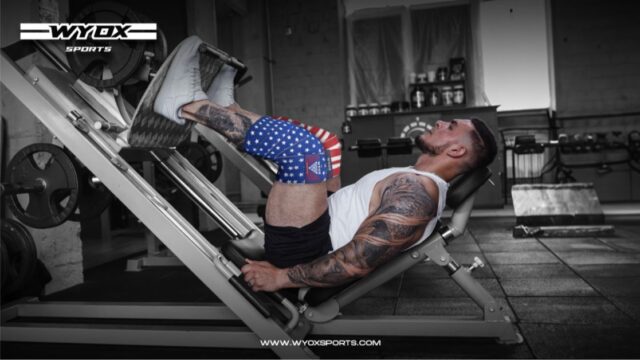
You have to grasp the mechanics of weightlifting. It is crucial to avoid potential knee injuries. It can arise from improper form or lifting excessive weight prematurely. These are a few typical factors that can contribute:
- Poor form: Using incorrect technique during exercises puts undue stress on the knee joint. Seek out your trainer for proper technique before starting it yourself.
- Lifting too much weight: It is always preferable to start with lower weights if you want to avoid knee injuries. Then, once your body gets comfortable, add weights slowly. Avoid lifting too much weight at an early stage of training.
- Knee Pain History: Advice from a physician is compulsory before beginning any training if you have a joint pain history. They can offer suggestions on risk-reducing activities and adjustments.
Tips on How to Lift Weights Safely for Your Knees
Learning techniques for lifting weights is crucial for your body and fitness. Here are some of the tips on how to lift weights safely to maintain your knees health:
-
Warm-up and cool-down:
You have to prepare your body for a workout. In this regard, do stretches to relax your muscles and joints. In finishing the workout, again do stretches to settle down your body and muscles.
-
Focus on form:
Prioritize proper form over heavy weights. If you’re doing it right it doesn’t matter how less or more weight you’re holding. If you need any guidance regarding workouts, consult your trainer.
-
Listen to your body:
Exercise in your comfort zone, when you feel pain, it is a red signal. Don’t overlook what your body is saying to you. Listen to your body when it is demanding rest. Consider reducing the weight or modifying the exercise.
-
Choose knee-friendly exercises:
The greatest exercises include hamstring curls, leg enhancements, and leg lifts. They help to build up the surrounding muscles of the knee without overstressing the joint. Choose workouts that will enable you to keep your knees properly aligned throughout the exercise.
-
Incorporate rest and recovery:
Your body needs rest and time to heal. So you mind the fact and take short breaks during workouts. For instance, take one day’s rest between workout training sessions at the start.
-
Maintain a healthy weight:
To enjoy a healthy life you should consider a healthy weight. It is crucial for your workout and your lifestyle as well. More weight leads to joint pain. If you have an average weight, you have more chances to enjoy life.
Prefer the Right Tools for Your Workout
Searching for the right and perfect tools for your workout can give you a tough time. It is even more complex to locate the workout tools if you are a newbie. As you peruse a storefront filled with vibrant alternatives, you could find yourself asking: Which tool should I buy?
One positive aspect is that many exercises need no specific equipment. On the other hand, working out with equipment gives you more strength and ease. It will enhance your productivity and efficiency.
Prefer the Right Exercise Gear
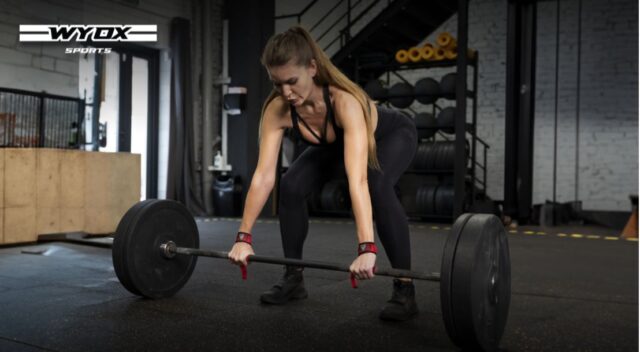
Here are some essential factors to consider when selecting your workout wardrobe:
- Activity: The needs of various exercises vary. Airflow and being able to absorb moisture fabric will be given priority in running gear. Conversely, clothing for weightlifting should permit a complete range of motion.
- Climate: Take into account the humidity and temperature where you work out. Choose your workout attire based on the weather. For instance, use airy, thin fabrics in warm weather and the opposite in colder climates.
- Comfort: This is paramount! Choose clothes that don’t restrict your movement and fit well. Avoid contact with anything that breaches or disturbs your skin.
- Support: Depending on your activity, such gear can offer valuable support. It is where wrist wraps and knee wraps come into play.
Knee Wraps: Warming Up and Adding Support
Elastic sleeves called knee wraps apply pressure and warmth to your kneecap. They offer several benefits:
- Improved Joint Warmth: Applying knee wraps can aid in improving blood circulation to the kneecap region. You can increase knee agility and be ready for a workout with it. For those with stiff joints or in colder climates, it is beneficial.
- Enhanced Proprioception: The process of identifying space in your body is known as proprioception. Knee wraps are a useful tool for this purpose. Additionally, it enhances synchronization and steadiness.
- Pain Relief: Prefer knee wraps as they assist in reducing discomfort. Whether the discomfort is due to old pain or a new injury.
How to Choose the Right Knee Wraps
Choosing the right knee wraps is quite tricky. They are available in different length, thicknesses, and material. Here’s something to think about:
- Length: Knee sleeves provide warmth. Longer wraps offer more comprehensive support.
- Thickness: Less breathable wraps are thinner. However, thicker wraps provide greater confinement and protection.
- Material: Look for breathable fabrics like neoprene or nylon blends
Weightlifters can get knee wraps made specifically for them at Wyox Sports. However, when you prioritize using good lifting forms to protect your knees, these wraps function more effectively. To determine which knee wraps best suit your demands and price range, you may also look at their features, composition, and user reviews.
Building a Knee-Healthy Weight Lifting Routine
Here is a demo workout of weight-lifting. It is specially designed to strengthen the muscles surrounding your knee:
Warm-up (5-10 minutes):
- Light cardio (jumping jacks, jogging in place)
- Dynamic stretches (leg swings, lunges with arm circles)
Strength Training (3 sets of 10-12 repetitions per exercise):
- Squats: This traditional workout targets the hamstrings, glutes, and quadriceps, among other muscular groups.
- Leg press: A machine-based exercise that isolates the quadriceps.
- Hamstring curls: Targets the hamstrings, which are crucial for knee stability.
- Calf raises: Strengthens the calf muscles, which play a role in ankle stability and balance.
Cool-down (5-10 minutes):
- Static stretches (quad stretch, hamstring stretch, calf stretch)
Remember, this is just a sample routine. It’s vital to adapt it to your fitness level and goals. Consult a certified trainer for personalized guidance.
The Bottom Line
Every new weightlifter has the same general concern: is lifting weights bad for your knees? In brief, weightlifting is risk-free and secure as long as it occurs correctly. It works well for strengthening knees and enhancing joint health in general. You can enjoy the positive aspects of weightlifting without risking your knees. It is achievable by using the appropriate form, paying attention to your body, and building recovery time into your routine. So, get set and go!