

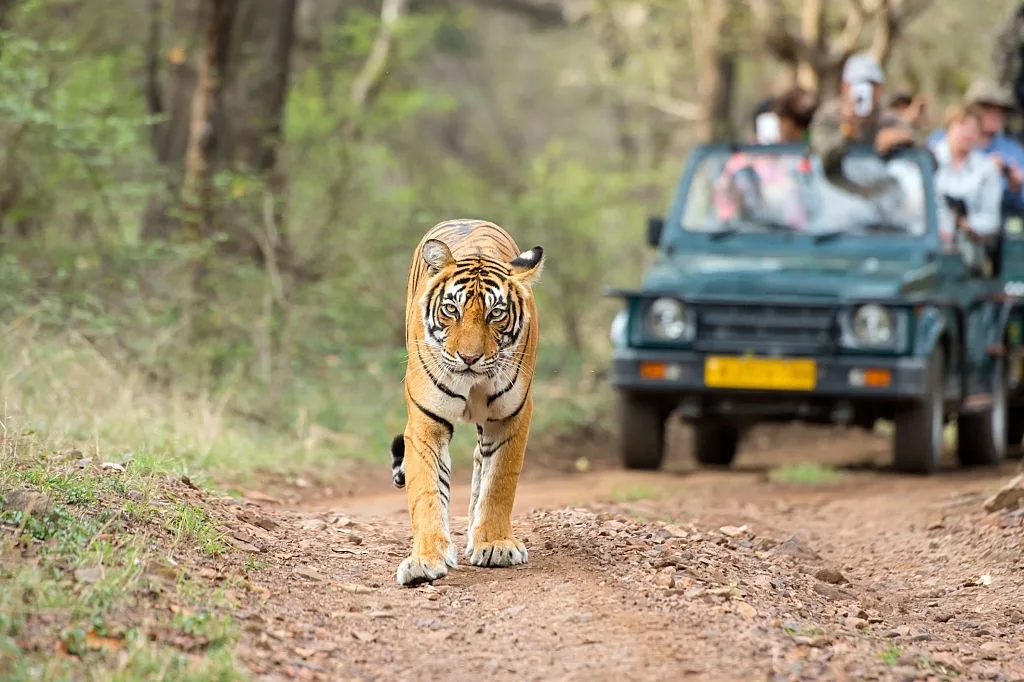
India is a land of vibrant cultures, ancient history, and spectacular biodiversity. Among its most thrilling experiences is the jungle safari—a real-life adventure through lush forests and national parks teeming with wildlife. Whether you’re an avid nature lover, a wildlife photographer, or simply someone seeking a break from city life, a jungle safari offers the perfect escape into the heart of the wild.
From the roar of tigers to the trumpeting of wild elephants and the calls of exotic birds, a jungle safari in India is more than a tour — it’s an unforgettable journey into nature’s raw, untamed beauty.
What is a Jungle Safari?
A jungle safari is a guided expedition into forests or protected wildlife reserves to observe wild animals in their natural habitat. Safaris are usually conducted using 4×4 open jeeps, canters, or sometimes even boats, depending on the terrain. Unlike zoos, jungle safaris allow you to witness animals in their natural environment — behaving instinctively, hunting, resting, and roaming freely.
These safaris are carefully managed by forest departments to ensure minimal disturbance to the ecosystem while offering maximum excitement to visitors.
Why Experience a Jungle Safari?
Going on a jungle safari is more than just sightseeing — it is a chance to reconnect with nature. Here are some compelling reasons why you should consider a jungle safari:
- Close encounter with wildlife
From majestic Bengal tigers to elusive leopards, Indian jungles are home to an incredible array of species. - Birdwatcher’s paradise
India’s forests host over 1,300 bird species, making safaris ideal for bird lovers. - Adventure and thrill
The anticipation of spotting a predator or rare animal is a thrill few experiences can match. - Educational experience
Learn about ecosystems, conservation, and animal behavior from expert guides. - Stress-relief and serenity
The calm of the forest, the sounds of nature, and the clean air offer a peaceful retreat.
Top Jungle Safari Destinations in India
India’s vast geography includes a range of forest types — from tropical jungles and mangroves to deciduous woodlands. Here are the top destinations for a memorable jungle safari:
1. Jim Corbett National Park, Uttarakhand
- India’s first national park and a tiger conservation pioneer.
- Home to Bengal tigers, elephants, leopards, crocodiles, and over 600 bird species.
- The Dhikala zone offers stunning views and overnight stays within the jungle.
2. Kanha National Park, Madhya Pradesh
- Lush sal and bamboo forests and large meadows.
- Known for tigers, barasingha (swamp deer), and wild dogs.
- Excellent safari infrastructure and scenic beauty.
3. Bandhavgarh National Park, Madhya Pradesh
- One of the highest tiger densities in India.
- Frequent big cat sightings and ancient ruins add to the adventure.
4. Ranthambore National Park, Rajasthan
- A mix of wild terrain and historic ruins.
- Famous for tiger photography and easy accessibility from Delhi and Jaipur.
5. Sundarbans National Park, West Bengal
- The world’s largest mangrove forest.
- Unique boat safaris through tidal rivers and creeks.
- Home to swimming tigers and saltwater crocodiles.
6. Periyar Wildlife Sanctuary, Kerala
- Located in the Western Ghats, known for elephants and boat safaris on Periyar Lake.
- Scenic beauty and a blend of forest and water ecosystems.
Types of Jungle Safaris in India
1. Jeep Safari
- Most common and suitable for small groups.
- Flexible routes and greater chances of spotting big cats.
2. Canter Safari
- Larger vehicles (16–20 seats), ideal for budget travelers or larger groups.
- Generally used in popular parks like Ranthambore and Jim Corbett.
3. Boat Safari
- Offered in areas with significant water bodies, such as Sundarbans and Periyar.
- Unique and tranquil way to observe aquatic and shore-based wildlife.
4. Elephant Safari
- Still practiced in parts of Kaziranga and Jim Corbett.
- Offers a different vantage point but is limited in range and duration.
What to Pack for a Jungle Safari
- Neutral-colored clothing (avoid bright colors)
- Binoculars for bird and distant animal spotting
- Camera with zoom lens for capturing wildlife
- Sunscreen and sunglasses
- Hat or cap
- Insect repellent
- Comfortable shoes
- Water bottle and snacks
Safety and Etiquette During a Jungle Safari
Respecting the forest and its inhabitants is crucial for your safety and conservation efforts.
- Keep silent and avoid sudden movements.
- Do not feed or approach animals.
- Follow your guide’s instructions strictly.
- Avoid littering — carry all trash back.
- Never get down from the safari vehicle unless permitted.
Role of Jungle Safaris in Wildlife Conservation
Jungle safaris not only promote tourism but also play a vital role in conservation:
- Awareness: They educate the public about endangered species and ecosystems.
- Revenue: Park fees help fund conservation efforts and community development.
- Employment: Local communities benefit through eco-tourism jobs and hospitality services.
By participating in a jungle safari, you’re supporting sustainable wildlife tourism and helping protect India’s natural heritage.
Final Thoughts
A jungle safari in India is not just an adventure—it’s an awakening. Whether it’s the heart-pounding sight of a tiger emerging from the bushes or the quiet charm of a herd of deer grazing in the dawn light, the jungle leaves a lasting impression. Each forest has a story, each rustle a mystery, and each moment a brush with the wild.
So, if you’re ready to trade the city noise for birdcalls and tiger trails, a jungle safari awaits. Pack your bags, charge your camera, and head into the wild — nature is calling.