

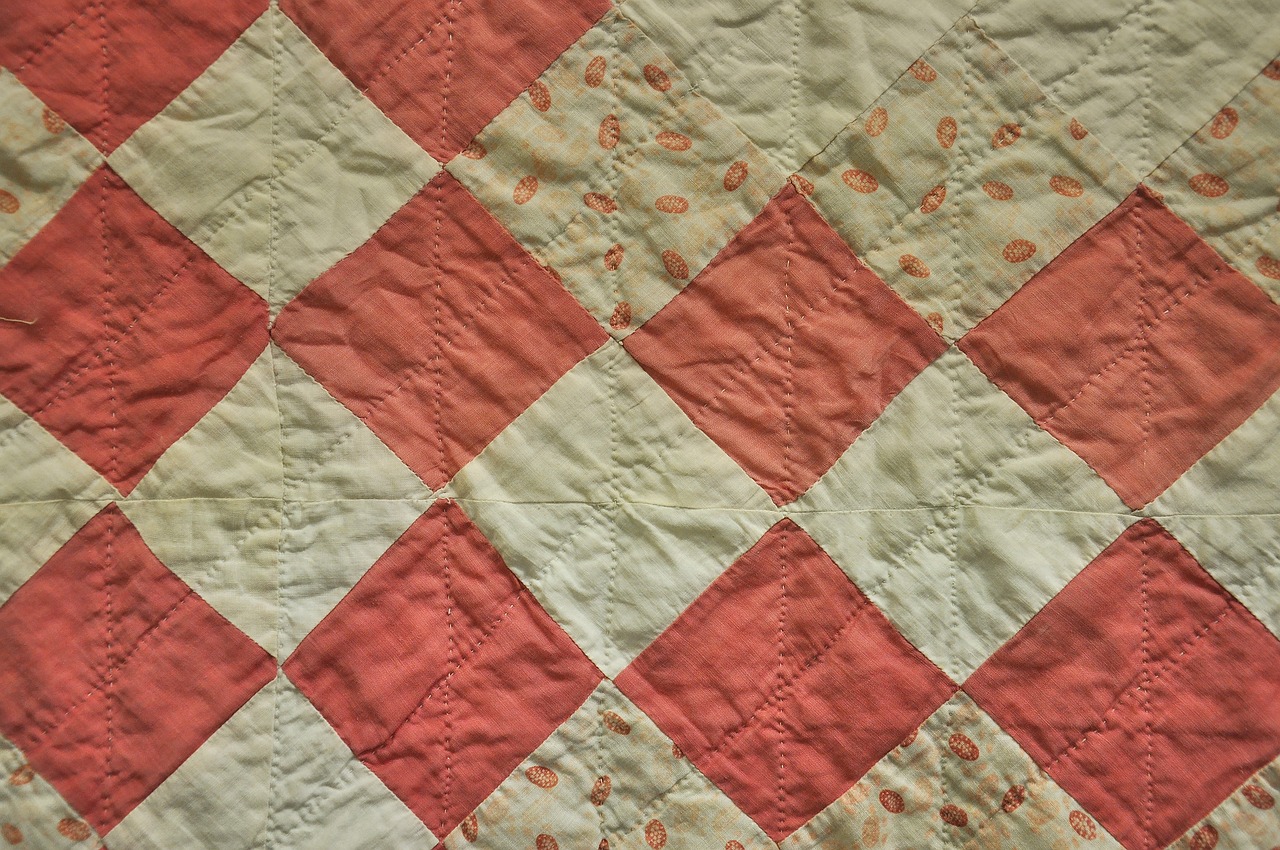
Quilting, a timeless art form, has woven its way through generations, stitching together stories, memories, and creativity into beautiful and functional masterpieces. From cozy blankets to intricate wall hangings, quilts add warmth and beauty to our lives. While quilt designing may seem like a complex endeavor, it’s a journey that can be simplified and made accessible to beginners of all ages. In this guide, we’ll explore the art of quilt designing, breaking down the process into simple steps and offering practical tips to help you embark on your quilting adventure with confidence and joy. Whether you’re drawn to the vibrant colors and patterns or the therapeutic rhythm of stitching, learning quilt designing is a journey worth undertaking, promising both creative fulfillment and practical skill-building along the way. So gather your fabric and thread, and let’s dive into the world of quilt designing together!
Understanding the Basics
Quilting is a traditional craft that involves stitching layers of fabric together to create a decorative design. It’s like making a cozy blanket by sewing together pieces of fabric. Quilts can be used for warmth, decoration, or both. They come in all shapes, sizes, and designs, from simple squares to intricate patterns.
Choosing Fabrics
Selecting fabrics is an essential part of quilt designing. You can choose from a wide variety of colors, patterns, and textures. It’s like picking out ingredients for a recipe – you want to make sure they all go together nicely. Some quilters like to use scraps of fabric leftover from other projects, while others prefer to buy new fabric specifically for their quilt.
Planning Your Design
Before you start quilting, it’s helpful to plan out your design. You can do this by drawing sketches or using quilting software. Think about the overall look you want to achieve and how you’ll arrange the fabric pieces. It’s like creating a blueprint before building a house – it helps you stay organized and focused.
Cutting the Fabric
Once you have your design planned out, it’s time to cut the fabric into pieces. You can use scissors or a rotary cutter and cutting mat for precision. It’s like cutting out shapes from paper – you want to make sure they’re all the right size and shape to fit together properly.
Arranging the Pieces
After you’ve cut out all your fabric pieces, it’s time to arrange them according to your design. You can lay them out on a flat surface like a table or the floor to see how they look together. It’s like putting together a puzzle – you want to make sure all the pieces fit together nicely before you start sewing.
Sewing It Together
Once you’re happy with how your fabric pieces are arranged, it’s time to sew them together. You can use a sewing machine or sew by hand, depending on your preference. It’s like stitching together pieces of a puzzle – you want to make sure they’re securely attached so they don’t come apart.
Adding Layers
After you’ve sewn your fabric pieces together, it’s time to add some layers to your quilt. This usually involves adding a layer of batting (soft, fluffy material) and a backing fabric to the quilt top. It’s like making a sandwich – you have the bread (quilt top), the filling (batting), and another piece of bread (backing fabric) on top.
Quilting It All Together
Now it’s time to quilt your layers together. This involves stitching through all the layers to create a decorative pattern and hold everything in place. You can do this by hand or with a sewing machine, depending on your skill level and preference. It’s like adding the finishing touches to a painting – it brings everything together and makes it complete.
Binding the Edges
Finally, it’s time to add binding to the edges of your quilt. This gives it a finished look and helps prevent the edges from fraying. You can use bias tape or fabric strips to bind the edges, sewing them in place by hand or with a sewing machine. It’s like putting a frame around a picture – it gives your quilt a polished and professional appearance.
Benefits of Learning Quilt Designing
Learning quilt designing has many benefits, both practical and personal. Creativity: Quilting allows you to express your creativity by designing unique patterns and color combinations. It’s like painting with fabric – the possibilities are endless. Relaxation: Quilting can be a relaxing and therapeutic hobby that helps reduce stress and anxiety. It’s like meditation with a needle and thread – it allows you to focus your mind and quiet your thoughts. Practical Skills: Quilting teaches practical skills like measuring, cutting, and sewing, which can be useful in other areas of life. It’s like learning to cook – you acquire skills that can be applied to different situations. Connection: Quilting also allows you to connect with others who share your passion. There are quilting groups and classes where you can learn from and socialize with fellow quilters. It’s like joining a community of like-minded individuals who support and inspire each other.
Tips for Success
Here are some tips to help you succeed in learning quilt designing: Start Small: Begin with simple projects like coasters or placemats before tackling larger quilts. It’s like learning to crawl before you walk – you want to build your skills gradually. Practice Patience: Quilting takes time and practice, so be patient with yourself as you learn. It’s like planting a garden – you have to wait for your seeds to grow before you can harvest the fruits of your labor. Learn from Mistakes: Don’t be afraid to make mistakes – they’re just opportunities to learn and improve. It’s like making a wrong turn while driving – you can always course-correct and find your way back on track. Have Fun: Most importantly, have fun! Quilting is meant to be enjoyable, so don’t stress about making everything perfect. It’s like playing a game – the goal is to have fun and enjoy the process, not just to win.
Conclusion
Learning quilt designing may seem daunting at first, but with patience and practice, it can be a rewarding and enjoyable hobby. By following the simple steps and tips outlined in this guide, you’ll be on your way to creating beautiful quilts that you can cherish for years to come. So grab your fabric and thread, unleash your creativity, and start quilting!
Top of Form