

Introduction
Traffic management has become a critical challenge in modern cities due to increasing vehicle numbers and growing urban populations. Traditional traffic systems often struggle to handle heavy traffic flow efficiently, leading to congestion and accidents. To solve this problem, cities are adopting LED traffic signal systems as a smarter and more efficient solution.
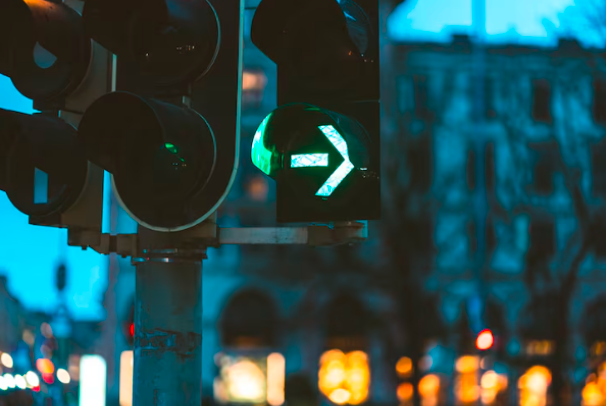
LED traffic signals use light-emitting diode technology to display traffic instructions such as stop, go, and caution. These signals are brighter, more durable, and more energy-efficient compared to conventional incandescent traffic lights. As a result, they are now widely used in highways, intersections, and smart city infrastructure.
What Is an LED Traffic Signal?
An LED traffic signal is a modern traffic control device that uses LED lights instead of traditional bulbs to communicate road instructions to drivers and pedestrians.
These signals are designed to display three main colors:
- Red (Stop)
- Yellow (Caution)
- Green (Go)
LED technology allows these signals to produce high brightness while consuming very little energy.
How LED Traffic Signals Work
LED traffic signals operate using semiconductor technology. When electricity passes through LED diodes, they emit light without generating excessive heat.
The system is usually controlled by a central traffic management unit that regulates signal timing based on traffic conditions.
Modern systems may also include:
- Sensors
- Timers
- Smart controllers
- Remote monitoring systems
This allows cities to manage traffic more efficiently.
Advantages of LED Traffic Signals
1. Energy Efficiency
One of the biggest advantages of LED traffic signals is low energy consumption. Compared to traditional bulbs, LEDs use significantly less electricity.
This helps cities reduce operational costs and energy usage over time.
2. High Visibility
LED traffic signals produce bright and clear light that remains visible even in harsh weather conditions such as rain, fog, or direct sunlight.
This improves driver awareness and reduces the risk of accidents.
3. Long Lifespan
LED lights last much longer than traditional traffic bulbs. This reduces the need for frequent replacements and maintenance work.
Long lifespan also means lower maintenance costs for municipalities.
Role in Road Safety
LED traffic signals play a major role in improving road safety. Clear and bright signals help drivers make quick and accurate decisions at intersections.
They reduce:
- Traffic accidents
- Signal confusion
- Sudden braking incidents
Pedestrians also benefit from clear visibility of crossing signals.
Use in Smart Cities
Modern smart cities rely heavily on LED traffic signal systems integrated with digital traffic management networks.
These systems can:
- Adjust signal timing automatically
- Monitor traffic flow in real time
- Reduce congestion during peak hours
- Improve emergency vehicle movement
Smart integration makes urban traffic more efficient and organized.
Comparison with Traditional Traffic Signals
| Feature | LED Traffic Signal | Traditional Signal |
| Energy Use | Low | High |
| Lifespan | Long | Short |
| Brightness | High | Moderate |
| Maintenance | Low | Frequent |
| Efficiency | High | Lower |
This clearly shows why LED systems are replacing older traffic lights worldwide.
Environmental Benefits
LED traffic signals also contribute to environmental protection. Since they consume less electricity, they help reduce carbon emissions from power generation.
They also produce less heat, making them more energy-efficient and eco-friendly.
Installation and Maintenance
Installing LED traffic signals requires proper planning and technical setup. The process includes:
- Mounting signal units
- Connecting electrical systems
- Configuring control timers
- Testing visibility and performance
Maintenance is relatively simple due to their long lifespan and durable design.
Challenges
Despite their advantages, LED traffic signals also face some challenges:
- Higher initial installation cost
- Need for technical setup in smart systems
- Dependence on proper electrical infrastructure
However, these challenges are outweighed by long-term benefits.
Future of LED Traffic Signal Technology
The future of LED traffic systems is closely linked with smart transportation development. Future improvements may include:
- AI-based traffic control
- Vehicle-to-infrastructure communication
- Adaptive signal timing systems
- Solar-powered traffic lights
These innovations will make traffic management more efficient and intelligent.
Conclusion
LED traffic signal systems have transformed modern traffic management by improving road safety, reducing energy consumption, and enhancing visibility. Their role in smart city development continues to grow as urban areas become more congested.
With ongoing technological advancements, LED traffic signals will remain a key part of safer and smarter transportation systems worldwide.