

Introduction
The demand for fast and stable internet has increased more than ever before. People now rely on internet connections for streaming, remote work, online education, cloud storage, gaming, and business operations. Traditional copper-based networks are struggling to meet these growing demands. This is where FTTH fiber optic cable technology comes in as a modern solution.
FTTH stands for Fiber to the Home. It is a communication system where fiber optic cables directly connect internet service providers to homes or businesses. This technology delivers high-speed data using light signals instead of electrical signals, making it significantly faster and more reliable than older systems.
As digital transformation continues worldwide, FTTH networks are becoming the backbone of modern internet infrastructure.
What Is FTTH Fiber Optic Cable?
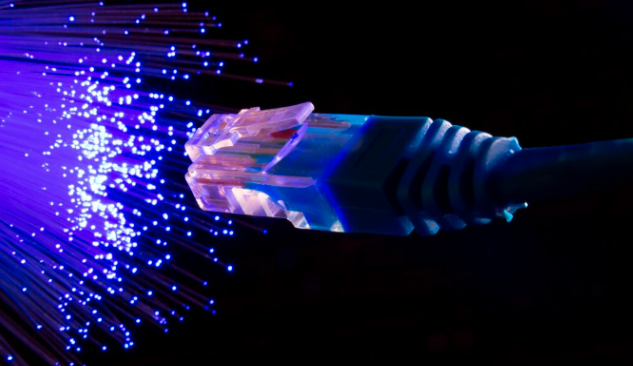
FTTH fiber optic cable is a type of cable that transmits data using light pulses through thin strands of glass or plastic fibers. These fibers are designed to carry large amounts of data over long distances with minimal signal loss.
Unlike traditional copper cables, fiber optic cables are not affected by electromagnetic interference. This makes them more stable and efficient for high-speed communication.
FTTH systems usually include:
- Optical line terminal (OLT)
- Fiber distribution network
- Optical network terminal (ONT)
- Fiber optic cables
Together, these components deliver internet directly to end users.
How FTTH Technology Works
The FTTH system works by converting electrical signals into light signals at the service provider’s end. These light signals travel through fiber optic cables to the user’s location.
At the receiving end, an ONT device converts the light signals back into digital data that devices can use.
This process allows:
- Faster data transmission
- Lower signal loss
- Higher bandwidth capacity
- More stable connections
Because light travels extremely fast through fiber, FTTH offers superior performance compared to traditional broadband systems.
Benefits of FTTH Fiber Optic Cable
1. Ultra-Fast Internet Speed
One of the biggest advantages of FTTH technology is speed. Fiber optic cables can deliver extremely high bandwidth, allowing users to download and upload data quickly.
This is especially useful for activities such as:
- 4K video streaming
- Online gaming
- Video conferencing
- Large file transfers
High-speed internet improves both personal and business productivity.
2. Reliable and Stable Connection
Unlike copper cables, fiber optic cables are not affected by weather conditions or electrical interference. This results in a more stable internet connection.
Users experience fewer interruptions, lower latency, and consistent performance even during peak usage times.
3. High Bandwidth Capacity
FTTH networks support large amounts of data transmission simultaneously. This makes them ideal for households and businesses with multiple connected devices.
Smart homes, offices, and enterprises benefit greatly from this high capacity.
FTTH in Modern Applications
Residential Use
In homes, FTTH provides seamless internet access for streaming, browsing, online education, and smart home devices. Multiple users can connect at the same time without slowing down the network.
Business Use
Businesses rely on FTTH for cloud computing, video conferencing, data backup, and online operations. A stable internet connection improves efficiency and reduces downtime.
Telecommunication Networks
Telecom companies use FTTH infrastructure to expand broadband services and improve connectivity in urban and rural areas.
Difference Between FTTH and Traditional Broadband
| Feature | FTTH Fiber Optic Cable | Traditional Copper Cable |
| Speed | Extremely high | Limited |
| Signal Loss | Very low | High |
| Stability | Very stable | Less stable |
| Interference | No interference | Affected by noise |
| Bandwidth | Very high | Limited |
This comparison clearly shows why FTTH is becoming the preferred choice worldwide.
Installation and Infrastructure
Installing FTTH fiber optic cable requires proper planning and technical expertise. The process includes:
- Laying fiber cables underground or overhead
- Connecting distribution points
- Installing user terminal devices
- Testing signal strength and performance
Although installation costs may be higher initially, long-term benefits make it a valuable investment.
Challenges of FTTH Deployment
Despite its advantages, FTTH deployment faces some challenges:
- High installation cost
- Infrastructure complexity
- Time-consuming rollout in rural areas
However, governments and telecom companies are continuously investing in fiber expansion projects to overcome these issues.
Future of FTTH Fiber Optic Cable
The future of FTTH technology is extremely promising. As global data consumption increases, fiber networks will become even more important.
Future improvements may include:
- Faster gigabit and terabit speeds
- Wider rural connectivity
- Integration with 5G networks
- Smarter network management systems
FTTH is expected to become the global standard for internet connectivity.
Conclusion
FTTH fiber optic cable has revolutionized the way people connect to the internet. With its high speed, stability, and large bandwidth capacity, it offers a clear advantage over traditional broadband systems.
From homes to businesses and telecom networks, FTTH technology is shaping the future of global communication. As demand for faster internet continues to grow, fiber optic infrastructure will remain at the center of digital transformation.