

Most people have heard the word “peptides” by now. It shows up in skincare ads, wellness podcasts, fitness content, and increasingly in conversations that have nothing to do with bodybuilding or anti-aging clinics. But for most people, the word floats by without a clear explanation attached to it. What actually is a peptide? Why is everyone suddenly talking about them? And why should someone who just wants to sleep better or feel more energized care?
These are reasonable questions, and the fact that they’re being asked more often is itself telling. Consumer curiosity around peptides has grown significantly in recent years, moving from a topic reserved for researchers and medical professionals into something everyday people are actively trying to understand. MAKE Wellness has built much of its brand around meeting people at exactly that point of curiosity and helping them make sense of what peptides actually are and what they can realistically do.
Starting From the Beginning
A peptide is simply a chain of amino acids. Amino acids are the building blocks of protein, and when they link together in short sequences, they form peptides. When those chains get longer, they become proteins. The distinction matters because the length and sequence of that chain determines what the peptide does in the body.
What makes peptides particularly interesting from a wellness standpoint is that the body produces and uses them naturally as signaling molecules. They carry instructions. They tell cells what to do, when to do it, and how much of it to do. Certain peptides signal muscles to repair after exercise. Others play a role in regulating sleep cycles, appetite, energy production, and cognitive function. In this sense, peptides aren’t foreign to the body at all. They’re part of the language the body already speaks.
The conversation in wellness has shifted toward a simple but important question: if the body relies on these signals to function well, what happens when those signals get disrupted, and is there a way to support them?
Why the Interest Has Grown
Peptide research isn’t new. Scientists have studied peptides for decades across medicine, nutrition, and biology. What has changed is the accessibility of that research and the technology available to apply it.
Advances in how researchers can identify, isolate, and study specific peptide sequences have opened up new possibilities for understanding how naturally occurring peptides, particularly those derived from plant and food sources, interact with the body’s systems. This has fueled genuine scientific interest, which has in turn fueled consumer curiosity.
At the same time, the broader wellness consumer has become more sophisticated. People are reading more, asking better questions, and looking for products backed by something more substantive than a celebrity endorsement. Peptides fit into this moment because the science behind them is real, the research is growing, and the concept itself, supporting the body’s natural communication systems rather than overriding them, resonates with how many people now prefer to think about their health.
Where MAKE Wellness Fits Into This Conversation

Photo Courtesy: MAKE Wellness
MAKE Wellness entered this space with a specific point of view. The company focuses exclusively on what it calls Bioactive Precision Peptides, naturally derived peptide compounds sourced from nature rather than synthetic or pharmaceutical sources. This distinction matters to the brand and to the consumers it’s trying to reach.
The company’s Chief Science Officer Mark Bartlett has framed the philosophy this way: the body doesn’t always need more. It needs the right message. That framing captures something important about how MAKE Wellness approaches supplementation. The goal isn’t to flood the body with compounds and hope something works. It’s to identify specific naturally occurring peptides that support specific biological functions and deliver them in a form the body can actually use.
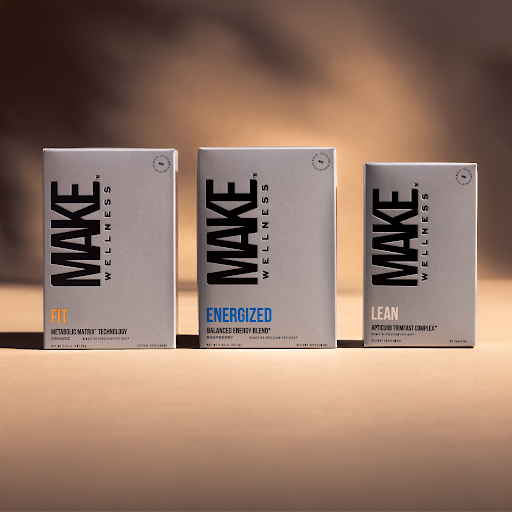
Each product in the MAKE Wellness lineup reflects this thinking. FIT is built around peptides sourced from fava bean that are designed to support muscle recovery and physical resilience. FOCUSED incorporates peptides from Ginkgo biloba to support cognitive health and memory. RESTORED uses PeptiSleep, a peptide compound derived from rice bran, to support sleep quality through pathways that don’t rely on melatonin. LEAN combines peptide-based ingredients with other natural compounds to support metabolic health and body composition.
The specificity is intentional. Rather than creating a broad formula and calling it a peptide product, MAKE Wellness builds each product around a defined wellness goal and selects peptide ingredients accordingly.
Making the Science Accessible
One of the genuine challenges with peptide education is that the science can get complicated quickly. Mechanism of action, receptor binding, bioavailability, these are real concepts that matter, but they’re not the right starting point for someone who simply wants to understand why a product might help them sleep better.
MAKE Wellness has invested in making this education more approachable through its MAKE Wellness Hub, community content, and the guidance provided through its affiliate network. The company’s model is built around personal connection, with affiliates who understand the products well enough to explain them in plain language to friends, family, and communities. That human layer of education is something a website or label can’t fully replicate.
Founder Justin Prince has spoken about wellness being a decision, a choice to take health seriously rather than wait for problems to appear. That philosophy runs through how MAKE Wellness approaches education as much as how it approaches product development. Understanding what you’re taking and why isn’t just good practice. According to the brand, it’s part of what makes the products work as intended, because consistency follows understanding.
A Conversation That’s Just Getting Started
Peptides are not a passing trend. The research interest is substantial, the consumer curiosity is genuine, and the technology available to study and apply naturally derived peptides continues to improve. What’s happening now is closer to the beginning of a long conversation than the peak of a short one.
For everyday consumers trying to make sense of it, the most useful place to start is probably the simplest framing: peptides are signals the body already knows how to use. Supporting those signals with clean, naturally derived compounds is a fundamentally different approach to wellness than adding stimulants, artificial ingredients, or compounds the body has to work hard to process.
That’s the idea MAKE Wellness is building around, and it’s an idea that more people are finding worth paying attention to.