

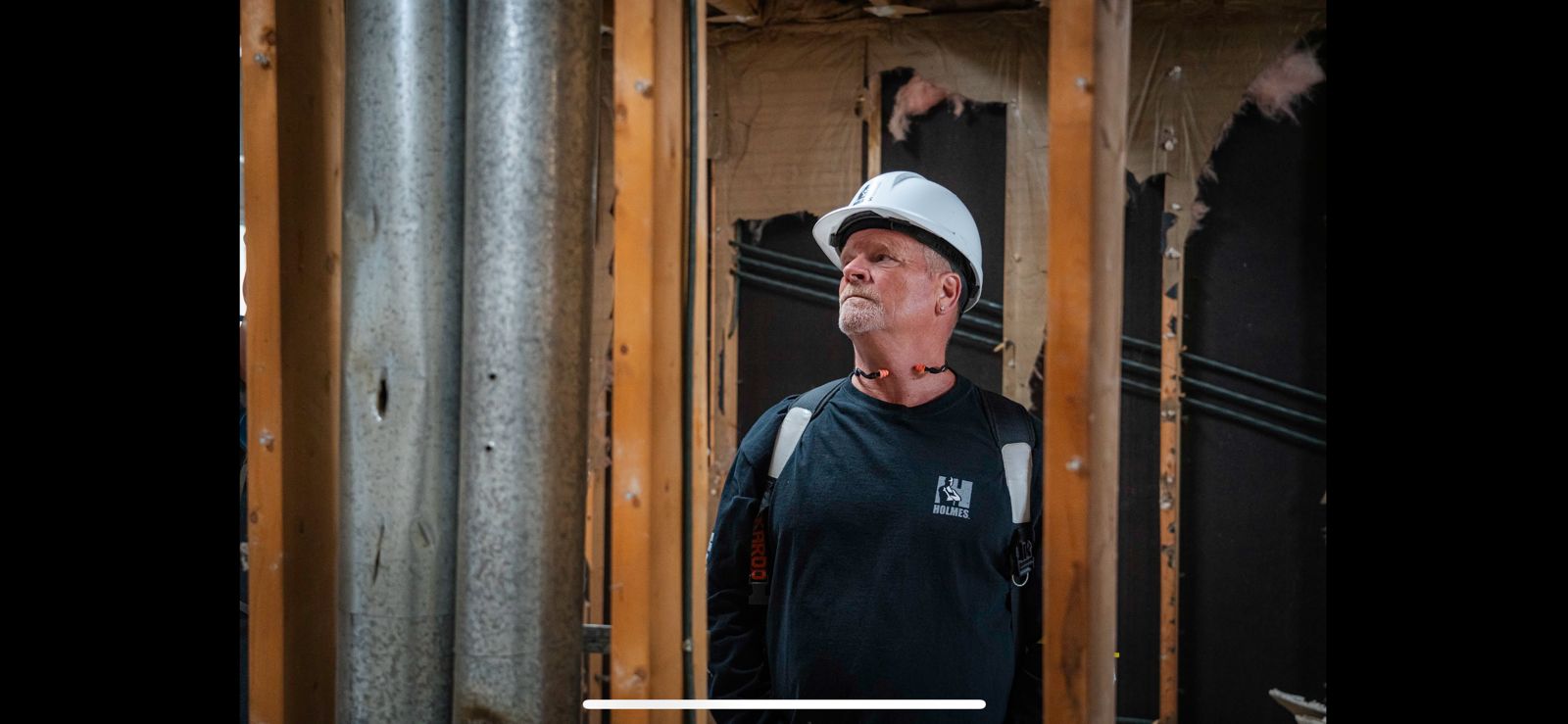
Mike Holmes is known for talking about foundations — the kind that keep houses standing straight. But in one of his most unexpected Holmes on Homes Podcast episodes, he shifts from concrete and framing to something more personal: health. Joined by Dr. Mike and Dr. Vic, Holmes explores how blending traditional medicine (MD) with natural medicine (ND) can help people build stronger, more balanced lives. You can listen to the full episode here.
Holmes starts with a familiar comparison. Just like a house, the human body needs maintenance, inspection, and care from the inside out. The doctors agree — the real foundation of health lies in the gut. They call it the body’s “command center,” affecting digestion, energy, immunity, even mood. If that system falters, everything above it starts to weaken. Holmes likes clear, actionable advice, so he presses them for the basics: what can people actually do to fix it? Their answer is simple — feed your body what it truly needs, not just what’s easy to grab.
From there, the conversation moves into a bigger question: why should traditional and natural medicine be seen as rivals at all? Dr. Vic points out that they serve the same goal from different angles. Modern medicine brings diagnostics, science, and emergency care. Natural medicine focuses on prevention, nutrition, and long-term balance. When the two work together, patients get the best of both worlds — data and intuition, structure and flexibility. Holmes nods. “Sounds like building a hybrid structure,” he says. “Strong frame, but still breathing with the environment.”
Dr. Mike explains how that collaboration works in practice — hydration therapy, personalized vitamin programs, and lifestyle adjustments tailored to each patient’s needs. It’s not about chasing quick fixes; it’s about building resilience over time. Holmes connects it to construction again: “You don’t patch a crack and call it done. You find the stress point and fix it right.”
That line becomes the through-thread of the episode — getting to the root cause instead of masking symptoms. The doctors stress that most people wait until they’re unwell to pay attention, but real wellness happens in the small daily choices long before anything goes wrong. Holmes pushes the idea further: if we maintain our homes seasonally, why not maintain our bodies the same way?
Then the topic turns to toxins — something Holmes knows too well from decades on job sites. Chemicals in materials, poor ventilation, and contaminated dust all add up. The doctors confirm that environmental toxins can disrupt hormones, stress the immune system, and accelerate aging. It’s a reminder that health isn’t just about diet or exercise; it’s also about the spaces we live in. Holmes adds that safe building and safe living are two sides of the same coin.
Dr. Vic breaks down practical steps for detoxing both environment and body: use cleaner products, drink filtered water, get sunlight, sweat regularly. None of it’s extreme, but all of it’s consistent. The goal isn’t perfection — it’s progress. Holmes seems struck by how much this mirrors his own philosophy in construction. “It’s all about systems working together,” he says. “If one part fails, the whole structure’s at risk.”
What makes the episode stand out is how personal it feels. Holmes isn’t interviewing from a distance; he’s exploring his own curiosity. He talks about how demanding work in construction can drain energy and focus, and how most people ignore early signs of burnout. The doctors respond that burnout is the body’s version of foundation cracks — early warnings that something below the surface needs reinforcement.
Together, they paint a picture of health that’s more practical than preachy. Instead of choosing between medicine and nature, they talk about integration. You go to your doctor for diagnostics and screenings, but you also learn how to eat, sleep, and move in ways that support your body’s natural systems. One doesn’t cancel out the other; they complete each other.
Holmes ends the discussion on a grounded note: balance. Just like in homebuilding, balance determines longevity. A structure that’s rigid will crack under pressure, but one that flexes with change can last generations. The same applies to health. Dr. Mike calls it “adaptive wellness” — building habits that hold up through life’s shifting demands. Holmes agrees. “The best renovations start with a strong plan,” he says, “and the same goes for your body.”
The episode is a refreshing reminder that wellness doesn’t come from extremes but from cooperation — between disciplines, between experts, and between you and your own body. It’s about taking responsibility instead of waiting for a crisis. And it lands with that trademark Holmes practicality: you maintain your home to protect your investment; you maintain your health to protect your life.
Hear the full conversation — including simple, real-world advice on gut health, detoxing, and aging well — on Spotify here. It’s one of those talks that quietly resets how you think about taking care of yourself — not as a project to complete, but as a structure to keep strong.