

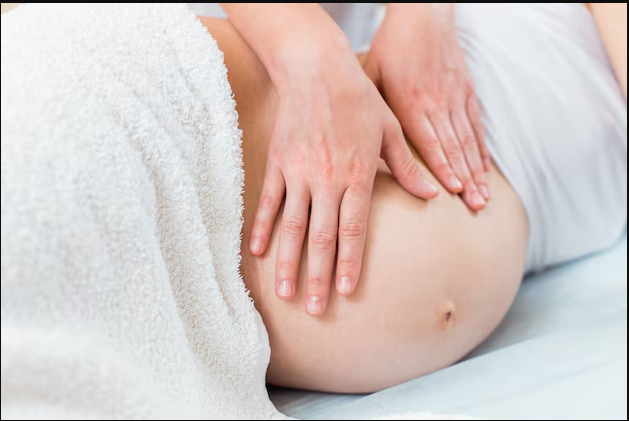
Nobody warns you about the real stuff like various places that will ache when you’re pregnant. Sure, everyone mentions morning sickness and cravings. But the constant backache? The way your hips feel like they’re falling apart? That’s the reality nobody really prepares you for during the process of motherhood.
Prenatal massage isn’t just some luxury spa treatment. It’s becoming a necessity for women who refuse to spend nine months in misery. Though honestly, finding good information about it can be frustrating.
Your Body’s Working Overtime
Think about what’s happening inside your body right now. It is literally carrying another human being while you’re trying to function normally. The weight distribution changes almost weekly. Your posture shifts because there’s this growing person pushing against your ribs.
The statistics are pretty eye-opening when you look at them:
- About 7 out of 10 pregnant women deal with serious back pain
- Your pelvis loosens up thanks to pregnancy hormones
- Blood volume increases by nearly 50 percent
- Your center of gravity moves forward about 2-3 inches
All of this creates tension in places you didn’t even know existed. Last week, you could bend over to pick up something. This week? Good luck with that.
Why Regular Solutions Don’t Cut It
You’ve probably tried the usual suspects already. Pregnancy pillows that cost a fortune but only help for an hour. Hot baths that feel amazing until you try to get out. Stretching routines that work until the next growth spurt hits.
The problem is that these are band-aid solutions. Your body needs something more comprehensive. Something that actually addresses the root cause instead of just masking symptoms for a few hours.
Research from massage therapy studies shows some interesting results. Women getting regular prenatal massage sessions reported sleeping better within just two weeks. Their pain levels dropped significantly compared to women just doing stretches or using heat pads.
But here’s what really caught my attention – the stress hormone levels. Cortisol dropped by measurable amounts in women receiving massage therapy. That’s not just feeling better emotionally. That’s an actual biochemical change happening in your body.
What Actually Happens During Prenatal Massage
Let me be clear about something – this isn’t your typical massage experience. You can’t just walk into any spa and expect them to know what they’re doing with pregnant clients.
Proper prenatal massage requires specific training. The therapist needs to understand pregnancy anatomy. They know which positions work at different stages. More importantly, they know what to avoid completely.
Side-lying positions become standard after about 14 weeks. Face-down positioning stops being comfortable or safe. Special bolsters support your belly and back. The whole setup looks different from a regular massage.
The techniques change too. Deep tissue work gets modified significantly. Certain pressure points on your feet and hands are completely off-limits. The therapist focuses on circulation improvement rather than deep muscle manipulation.
This might sound limiting, but the results speak for themselves. Women consistently report immediate relief from sessions. The benefits often last several days, especially with regular appointments.
Safety Questions Everyone Asks
Every pregnant woman worries about safety. That’s normal and smart. You should question anything new you’re considering during pregnancy.
Most reputable massage therapists require medical clearance before your first session. This isn’t just covering their liability – it’s genuinely about your safety. Your doctor knows your specific risk factors better than anyone.
Certain conditions make massage inadvisable:
- History of blood clots
- Severe morning sickness with dehydration
- High-risk pregnancy designation
- Certain placental complications
For normal pregnancies, the safety record is excellent. Professional prenatal massage therapists undergo extensive training specifically for pregnant clients. They understand anatomy changes and modification requirements.
The timing question comes up frequently, too. Most practitioners prefer waiting until the second trimester. This gives your body time to adjust to pregnancy changes and reduces any first-trimester concerns.
The Relief Factor
Here’s what women don’t expect – how much better they actually feel afterward, not just during the massage, but for days following.
Your sleep improves almost immediately. When your back isn’t screaming and your hips aren’t locked up, rest comes easier. Better sleep means more energy during the day. It’s like a positive cycle that builds on itself.
The swelling reduction surprises most people. Your wedding ring might fit again after a session focusing on circulation improvement. Feet that looked like footballs start resembling actual human appendages.
But perhaps the biggest change is emotional. Pregnancy can make you feel disconnected from your own body. Professional, therapeutic touch helps restore that connection. You start appreciating what your body is accomplishing instead of just fighting the discomfort.
Making the Decision
Pregnancy discomfort doesn’t have to be accepted as inevitable suffering. Your body deserves support as it performs the remarkable work of creating life. Prenatal massage offers support that is safe and effective.
The relief is real, measurable, and lasting. Women who commit to regular sessions consistently report significant improvements in comfort levels, sleep quality, and overall pregnancy experience.
This isn’t about luxury or pampering, though those elements certainly don’t hurt. It’s about giving your body the therapeutic support it needs during one of the most physically demanding experiences of your life.
Your comfort matters. Your well-being affects your baby’s development. Taking care of yourself isn’t selfish – it’s responsible prenatal care that benefits everyone involved.