

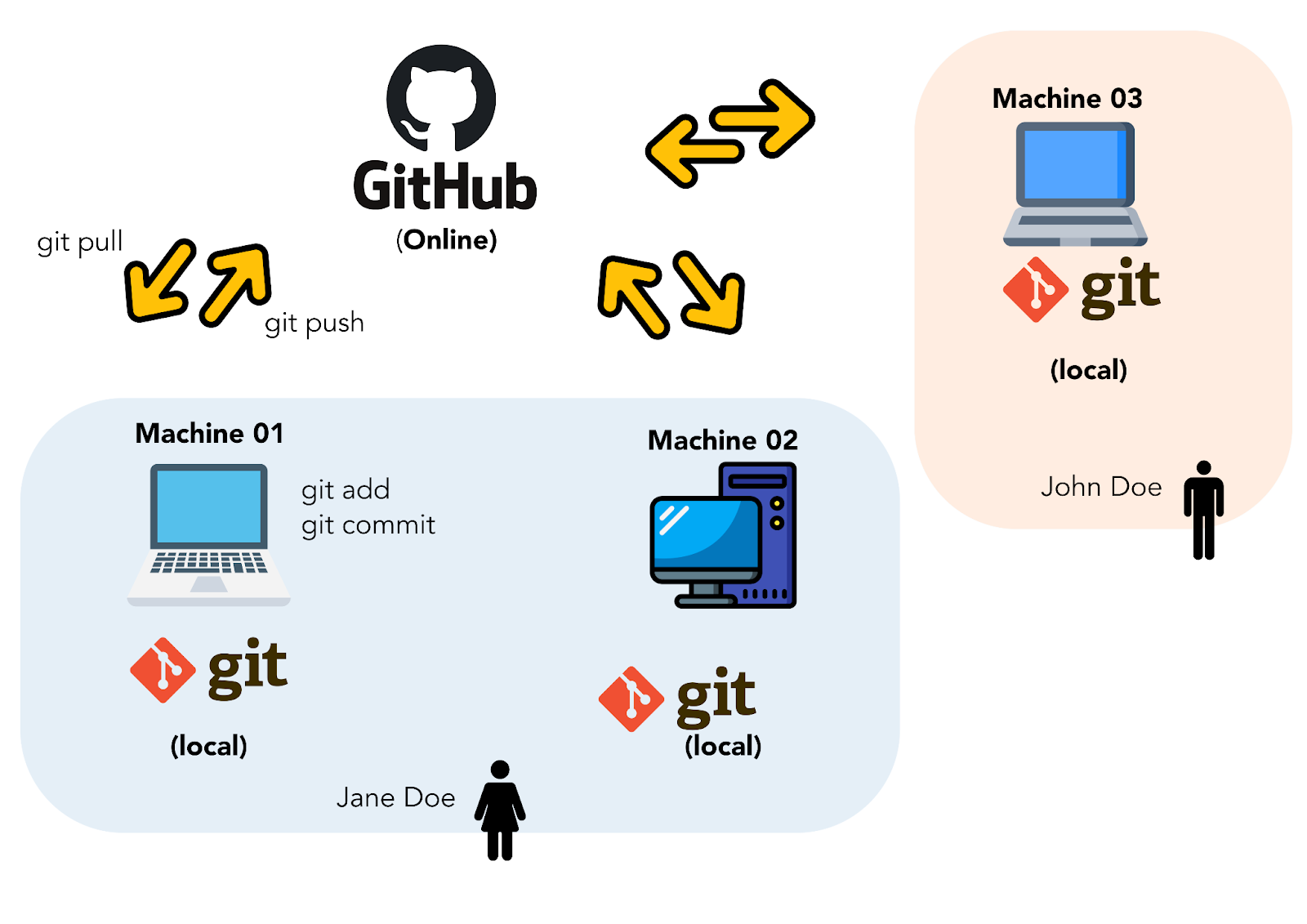
Niche Digital Platforms are special online places where folks with particular hobbies meet up, talk, and become friends. Big social sites try getting everybody to join them, but these smaller spots focus on certain groups who want something specific. Maybe you knit sweaters, write computer code, watch stocks go up and down, or run marathons—chances are good somebody built a website just for your thing.
Getting to know Niche Digital Platforms puts you in touch with crowds that get what you’re into. These spots got popular ’cause people got sick of huge platforms where nobody saw their posts among millions of others. Smaller, focused sites let your words count more, friendships feel real, and everything stays about what actually matters to you.
Today’s internet holds thousands of special-interest websites serving different crowds. Architects have their professional spots, book fans have reading clubs, gamers have their own hangouts—niche platforms give you experiences the giants can’t touch. This piece looks at what makes these websites cool, shows you niche digital platforms examples, and breaks down the niche platforms’ meaning for today’s online world. Learning about focused spaces helps you make better friends and have more fun online with simpciyu.
What Are Niche Digital Platforms? Understanding the Meaning
Niche platforms meaning talks about websites built for certain hobby groups or work communities. The word niche’s meaning comes from carving out your own little corner in a bigger world. Rather than wanting everyone everywhere, these sites zero in on particular folks with matching interests or job needs.
What makes niche platforms tick:
- They help certain groups with focused hobbies
- Features get made for what those users actually do
- Smaller crowds mean closer friendships
- Everything posted matters to that topic
- Shared goals make tighter communities
Picture Facebook or Instagram with billions of users worldwide. Now think about websites made just for people who train dogs, fix old cars, or play indie music. These focused spots really understand their crowds and build stuff for exactly what they need.
Niche platforms examples show that tons of different specialties exist. Behance helps creative workers show off their art. Goodreads brings together book nerds talking about novels. Strava gets athletes tracking runs and racing their buddies. Each carved its spot in the bigger digital picture.
What makes niche platforms work comes from staying focused. Members bump into others who speak their language, face the same problems, and get excited about identical stuff. Talks stay on target. Features are designed for particular activities. Groups bond for real through shared loves instead of random following.
According to insights on niche social platforms, these special spots usually build way more active crowds than general websites. Folks jump in harder when everybody around them digs the same things. This targeted energy makes niche social media platforms gold for both members and people making content.
Top Niche Digital Platforms Examples Across Different Industries
Niche digital platforms examples cover a crazy amount of work fields and hobbies. Each helps unique crowds with custom-made features matching what they actually do and want. Checking out these examples helps spot patterns that make special websites succeed.
Job and Career Sites:
LinkedIn – Though big now, it stays niche versus regular social media by only doing professional networking. Links job hunters, hiring folks, and business people.
AngelList – Serves the startup world, linking founders, money people, and those wanting startup jobs. Features built exactly for the startup crowd’s requirements.
Dribbble – Shows design work, letting designers post projects, hear feedback, and land jobs inside creative circles.
GitHub – Stores code files where programmers team up on projects, swap solutions, and build work reputations through what they contribute.
Creative and Art Sites:
DeviantArt – Digital art crowd where artists post work, join crews, and sell prints. Built for visual artists with special posting and gallery stuff.
SoundCloud – Musicians upload tracks, link with fans, and find new artists. Made specifically for music sharing and finding songs.
Wattpad – Writers publish stories bit by bit, readers comment on plots, and both sides interact around storytelling love.
Hobby and Interest Sites:
Strava – Athletes track runs and bike trips, compete on segment boards, and share wins. Features designed just for fitness tracking.
Goodreads – Book lovers track reading, write reviews, join reading contests, and discuss novels with other readers everywhere.
Ravelry – Knitters and crochet folks share patterns, show off projects, and connect with yarn craft fans. Millions of members focused only on fiber arts.
Smart Knowledge Sites:
Stack Overflow – Programmers ask tech questions and give answers. The reputation system rewards helpful stuff inside the developer crowd.
ResearchGate – Academic researchers share papers, talk findings, and work together across science subjects.
These top niche digital platforms made it by really knowing their crowds and building features serving exact needs. They prove that staying focused beats trying to make everyone happy.
Best Niche Digital Platforms for Building Communities
Best niche digital platforms rock at community building through understanding what makes special groups click online. These sites care more about real connections than giant user numbers.
Community-Focused Platform Examples:
Discord – Started for gamers, now serves countless groups with voice channels, text chats, and customizable servers. Crews organize around particular games, topics, or interests.
Mighty Networks – Let creators build branded communities with courses, events, and membership deals. Designed just for community entrepreneurs.
Circle – Community platform for creators, teachers, and brands wanting organized spots for members. Features include talks, courses, and event hosting.
Reddit – Though broad overall, works through thousands of subreddits, acting like individual niche platforms. Each subreddit serves specific interests with dedicated moderators.
What makes this list of niche digital platforms work for communities? Several things add up to success:
Sharp focus and purpose – Members know exactly what the site offers and who fits there. This clarity pulls the right people while filtering those wanting different stuff.
Custom features – Tools match what the community does. Fitness groups need workout tracking. Creative crowds need portfolio displays. Professional circles need networking tools.
Rules and vibe – Strong community guidelines keep things positive. Members feel safe jumping in when sites enforce respectful interaction standards.
Easy finding stuff – Good search, tags, and suggestions help members locate relevant talks fast. Nobody likes scrolling through junk to find useful content.
According to the analysis of which niche social media platform fits your brand, winning depends on matching website traits with what your crowd likes. Picking the wrong sites wastes work, no matter how good your content is.
Platforms like Simpcitu show how special communities create worth through focused experiences. Members get exactly what they’re after without junk from unrelated stuff flooding their screens.
Niche Social Media Platforms Changing Digital Marketing
Niche social media platforms flipped niche digital marketing upside down by offering targeted crowd access. Marketing people now reach specific groups without burning money on folks who don’t care.
Why marketing folks love niche platforms:
Exact targeting – Advertising on sites serving specific interests means every buck reaches potentially interested buyers. No money wasted on people outside your target zone.
Better engagement numbers – Special platform users interact more actively with stuff matching their interests. Posts get more comments, shares, and real interactions than on general platforms.
Less competition – Fewer brands fight for attention on niche platforms versus mainstream social media. Your message pops instead of drowning in chaos.
Real connections – Special communities value genuine joining over hard selling. Brands adding valuable stuff build trust and loyalty way better.
Niche Digital Marketing Moves:
Content shaped for community – Generic marketing bombs on special platforms. Winning brands create stuff addressing specific community interests and struggles.
Active jumping in – Just posting ads gets ignored. Brands gotta engage for real, answer questions, and add to talks like regular community members.
Influencer teams – Finding respected community members for partnerships works better than celebrity pushes. Community trusts members with proven smarts.
Value-first way – Educational content, helpful tips, and genuine solutions build credibility. Sales happen naturally after establishing worth and trust.
Examples of Winning Niche Marketing:
A fitness gear brand wins on Strava by sponsoring challenges and giving workout tips rather than just pushing products. Musicians build followings on SoundCloud through steady releases and engaging with fan comments. Design agencies showcase portfolios on Dribbble while joining design talks.
Niche digital products also find perfect homes on special platforms. Software tools for photographers get promoted on photography sites. Cooking gadgets reach food lovers on culinary networks. This targeted way converts better than wide campaigns.
The evolution of digital lifestyle trends shows how special platforms increasingly shape buying choices. People trust recommendations from community members sharing their interests over generic ads.
Niche Digital Brands Building Success on Specialized Platforms
Niche digital brands crush it by setting up shop on websites matching their target crowds. These brands get that finding customers where they already hang out proves way better than trying to pull them elsewhere.
Winning Brand Moves:
Platform picking – Smart brands research where ideal customers spend time. Outdoor gear companies focus on hiking and adventure sites. Tech startups concentrate on developer communities.
Steady presence – Regular posting, replying to comments, and joining talks keep brands visible. Spotty activity gets ignored while consistency builds recognition.
Community giving – Brands adding worth through helpful content earn respect. Tutorial videos, industry insights, and problem-solving posts position brands as valuable community members.
Real voice – Corporate speak bombs on niche social media platforms. Winning brands communicate naturally, showing personality while staying professional.
Real Examples:
Mailchimp built a reputation on design and developer platforms before becoming a mainstream hit. They shared email marketing insights, design tips, and technical guides, helping communities solve problems. This generosity built trust,t turning into customer loyalty.
Patagonia actively joins outdoor and environmental platforms, aligning brand values with community passions. They share conservation stories, outdoor adventures, and sustainability tips beyond just selling clothes.
Buffer grew through consistent presence on marketing and social media professional platforms. They openly shared social media strategies, analytics insights, and industry research, helping marketers improve results.
Building Niche Digital Products:
Creating niche digital products requires deep crowd understanding. Winning products solve specific problems communities face. Photography editing presets serve photographers. Marketing templates help small business owners. Cooking apps provide specialized recipe collections.
These products win because they tackle real needs within focused communities. Generic solutions rarely satisfy specialized requirements as well as purpose-built options designed for particular crowds.
How to Choose the Right Niche Platform for Your Needs
Picking appropriate niche platforms depends on goals, interests, and desired community type. Different sites serve different purposes, so matching website traits with needs ensures better experiences.
Questions to ask when choosing platforms:
What are your goals? – Career networking needs different sites than hobby sharing. Professional goals point toward LinkedIn or industry-specific networks. Creative pursuits fit artistic platforms. Fitness goals match athletic communities.
Who do you want to connect with? – Identify your ideal connections. Fellow professionals? People sharing hobbies? Potential customers? Site choice depends on where those folks already gather.
What features matter most? – Some sites emphasize visual content. Others focus on discussions. Still others prioritize real-time interactions. Pick sites offering tools matching your content style.
How much time can you put in? – Building presence needs consistent joining. Select platforms you can engage with regularly rather than spreading thin across many spots.
Platform Research Steps:
Check out before committing – Browse sites as a visitor before making accounts. Watch community vibe, content types, and interaction styles. Make sure they match your preferences.
Review activity levels – Active communities show recent posts and regular responses. Dead platforms waste effort regardless of perfect feature sets.
Look at moderation rules – Strong moderation creates positive places. Check how sites handle bad behavior and whether guidelines align with your values.
Test with small effort – Start with one or two sites. Build a steady presence there before expanding. Quality joining on a few sites beats spotty activity across many.
According to insights on digital PR without borders, focused site strategies deliver better results than scattered approaches. Putting efforts where they matter most maximizes impact.
The Future of Niche Digital Platforms
Niche Digital Platforms keep evolving as tech advances and people seek more meaningful online friendships. Several trends shape how special sites develop moving forward.
Coming Trends:
More specialization – Sites will serve increasingly specific crowds. Instead of “fitness platform,” we’ll see sites specifically for marathon runners, weightlifters, or yoga practitioners separately.
Better discovery tools – Finding the right niche sites gets easier as discovery tools improve. Recommendation systems will match people with ideal communities based on interests and behaviors.
Integration features – Special sites will link with other tools seamlessly. Calendar apps, payment processors, and content tools will integrate smoothly within niche environments.
Privacy focus – Users increasingly value privacy and data control. Winning niche platforms will prioritize user privacy over ad money, building trust through transparent data practices.
AI personalization – Artificial intelligence will customize experiences within niche sites. Members see content matching specific interests even within specialized communities.
Cross-platform compatibility – While keeping focused purposes, sites will allow easier content sharing and identity carrying. Your reputation in one community will transfer to related spots.
Challenges Ahead:
Staying alive – Smaller user bases mean niche platforms must find ways to stay open. Subscription fees, premium features, and careful ads balance keeping sites running.
Competition – Winning attracts competitors. Established sites must keep innovating, staying relevant as newcomers challenge their spots.
Community management – Keeping healthy communities needs ongoing moderation work. Sites must scale moderation ways as communities grow without losing personal touch.
Technology costs – Running sites needs infrastructure investment. Niche operators must balance feature development with budget limits.
Despite challenges, the future looks bright for niche social media platforms. People crave meaningful connections and focused experiences that special sites give better than massive general networks.
Benefits of Using Niche Platforms Over Mainstream Social Media
Niche platforms offer clear wins over mainstream social media for users wanting focused experiences and genuine connections.
Key Benefits:
Relevant content – Every post relates to your interests. No scrolling through vacation photos, political fights, or random updates aandhunting for relevant stuff.
Quality connections – Meeting folks sharing specific interests creates stronger relationships than random following on mainstream sites. Shared passions give natural conversation starters.
Less noise – Smaller communities mean less overwhelming content volume. You actually see posts from folks you follow without algorithms hiding them among promoted junk.
Special features – Tools designed for specific activities work better than generic features. Athletic sites track workouts. Creative sites showcase portfolios properly. Professional sites helpwith networking effectively.
Better engagement – Posts get meaningful responses from folks understanding context. Comments add worth rather than generic reactions or arguments.
Reduced distraction – Focused sites keep you engaged with purposeful content instead of endless scrolling through entertainment designed to maximize screen time.
Privacy wins – Many niche digital platforms collect less personal data than mainstream giants. Smaller operations often prioritize user privacy over aggressive ad targeting.
Community support – Special groups give help when needed. Whether troubleshooting tech problems, seeking advice, or celebrating wins, community members genuinely care.
Professional chances – Industry-specific sites connect you with career opportunities, collaborators, and mentors within your field more effectively than general networks.
These benefits explain why folks increasingly split attention between mainstream sites and niche social media platforms. General networks keep connections with broad social circles while special sites serve specific interests and professional needs.
Creating Your Own Niche Digital Platform
Building winning Niche Digital Platforms needs careful planning, understanding target crowds, and commitment to community development.
Steps for Creating Niche Platforms:
Spot underserved communities – Research groups lacking dedicated sites. Look for passionate communities currently using general sites that inadequately meet their needs.
Validate demand – Before building, confirm folks want a special site. Survey potential users, join existing communities, and assess pain points with current solutions.
Define core features – Figure out essential functionality serving community needs. What tools do members need? What features make joining easy and valuable?
Build a minimum viable platform – Start with basic features supporting core activities. Launch quickly, gather feedback, and improve based on actual usage rather than guesses.
Establish community guidelines – Create clear rules promoting positive interactions. Define acceptable behavior, content standards, and consequences for violations upfront.
Seed initial content – Empty sites attract nobody. Create initial content, invite early members, and help discussions build momentum before wider launch.
Moderate actively – Especially early on, active moderation keeps quality and vibe. Respond quickly to issues before they blow up or drive members away.
Listen and iterate – Collect member feedback regularly. Add requested features, fix problems promptly, and continuously improve the site based on community input.
Critical Success Factors:
Genuine community focus – Build for community benefit rather than quick profits. Sites prioritizing user experience over money-making earn loyalty.
Sustainable business model – Identify revenue sources supporting operations without messing up user experience. Options include subscriptions, premium features, or careful ads.
Scalable infrastructure – Tech foundation must handle growth. Poor performance or frequent crashes kill sites regardless of community enthusiasm.
Patient growth – Building thriving communities takes time. Focus on quality over quantity, nurturing engaged members rather than chasing user count vanity metrics.
Many winning top niche digital platforms started small, serving tight-knit communities before expanding. Reddit began as a single community. Discord started with gamers. Both grew by staying focused while scaling carefully.
Conclusion
Niche Digital Platforms revolutionized how folks connect online by offering focused alternatives to mainstream social media. These special spots serve specific communities with tailored features, relevant content, and meaningful interactions impossible on general sites. Understanding niche pplatforms”meaning helps you appreciate how focused communities create worth through shared interests and purposes.
The niche digital platforms examples covered show ian ncredible variety across industries, hobbies, and professional fields. From creative networks like DeviantArt to professional spaces like LinkedIn, from hobby communities like Strava to knowledge sites like Stack Overflow, special platforms serve countless focused crowds. The best niche digital platforms win by deeply understanding their communities and building features addressing specific needs.
For niche digital marketing and niche digital brands, special platforms offer targeted crowd access with higher engagement than mainstream alternatives. Niche social media platforms let marketers reach interested audiences precisely while building authentic relationships within relevant communities. The future promises even greater specialization as tech improves and people seek more meaningful digital experiences.
Whether joining existing niche platforms or creating new special communities, focused approaches deliver better results than scattered efforts across general sites. The list of niche digital platforms keeps growing as entrepreneurs spot underserved communities and build spaces meeting their unique requirements. These special environments represent the future of online community, connection, and engagement.
Which niche digital platform best serves your specific interests or professional needs, and how has focused community participation changed your online experience compared to mainstream social media?
References
- Design Sensory. (2024). Niche Social Platforms: Insights and Analysis. Retrieved from https://designsensory.com/insights/niche-social-platforms/
- Alpha Dog Advertising. (2024). Which Niche Social Media Platform Is Right for Your Brand?. Retrieved from https://alphadogadv.com/insights/which-niche-social-media-platform-is-right-for-your-brand/
- Simpcitu. (2026). Digital Community and Niche Platform Insights. Retrieved from https://simpcitu.com/
- The Inscriber Magazine. (2026). Digital PR Without Borders: The Art of Making Headlines Land on Every Shore. Retrieved from https://theinscribermag.com/digital-pr-without-borders-the-art-of-making-headlines-land-on-every-shore/
- The Inscriber Magazine. (2026). The Evolution of Digital Lifestyle Trends. Retrieved from https://theinscribermag.com/the-evolution-of-digital-lifestyle-trends-why-pandawa88-is-at-the-center-of-modern-engagement