

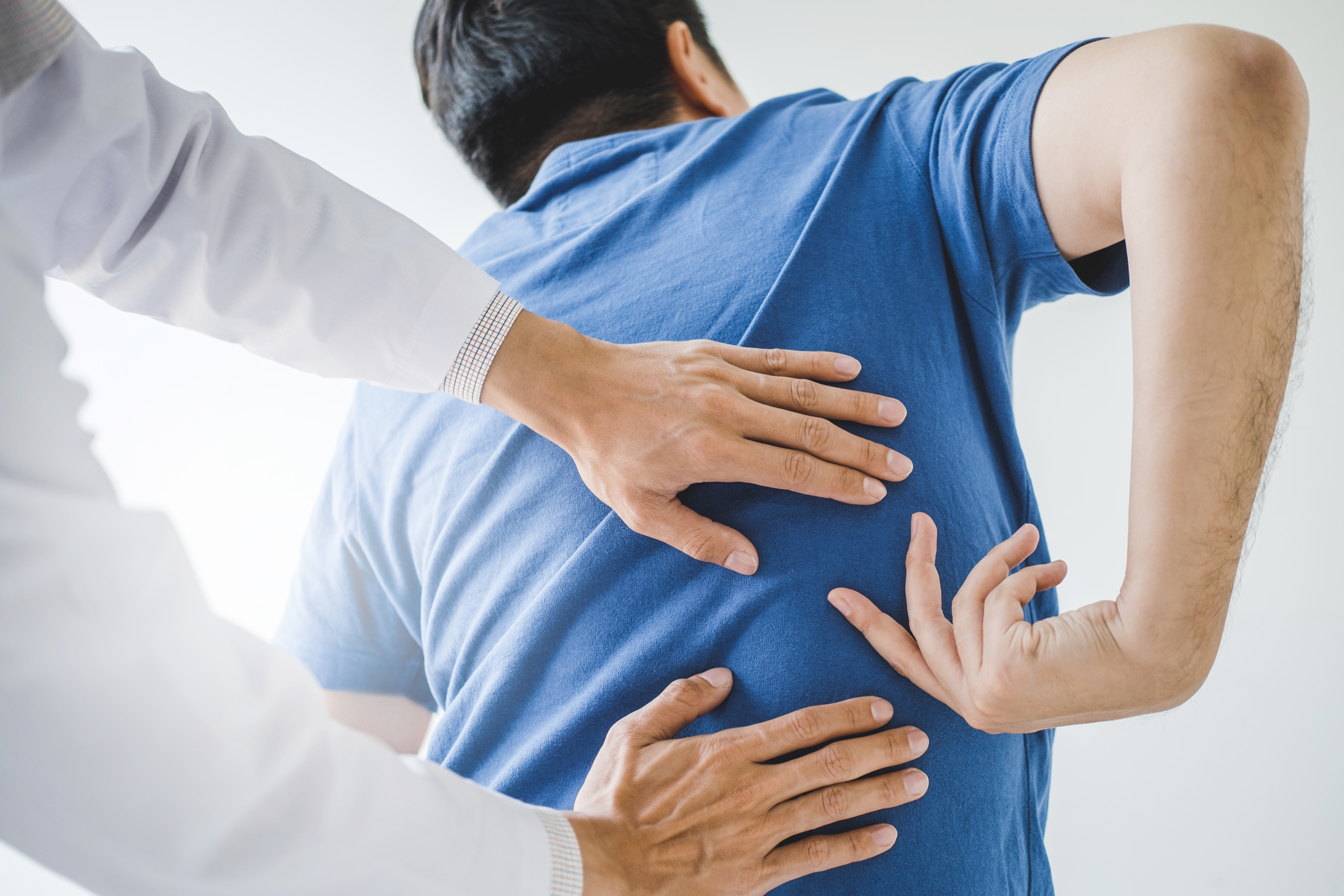
Spine conditions affect millions of people worldwide and can significantly alter daily life by limiting movement, reducing comfort, and interfering with work and rest. While surgery is sometimes necessary, many spinal problems can be managed effectively through non-surgical approaches. These treatments aim to reduce pain, restore function, and support long-term spinal health without the physical demands of an operation.
Non-surgical spine care focuses on understanding the source of discomfort and addressing it through conservative methods. These approaches are often used as first-line strategies, especially when symptoms are moderate or developing gradually. By targeting inflammation, muscle imbalance, nerve irritation, and mechanical stress, non-surgical treatments provide a pathway toward relief that respects the body’s natural capacity for healing.
The Role of Physical Therapy in Spine Care
Physical therapy is one of the most widely used non-surgical treatments for spine conditions because it directly addresses movement and muscular support. The spine depends on surrounding muscles for stability, posture, and controlled motion. When these muscles weaken or tighten unevenly, strain is placed on vertebrae and discs, leading to persistent discomfort.
Therapeutic exercises are designed to strengthen core and back muscles while improving flexibility in areas that restrict normal motion. Over time, this balance reduces abnormal stress on spinal structures, a principle emphasized by specialists at inspired spine. In addition to exercise, physical therapy often includes manual techniques that improve joint mobility and reduce muscle tension. The gradual, structured nature of therapy helps patients regain confidence in movement while promoting healthier spinal mechanics.
Medication as a Supportive Treatment
Medications play a supportive role in non-surgical spine care by managing inflammation and altering pain perception. Anti-inflammatory drugs can reduce swelling around irritated nerves or joints, which in turn decreases pressure and discomfort. Pain relievers may be used to help individuals stay active while other treatments address the underlying issue.
Muscle relaxants are sometimes prescribed when spasms contribute to stiffness and pain. These medications reduce involuntary muscle contractions that can develop in response to injury or prolonged tension. While medication does not correct structural changes in the spine, it can create a more manageable environment for healing by allowing individuals to move more freely and participate in rehabilitation efforts.
Spinal Injections and Targeted Relief
Spinal injections are another non-surgical option used to manage pain and inflammation in specific areas of the spine. These injections typically deliver anti-inflammatory medication directly to the region where nerves are irritated or compressed. Because the medication is placed close to the source of pain, it can provide more focused relief than oral medication alone.
Injections may be used to calm inflammation around nerve roots or within joints that contribute to discomfort. Their effects vary from person to person, but they often provide temporary improvement that allows for increased participation in physical therapy or daily activities. In this way, injections can serve as part of a broader treatment plan rather than as a standalone solution.
Chiropractic and Manual Therapy Approaches
Manual therapy approaches, including chiropractic care, focus on restoring alignment and improving joint mobility within the spine. These techniques rely on controlled movements to address stiffness and mechanical restrictions that limit natural motion. When joints move more freely, surrounding muscles tend to relax, and nerve irritation may decrease.
This form of care emphasizes the relationship between spinal structure and nervous system function. Adjustments and mobilization techniques are intended to improve how the spine responds to everyday forces such as standing, sitting, and walking. Over time, improved movement patterns can reduce recurring strain and help prevent further aggravation of existing conditions.
Lifestyle Modification and Activity Management
Spine health is closely linked to daily habits and movement patterns. Lifestyle modification plays a crucial role in non-surgical treatment because it addresses the ongoing stresses that contribute to pain. Prolonged sitting, poor posture, and repetitive motions can all intensify symptoms over time. Adjusting how these activities are performed can significantly influence spinal comfort.
Activity management focuses on identifying movements or positions that increase strain and finding ways to perform them more efficiently. This may involve changes in work setup, sleeping posture, or how objects are lifted and carried. By reducing repeated mechanical stress, lifestyle adjustments help create a supportive environment for healing and reduce the likelihood of chronic irritation.
Psychological and Behavioral Influences on Pain
Chronic spine pain is not shaped solely by physical changes. Psychological factors such as stress, anxiety, and fear of movement can intensify symptoms and prolong discomfort. When pain becomes persistent, the nervous system may become more sensitive to signals from the affected area. This heightened sensitivity can make even mild irritation feel severe.
Behavioral strategies aim to reshape how pain is experienced and managed. Education about the nature of spinal conditions helps reduce fear and uncertainty, which can otherwise lead to guarded movement and muscle tension. Relaxation techniques and structured activity planning encourage gradual return to normal function while preventing cycles of avoidance and stiffness that reinforce pain.
Alternative and Complementary Therapies
Alternative and complementary therapies are sometimes incorporated into non-surgical spine care to address pain from different angles. These approaches may include acupuncture, massage therapy, and certain body-based practices that promote circulation and muscle relaxation. While their mechanisms differ from conventional treatments, they share the goal of reducing discomfort and supporting overall well-being.
Massage therapy, for example, targets soft tissues that contribute to stiffness and soreness. By improving blood flow and reducing tension, it can help ease the muscular component of spinal pain. Acupuncture focuses on stimulating specific points in the body to influence pain pathways. When used alongside medical and rehabilitative care, these methods may enhance comfort and improve tolerance for movement-based therapies.
Long-Term Management and Monitoring
Non-surgical treatment is often part of a long-term strategy rather than a short-term fix. Spine conditions frequently develop over time, and their management requires ongoing attention to posture, movement, and general health. Regular monitoring allows adjustments to be made as symptoms change or new challenges arise.
Long-term management emphasizes maintaining strength and flexibility while avoiding patterns that increase strain. Periodic reassessment helps determine whether symptoms are stable, improving, or worsening. This approach recognizes that spine care is not static; it evolves with age, activity level, and overall health. By viewing treatment as a continuous process, individuals can adapt their routines to protect spinal function over the years.
Conclusion
Non-surgical treatments for spine conditions focus on relieving pain and restoring function through conservative methods that respect the body’s natural structure. Physical therapy, medication, injections, manual care, lifestyle adjustments, and psychological strategies each address different aspects of spinal discomfort. Together, they form a comprehensive approach that targets both the mechanical and neurological components of pain.
Although these treatments do not eliminate every structural change within the spine, they often provide meaningful improvement in comfort and mobility. By emphasizing gradual recovery and ongoing management, non-surgical care supports long-term spinal health without the demands of surgery. This balanced approach reflects a broader understanding of spine conditions as complex, multifaceted challenges rather than isolated injuries.