

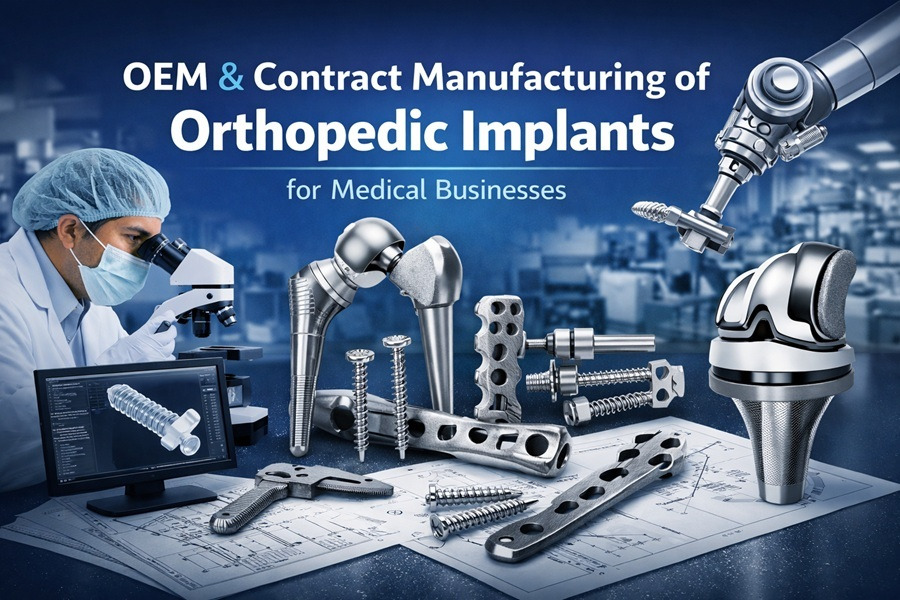
The global demand for high-quality orthopedic implants has grown rapidly in recent years, driven by an aging population, increasing sports injuries, and advancements in surgical techniques. For many medical device companies, building an in-house manufacturing setup can be costly and time-consuming. This is where OEM (Original Equipment Manufacturer) and contract manufacturing come into play.
Instead of investing heavily in infrastructure, businesses can partner with experienced manufacturers to produce implants under their brand name. This approach not only reduces operational costs but also allows companies to focus on innovation, marketing, and distribution.
In this guide, we’ll break down everything you need to know about OEM and contract manufacturing in the orthopedic industry from how it works to how to choose the right partner.
What is OEM Contract Manufacturing?
OEM contract manufacturing refers to a business model where one company (the manufacturer) produces orthopedic implants or medical devices, and another company sells those products under its own brand name.
In simple terms, the manufacturer handles production, while the client company focuses on branding and sales.
There are two key concepts here:
- OEM (Original Equipment Manufacturer): The manufacturer produces products that are branded and sold by another company.
- Contract Manufacturing: A company outsources the production process to a third-party manufacturer.
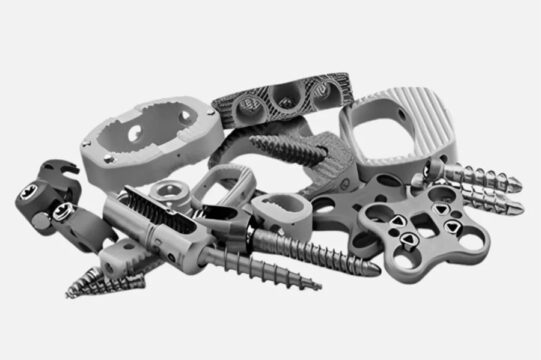
In the orthopedic implant industry, this includes products like:
- Trauma plates and screws
- Spine implants
- Arthroscopy devices
- External fixators
- Prosthesis systems
This model is widely used by startups, distributors, and even established brands looking to expand their product range without setting up their own production units.
Types of OEM & Contract Manufacturing
There are several models within OEM and contract manufacturing, depending on business needs:
- Full-Service Manufacturing: The manufacturer handles everything from design and prototyping to production and packaging.
- Private Label Manufacturing: Products are manufactured as standard items but sold under the client’s brand name.
- Custom Manufacturing: Products are designed and produced according to specific client requirements.
- Component Manufacturing: Only certain parts or components are produced and then assembled elsewhere.
Benefits of OEM & Contract Manufacturing
- Cost Efficiency: Setting up a manufacturing facility for orthopedic implants requires significant investment in machinery, certifications, and skilled labor. Outsourcing eliminates these upfront costs.
- Faster Time to Market: Experienced manufacturers already have established processes, which means your products can reach the market much faster.
- Access to Expertise: Contract manufacturers often have years of experience and specialized knowledge in medical-grade production.
- Scalability: As your business grows, you can easily scale production without worrying about infrastructure.
- Focus on Core Business: You can focus on branding, sales, and customer relationships while the manufacturer handles production.
Industries Served
OEM and contract manufacturing of orthopedic implants cater to a wide range of industries within healthcare and beyond.
- Hospitals and Healthcare Providers: Hospitals rely on high-quality implants for surgeries, including trauma, spine, and joint replacement procedures.
- Medical Device Companies: Companies that design and market medical products often outsource manufacturing to reduce costs and improve efficiency.
- Distributors and Wholesalers: Distributors use OEM services to create private-label products and build their own brand in the market.
- Veterinary Healthcare: Orthopedic implants are also used in veterinary medicine for treating fractures and joint issues in animals.
- Research and Development Firms: R&D companies collaborate with manufacturers to develop innovative implant solutions.
Selecting the Right Model for Your Business
Choosing the right manufacturing model depends on your business goals, budget, and market strategy.
- Startups and Small Businesses: If you are just starting, private label or full-service manufacturing is ideal. It allows you to enter the market quickly without heavy investment.
- Growing Companies: Custom manufacturing is a better option if you want to differentiate your products and build a unique brand identity.
- Established Brands: Large companies often use a mix of in-house and contract manufacturing to optimize costs and maintain quality.
- Budget Considerations: If your budget is limited, outsourcing production can significantly reduce expenses while maintaining quality standards.
- Market Demand: Understanding your target market helps in choosing the right model. For example, high-demand products may require scalable manufacturing solutions.
How to Choose the Right Manufacturing Partner
Selecting the right OEM or contract manufacturer is one of the most critical decisions for your business.
- Certifications and Compliance: Ensure the manufacturer follows international standards such as ISO certifications and complies with medical regulations.
- Quality Assurance: Look for manufacturers with strict quality control processes to ensure product safety and reliability.
- Experience and Expertise: Choose a partner with proven experience in orthopedic implant manufacturing.
- Customization Capabilities: If you need unique products, ensure the manufacturer can handle custom designs and specifications.
- Production Capacity: Make sure the manufacturer can meet your current and future production needs.
- Communication and Support: Clear communication and strong support are essential for a successful partnership.
- Pricing and Transparency: Compare pricing but also consider the value offered. Transparent pricing helps avoid hidden costs.
Future Trends in Orthopedic Manufacturing
The orthopedic implant industry is evolving with new technologies and innovations.
- 3D Printing: Enables customized implants tailored to individual patients
- Advanced Materials: Use of biocompatible and durable materials
- Automation: Improves precision and reduces manufacturing errors
- Global Expansion: Increasing demand in emerging markets
These trends are making OEM and contract manufacturing even more important for businesses looking to stay competitive.
Conclusion
OEM and contract manufacturing of orthopedic implants offer a smart and efficient way for businesses to grow without heavy investment in production infrastructure. Whether you are a startup, distributor, or established brand, this model provides flexibility, scalability, and access to industry expertise.
By understanding the different types, benefits, and selection criteria, you can make informed decisions and build strong partnerships that drive long-term success.
Choosing the right manufacturing partner is not just about cost it’s about quality, reliability, and trust. With the right approach, OEM and contract manufacturing can become a powerful tool for expanding your business in the global healthcare market.