

Introduction
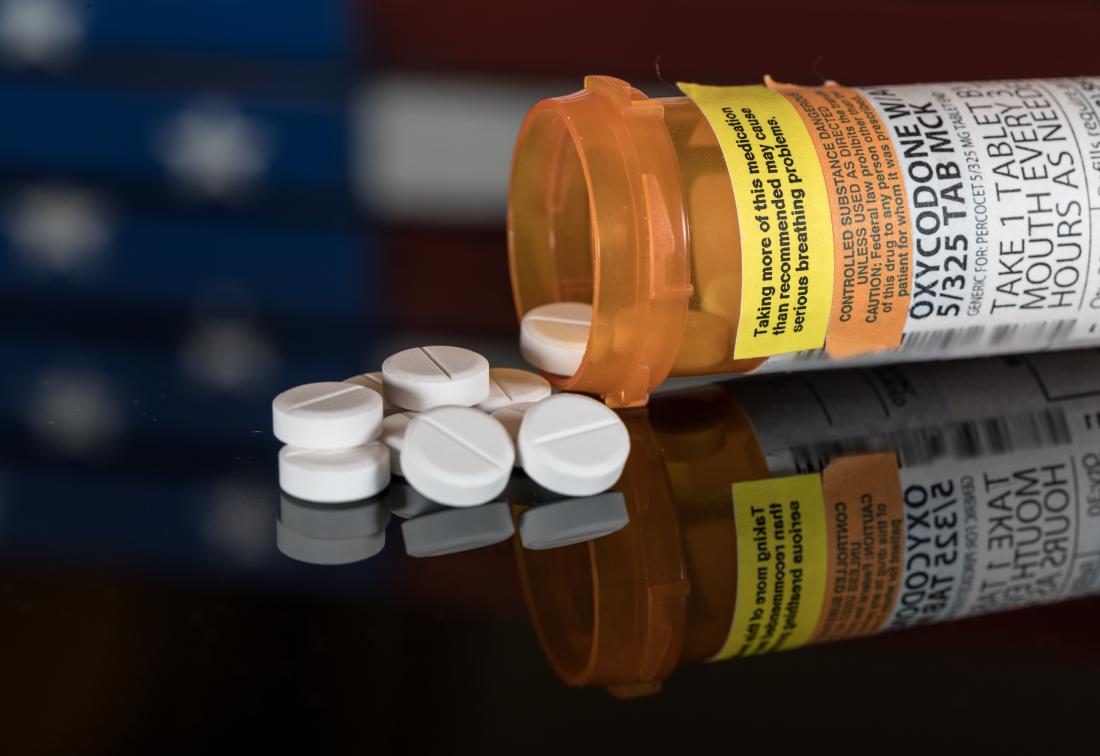
Oxycodone is a strong prescription pain medicine that helps treat moderate to severe pain. Doctors often prescribe it after surgery, serious injuries, or for long-term pain caused by certain medical conditions. While oxycodone can provide effective pain relief, it also comes with important risks. Taking it the wrong way can lead to addiction, overdose, or other serious health problems.
This complete 2026 safety guide explains how oxycodone works, its common uses, recommended dosage, possible side effects, and important safety tips. You will also learn about Usi e dosaggio dell’ossicodone and Come assumere l’ossicodone in sicurezza, helping you understand how this medicine should be used responsibly.
What Is Oxycodone?
Oxycodone is an opioid pain medication. Opioids work by changing how the brain and nervous system respond to pain signals. Instead of removing the source of pain, oxycodone reduces the feeling of pain, making daily activities easier for many patients.
Oxycodone is available only with a prescription in many countries because of its high risk of misuse and dependence. It comes in immediate-release tablets, extended-release tablets, capsules, and oral solutions.
Oxycodone Uses
Doctors prescribe oxycodone for several medical conditions where other pain medicines do not provide enough relief.
Common uses include:
- Pain after major surgery
- Serious injuries or fractures
- Cancer-related pain
- Chronic pain conditions
- Severe back pain
- Pain caused by nerve damage
- End-of-life comfort care
Oxycodone should only be used when prescribed by a qualified healthcare professional. It is generally not recommended for mild pain that can be controlled with safer medications.
Usi e dosaggio dell’ossicodone
The phrase Usi e dosaggio dell’ossicodone means “Uses and dosage of oxycodone.”
The correct dosage depends on several factors, including:
- Age
- Weight
- Medical condition
- Pain severity
- Previous opioid use
- Kidney and liver health
Doctors usually begin treatment with the lowest effective dose and adjust it only if necessary.
Typical dosage guidelines include:
Immediate-Release Oxycodone
Immediate-release forms usually provide pain relief within one hour and last about four to six hours.
Typical starting doses may range from 5 mg to 15 mg every 4 to 6 hours as prescribed.
Extended-Release Oxycodone
Extended-release tablets are designed for people with ongoing severe pain.
These tablets are usually taken every 12 hours and should never be crushed, chewed, or broken because doing so may release a dangerous amount of medicine at once.
Always follow your doctor’s instructions instead of changing your dose on your own.
How Oxycodone Works
Oxycodone attaches to opioid receptors found in the brain and spinal cord. These receptors help control how pain signals travel through the body.
After taking oxycodone, many people notice:
- Reduced pain
- Increased comfort
- Better ability to rest
- Improved movement in some cases
However, oxycodone can also affect breathing and alertness, which is why proper medical supervision is essential.
How to Take Oxycodone Safely
Come assumere l’ossicodone in sicurezza means “How to take oxycodone safely.”
Follow these safety guidelines:
- Take the medicine exactly as prescribed.
- Never increase your dose without medical advice.
- Swallow extended-release tablets whole.
- Avoid alcohol while taking oxycodone.
- Do not mix it with sleeping pills unless approved by your doctor.
- Store the medicine in a secure place away from children.
- Never share your prescription with anyone else.
These simple steps greatly reduce the risk of serious complications.
Common Side Effects of Oxycodone
Like all medicines, oxycodone may cause side effects. Many are mild and improve as your body adjusts.
Common side effects include:
- Sleepiness
- Dizziness
- Constipation
- Dry mouth
- Nausea
- Vomiting
- Headache
- Sweating
- Mild itching
Drinking enough water, eating fiber-rich foods, and staying active may help reduce constipation.
If side effects become severe or continue for several days, contact your healthcare provider.
Serious Side Effects
Some side effects require immediate medical attention.
These include:
- Slow or difficult breathing
- Severe allergic reactions
- Extreme confusion
- Loss of consciousness
- Blue lips or fingertips
- Seizures
- Very slow heartbeat
These symptoms may indicate an overdose or another medical emergency.
Who Should Avoid Oxycodone?
Oxycodone may not be suitable for everyone.
Tell your doctor if you have:
- Severe asthma
- Breathing disorders
- Liver disease
- Kidney disease
- History of drug addiction
- Alcohol dependence
- Head injuries
- Pregnancy
- Breastfeeding
Your healthcare provider can decide whether another pain treatment is safer.
Drug Interactions
Oxycodone can interact with many medications.
Examples include:
- Sleeping medications
- Anxiety medicines
- Muscle relaxants
- Alcohol
- Other opioid painkillers
- Certain antidepressants
- Some antifungal medicines
- Certain antibiotics
Combining these medicines without medical supervision can increase the risk of dangerous breathing problems.
Always tell your healthcare provider about every medicine, vitamin, or herbal supplement you take.
Can Oxycodone Be Addictive?
Yes.
Oxycodone has a high potential for dependence and addiction, especially when taken for long periods or in higher doses than prescribed.
Signs of dependence may include:
- Feeling unable to stop taking it
- Craving the medication
- Taking larger amounts than prescribed
- Experiencing withdrawal symptoms when stopping
Dependence is different from addiction, but both require medical attention.
Withdrawal Symptoms
Stopping oxycodone suddenly may cause withdrawal symptoms.
Common symptoms include:
- Muscle pain
- Sweating
- Anxiety
- Restlessness
- Runny nose
- Stomach cramps
- Nausea
- Diarrhea
- Trouble sleeping
Doctors usually recommend reducing the dose gradually instead of stopping suddenly.
Oxycodone Overdose Warning
An overdose can be life-threatening.
Warning signs include:
- Very slow breathing
- Pinpoint pupils
- Unresponsiveness
- Cold skin
- Weak pulse
- Blue lips
- Loss of consciousness
Emergency medical help should be sought immediately if an overdose is suspected.
Safe Storage and Disposal
Proper storage protects others from accidental poisoning.
Store oxycodone:
- In its original container
- At room temperature
- Away from sunlight
- Away from moisture
- Out of reach of children
- Locked if possible
Dispose of unused medication according to local pharmacy or healthcare recommendations. Never leave leftover opioid medicines where others can access them.
Frequently Asked Questions
Can I drive while taking oxycodone?
Avoid driving or operating heavy machinery until you know how the medicine affects you.
Can I drink alcohol?
No. Alcohol increases the risk of severe breathing problems and overdose.
Can oxycodone be taken with food?
Yes. Taking it with food may reduce stomach upset for some people.
What happens if I miss a dose?
Take the missed dose as instructed by your healthcare provider. Do not take two doses together unless specifically advised.
Tips for Safe Long-Term Use
If oxycodone is prescribed for long-term pain, follow these best practices:
- Attend regular medical checkups.
- Use the lowest effective dose.
- Report new side effects quickly.
- Never stop treatment without medical guidance.
- Keep all follow-up appointments.
- Review your treatment plan regularly with your healthcare provider.
Responsible use helps reduce risks while improving pain management.
Conclusion
Oxycodone is a powerful prescription medicine that can provide effective relief for moderate to severe pain when used correctly. Understanding its uses, proper dosage, possible side effects, and safety precautions is essential for reducing the risks of dependence, overdose, and other serious complications.
Learning about Usi e dosaggio dell’ossicodone helps patients understand the importance of taking the correct dose, while knowing Come assumere l’ossicodone in sicurezza encourages safe daily use. Always follow your healthcare provider’s instructions, avoid sharing your medication, and seek medical advice if you experience unusual side effects or have concerns about your treatment. Responsible use remains the best way to gain the benefits of oxycodone while protecting your health.