

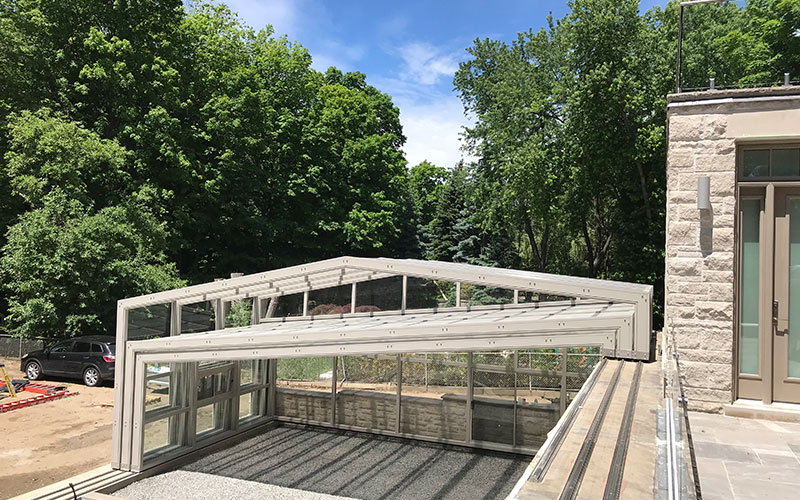
A pool enclosure is one of the smartest ways to enhance your backyard pool, extending your swim season, reducing maintenance, and adding property value. But before starting a project, it’s essential to understand what affects pricing. Pool enclosure cost is not one-size-fits-all it depends on a variety of factors including design, materials, size, and site conditions. In this guide, we’ll explore the key elements that influence pool enclosure cost and what you should consider when planning your project.

What Impacts Pool Enclosure Cost?
When it comes to pool enclosures, no two projects are exactly alike and neither are their costs. Here are the primary factors that influence your total investment:
Size of the Enclosure
Naturally, the larger the enclosure, the higher the cost, more materials, more structural support, more labor required. Enclosing a small plunge pool versus a full-length lap pool involves dramatically different project scopes.
Type of Enclosure
The style of enclosure you choose plays a significant role in cost:
- Screen enclosures are typically more budget-friendly and provide basic protection from debris and insects.
- Fixed aluminum and polycarbonate enclosures offer superior weather protection and insulation for year-round use.
- Retractable enclosures provide the ultimate flexibility; they can be opened on nice days and closed for full protection when needed.
- Glass luxury enclosures are a premium option for those seeking the highest level of design and performance.
At Covers in Play , most of our projects typically range from around $30 to $110 per square foot, depending on the enclosure type and features selected.
Materials Used
Material selection has a major impact on both the aesthetics and performance of your enclosure and of course, its cost. Some key materials include:
- Polycarbonate panels: durable, impact-resistant, UV protected, and excellent for insulation.
- Tempered glass: provides a high-end look and excellent clarity but is heavier and requires more structural support.
- Aluminum framing: the industry standard for strength, corrosion resistance, and design versatility.
- Screen mesh: budget-friendly, ideal for insect control but limited in insulation.
Higher-quality materials will increase upfront investment but often result in lower maintenance costs and a longer-lasting enclosure.
Design Complexity
A simple, functional rectangular enclosure will generally cost less than a custom design with curves, varying heights, advanced automation, or architectural features. At Covers in Play we can design enclosures ranging from clean and modern to visually striking architectural centerpieces and each level of complexity influences final cost.
Site Preparation
Some properties require more preparation than others:
- Does the site need to be leveled?
- Is foundation work required?
- Are there landscaping considerations?
- How accessible is the installation area?
Site complexity and preparation needs can add significantly to total project cost.
Local Building Codes and Permits
Depending on your location, building codes may require enclosures to meet specific snow load, wind resistance, or other structural standards. Engineering for extreme climates (heavy snow or high wind zones) can add to both material requirements and construction costs.
Permit fees also vary greatly by region and should be factored into your total budget.
Typical Pool Enclosure Cost Range
While pool enclosure cost varies based on the factors above, as a very general guideline, most residential pool enclosures from premium vendors (like Covers in Play ) typically range between $30 and $110 per square foot with more basic screen enclosures falling at the lower end and custom retractable or luxury glass enclosures at the higher end.
Again, this is simply a range to help with rough planning. The only way to know your exact project cost is to request a customized quote based on your pool, site, and desired features.
Why You Should Focus on Value Not Just Price
When evaluating pool enclosure options, it’s tempting to focus purely on upfront cost but long-term value is what really matters:
- Durability: Will the materials and structure hold up for 20+ years with minimal maintenance?
- Energy efficiency: Will the enclosure help retain pool heat and reduce your operating costs?
- Flexibility: Can you enjoy open-air swimming when the weather is nice, but also close it off during cooler months?
- Aesthetics: Does the enclosure complement your home and outdoor space?
- Ease of use: Are automation and user-friendly design features included?
At coversinplay.com, we focus on delivering premium enclosures that provide lasting value not just the lowest initial price. Investing in a quality enclosure can save thousands of dollars over its lifespan through reduced maintenance, lower energy use, and extended usability.

How to Approach Your Pool Enclosure Project
If you’re considering adding a pool enclosure, here’s the best way to approach your planning:
- Define your goals: Year-round swimming? Maintenance reduction? Visual appeal?
- Set a budget range: But be flexible; higher quality often delivers better ROI over time.
- Evaluate vendors carefully:Look for companies with a proven track record, engineering expertise, and high-quality materials.
- Get a custom quote: Every pool and property is unique. Only a personalized quote can give you an accurate cost estimate.
- Think long-term: Balance upfront costs against durability, usability, and energy savings.
Conclusion
Ultimately, pool enclosure cost depends on far more than just square footage it’s shaped by your design choices, materials, site conditions, and goals. By understanding the factors that influence pricing, you can make informed decisions and invest wisely.
If you’re ready to explore your options, Covers in Play is here to help. We specialize in creating beautifully engineered enclosures that deliver premium value and unmatched performance. Reach out today for a personalized consultation. Your ideal pool space is waiting.